Knysna as a Garden Route Stop
Knysna is the Garden Route's lagoon town, with the Heads viewpoint and a big oyster festival, but it is not automatically the best base.
- Flag
-

- ISO code
- ZA
- Population
- 77,000
- Currency
- ZAR
- Timezone
- Africa/Johannesburg
Knysna as a Garden Route Stop
The Lagoon That Defines The Town
At 07:30 on a summer morning, the lagoon is glass. By 09:00, the South-Easter has ripped that surface into whitecaps and a family on Thesen Island is wrestling a gazebo that wants to fly to Plettenberg Bay. That is Knysna in a single frame: a place that sells you a postcard and then blows it out of your hand. It is the only Garden Route town built around a tidal lagoon, and that lagoon is both its reason to stop and its problem.
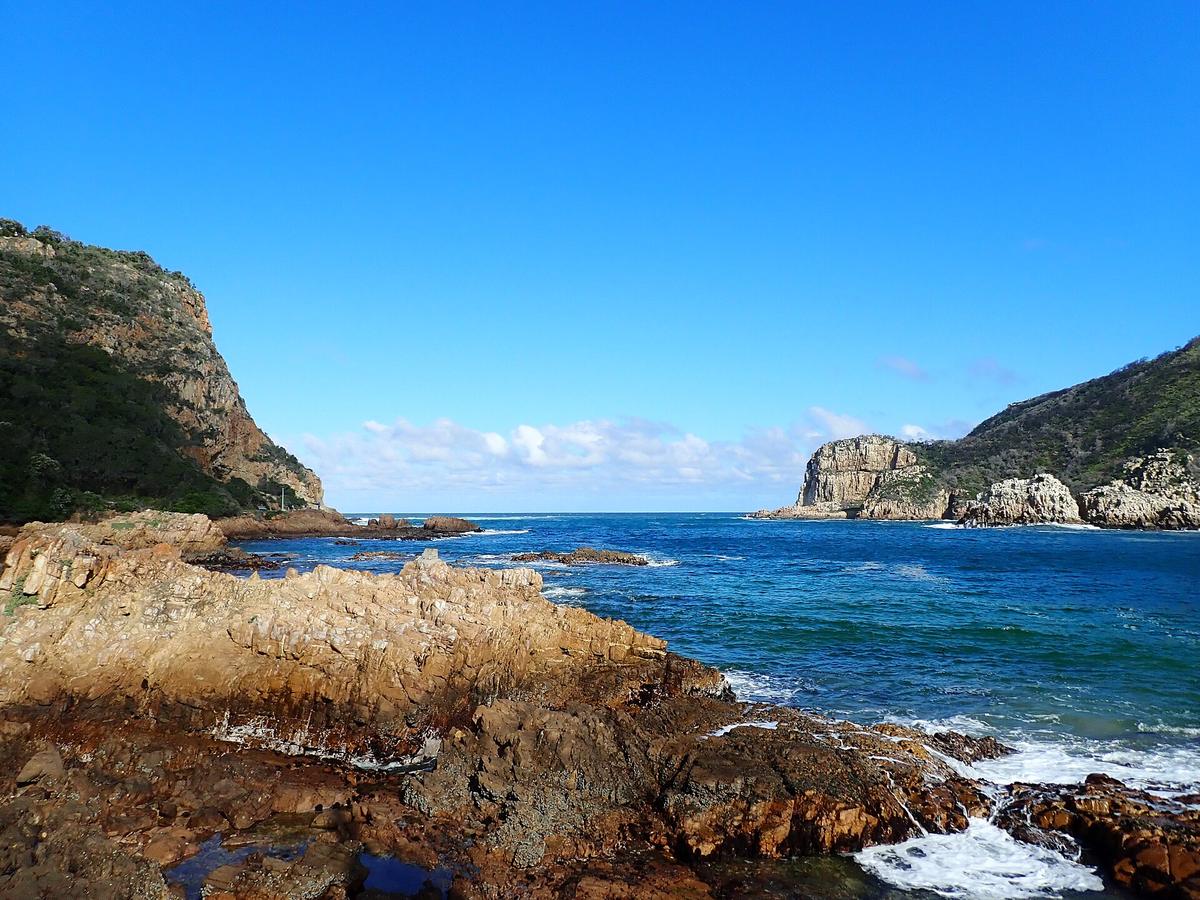
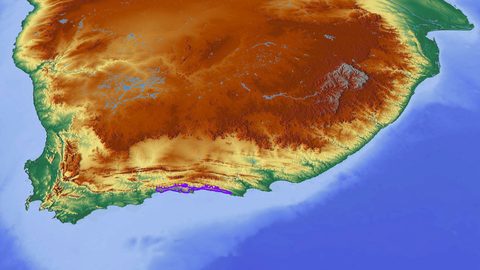
Knysna sits 60 kilometres east of George and 32 kilometres west of Plettenberg Bay, dead centre of the Garden Route. The town was founded in 1804 by George Rex, who recognised that the gap in the sandstone cliffs offered a rare natural harbour. Those cliffs, the Knysna Heads, are the defining landmark. They are two headlands that pinch the lagoon's connection to the Indian Ocean into a channel roughly 230 metres wide at its narrowest. The lagoon itself covers approximately 18 square kilometres and experiences a tidal range of 1.5 to 2 metres, with spring tides running higher. That means the water moves. It floods in, drains out. Every waterfront property owner learns to read a tide table.

Thesen Island, Waterfront and the Lagoon’s Lodging Landscape
Where To Stay And When To Book
Knysna lagoon accommodation splits into three main pockets: self-catering apartments, holiday houses on Thesen Island, and guesthouses along the Waterfront. Thesen Island is the most convenient base: a reclaimed industrial island turned residential estate, connected by a bridge to the town centre. From here you can walk to cafes, the Waterfront dining strip, and the ferry jetty for lagoon cruises. But book three to six months ahead if you are arriving between December and February. Peak summer brings South African school holidays and the festive season crush from Christmas through early January. The week between Christmas and New Year is the worst possible window. Coastal towns from Hermanus to Plettenberg Bay gridlock, prices triple, and beaches hit capacity. Avoid it.
The Wind Problem
Accommodation on the lagoon side gives you water views and easy access to sailing, kayaking, and stand-up paddleboarding. But it also gives you the wind. The South-Easter can gust 60 to 80 kilometres an hour for days in summer, turning a planned afternoon on the water into a sandblasting session on your balcony. If you want calm, book a forest-side property on the northern edge of town. You will trade the view for shelter. You will drive to the water.
What You Actually Do Here
The Heads: Get There Early
The Heads are the one sight you do not skip. Drive to the Eastern Head viewpoint, arrive by 08:30, and you will have the platform to yourself before the tour buses arrive. The channel below is dangerous for swimming. The sign telling you not to swim is not a suggestion. The current rips through that 230-metre gap at terrifying speed. Watch from the rail, take your photograph, and leave before the wind picks up.
On The Lagoon
The lagoon itself is the main activity hub. Kayak hire is available from several operators on the Waterfront; paddle toward the Heads at high tide for the best perspective on the scale of the cliffs. A ferry cruise gives you a narrated loop around the lagoon and the islands. It is not essential if you have your own car and can reach the viewpoints independently.
The Oyster Festival
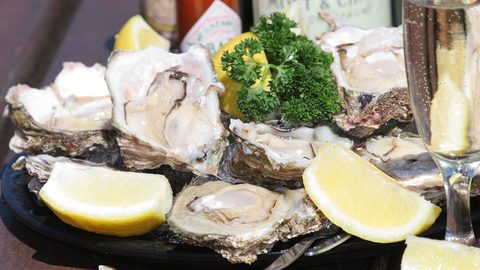
The Knysna Oyster Festival runs for ten days in late June or early July, first held in 1983. It is a winter event, which means cooler weather but no wind. The festival centres on the cultivated Pacific oyster, Crassostrea gigas, farmed in the lagoon. If you are travelling the Garden Route in June or July, the festival is a legitimate reason to anchor a night here. If you are travelling in summer, it does not exist, and you should not plan around it.
The Forest
The indigenous forest around Knysna covers roughly 568 square kilometres, dominated by Outeniqua yellowwood trees. There are short walks in the Garden of Eden and the Jubilee Creek picnic site, both accessible from the N2 east of town. The forest is damp, shaded, and still. It is a complete contrast to the wind-scoured lagoon. It is worth the detour even for a 30-minute walk.
Knysna Versus Wilderness Versus Mossel Bay
Wilderness
You are deciding between three towns on the Garden Route West. Here is the honest breakdown.
Wilderness, 60 kilometres west of Knysna, is smaller and quieter. It is built around a series of lakes and a river mouth. It has no Heads, no oyster festival, and no island. What it has is a relaxed beach village feel, better wind protection, and a stronger hiking scene along the boardwalk trails. Wilderness is for travellers who want to sleep with the windows open and hear waves, not boat engines. It is not for anyone who wants a restaurant reservation or a night out.
Mossel Bay
Mossel Bay, further west again, is a working harbour town with a functional beach and the Dias Museum Complex. It is the base for shark cage diving and has a more practical, less romantic character than Knysna. It works as a first-night stop if you fly into Cape Town and want to break the drive. It works as a last-night stop if you are heading back toward the Cape. It does not work as a destination in itself.
Where Knysna Fits
Knysna sits between these two in character. It has more infrastructure than Wilderness and more natural drama than Mossel Bay. It also has the worst traffic of the three, especially on the N2 through town in summer afternoons. If your trip style is about moving every day and ticking viewpoints, Knysna works as a single-night stop. Arrive late afternoon, walk the Heads at sunset, eat oysters, leave the next morning. If your trip style is about anchoring somewhere for two or three nights and paddling, cycling, and eating your way through a single area, Wilderness is the better base. It is less hyped, less expensive, and more restful.
.jpg)
The Forest and the Fire
The 2017 Fire
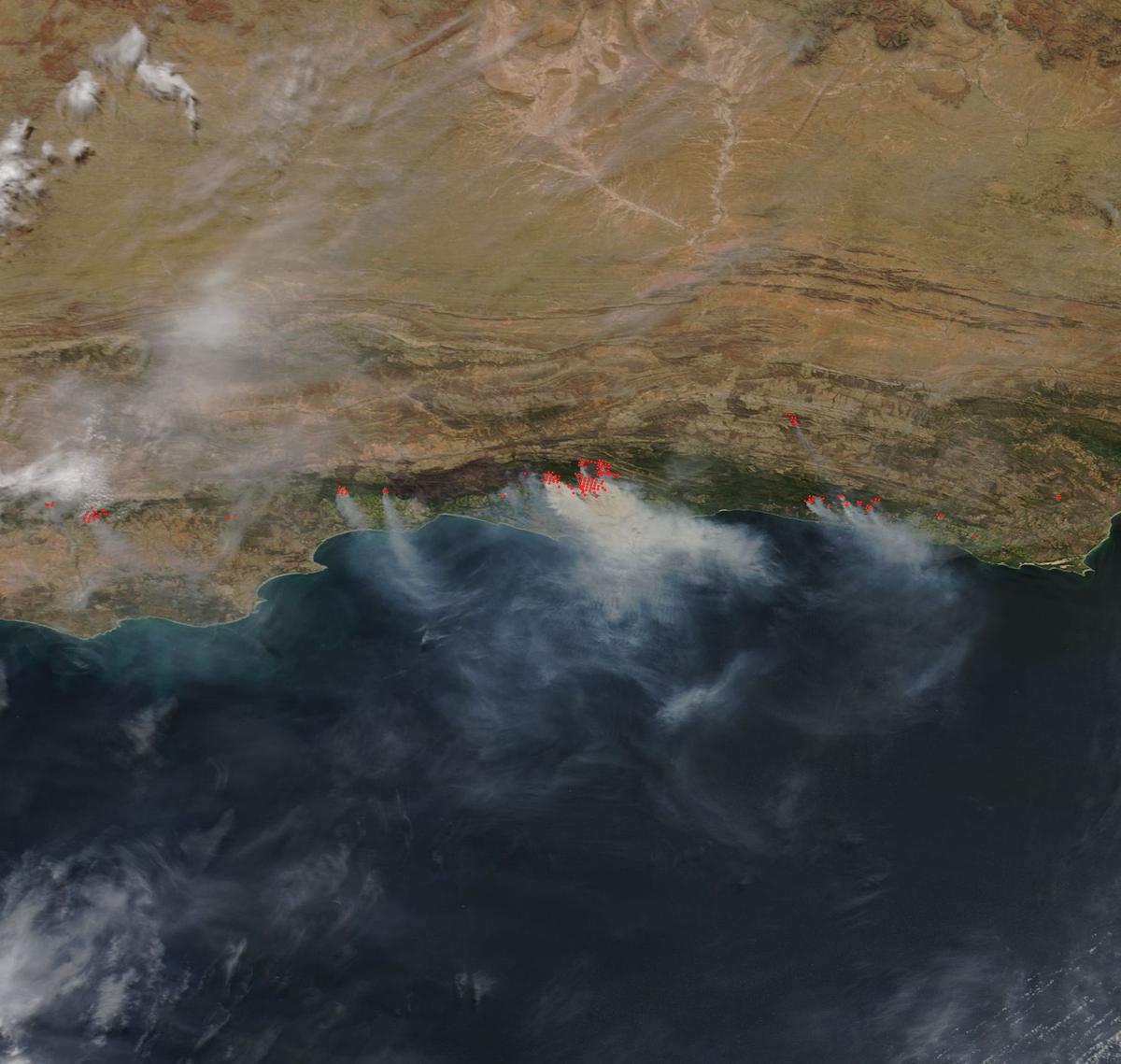
One detail that never appears in a city guide: the eastern side of town, toward Plettenberg Bay, still bears the scars of the June 2017 fire. On 7 June 2017, multiple ignition points during severe bergwind conditions, with wind gusts recorded up to 90 kilometres an hour, burned approximately 20,000 hectares. Over 1,000 structures were destroyed. Seven people died. Roughly 10,000 residents were displaced. Insurance claims reached an estimated ZAR 3 to 4 billion. Drive the N2 east of town and you will see regrowth and rebuilt homes alongside empty lots. It is not a tourist sight. It is a reminder that this landscape burns, and that the forest you walk through in summer is dry enough to ignite from a discarded cigarette. The 2017 fire was not an anomaly. It was the worst in a history of fires, and the town knows it.
The Last Elephant
There is one known Knysna elephant remaining as of 2024, an adult female confirmed via DNA analysis of dung samples in 2019. The historic population in the 1870s was 400 to 600. You will not see this elephant. She lives deep in the forest, avoids humans, and has survived because she stays hidden. The elephant is a symbol of what Knysna can still offer: something wild that refuses to perform for visitors. Do not come looking for her. Come for the forest itself.
Common Questions
Should I spend one night in Knysna or two?
One night is enough if you arrive by late afternoon, walk the Heads at sunset, have an oyster dinner, and leave the next morning. Two nights make sense only if you plan to hire a kayak, take a forest walk, and eat at two different restaurants. Anything longer than two nights risks running out of things to do unless you are using Knysna as a base for day trips to Plettenberg Bay and the Tsitsikamma region.
Is Knysna better than Wilderness for a family?
Wilderness is better for young children because the beach is safer, the wind is lower, and the pace is slower. Knysna is better for families with teenagers who want kayaking, SUP hire, and a town centre with more food options. For families who want neither, skip both and base yourself in Plettenberg Bay.
When is the best time to visit Knysna for the oyster festival?
Late June to early July. The festival runs for ten days. Winter means cooler temperatures but no South-Easter wind, which makes the lagoon far more pleasant. Book accommodation as far ahead as you would for peak summer, because the festival draws a regional crowd.
Can I visit the Heads without paying?
Yes. The Eastern Head viewpoint is a public road end with free parking. The Western Head is part of the Featherbed Nature Reserve and requires a ferry and guided tour, which costs money. The free viewpoint gives you the same photograph.
Is Knysna worth visiting if I am doing the Garden Route in four days?
No. The full Garden Route from Cape Town to Gqeberha is 750 kilometres one way. Four days forces you to spend the entire trip behind a windscreen. Skip Knysna entirely on that itinerary and pick either Wilderness or Plettenberg Bay for a single overnight. Knysna demands at least one full afternoon and evening to justify the stop.
Read next
-
 Knysna Activities on the Lagoon, at the Heads and in the Forest
Knysna is a lagoon town, a Heads town and a forest town all at once. Here is how to plan your days around all three.
Knysna Activities on the Lagoon, at the Heads and in the Forest
Knysna is a lagoon town, a Heads town and a forest town all at once. Here is how to plan your days around all three.
-
 Knysna Restaurants for Oysters, Waterfront Views and the Town Behind the Quays
Knysna means oysters and waterfront tables, but the best eating stretches to Thesen Island, the town centre and the quiet lagoon edges.
Knysna Restaurants for Oysters, Waterfront Views and the Town Behind the Quays
Knysna means oysters and waterfront tables, but the best eating stretches to Thesen Island, the town centre and the quiet lagoon edges.
-
 South Africa Travel Guide, What to Know Before You Go
South Africa delivers raw landscapes and world-class wildlife, but requires more planning than a typical beach getaway. Here's how to start.
South Africa Travel Guide, What to Know Before You Go
South Africa delivers raw landscapes and world-class wildlife, but requires more planning than a typical beach getaway. Here's how to start.
-
 Cape Town vs Johannesburg Which City for Your Days
Which South African city to spend your limited days in, refereed without false neutrality.
Cape Town vs Johannesburg Which City for Your Days
Which South African city to spend your limited days in, refereed without false neutrality.
-
 Best Time to Visit South Africa by Region and Season
South Africa's seasons are inverted, and the Cape's winter rain is opposite the rest of the country. Here's how to time your trip.
Best Time to Visit South Africa by Region and Season
South Africa's seasons are inverted, and the Cape's winter rain is opposite the rest of the country. Here's how to time your trip.
-
 Getting Around South Africa, Why Self-Drive Beats Flying
Self-driving is the best way to see the Cape and Garden Route, but long distances and Gauteng's e-toll system can surprise first-time visitors.
Getting Around South Africa, Why Self-Drive Beats Flying
Self-driving is the best way to see the Cape and Garden Route, but long distances and Gauteng's e-toll system can surprise first-time visitors.