Cape Town Districts and Where to Base Yourself
Cape Town's districts explained, from the walkable City Bowl to the wind-hit Atlantic Seaboard, and which side suits your trip.
- Flag
-

- ISO code
- ZA
- Population
- 4,800,000
- Currency
- ZAR
- Timezone
- Africa/Johannesburg
Cape Town Districts and Where to Base Yourself
You have read the lists of things to do in Cape Town and you still do not know where to sleep. That is the real problem. The answer comes down to one decision: which side of Table Mountain you want to wake up on. The mountain chain that splits the city also splits its weather, its pace, and its reason for existing. Pick wrong and you spend your holiday driving an hour to get to the beach, or shivering on a deck that looked perfect on Instagram.
Four areas matter for first-time visitors: the City Bowl, the Atlantic Seaboard, the Southern Suburbs, and the Cape Peninsula South. Each answers a different version of the same question. Here is how they work, what they cost in wind and traffic, and which traveller should book in each one.
,_Table_Mountain,_Blick_auf_City_Bowl_--_2024_--_2826.jpg)
The City Bowl: Walkability, History, and the South-Easter
Where to Stay and Why
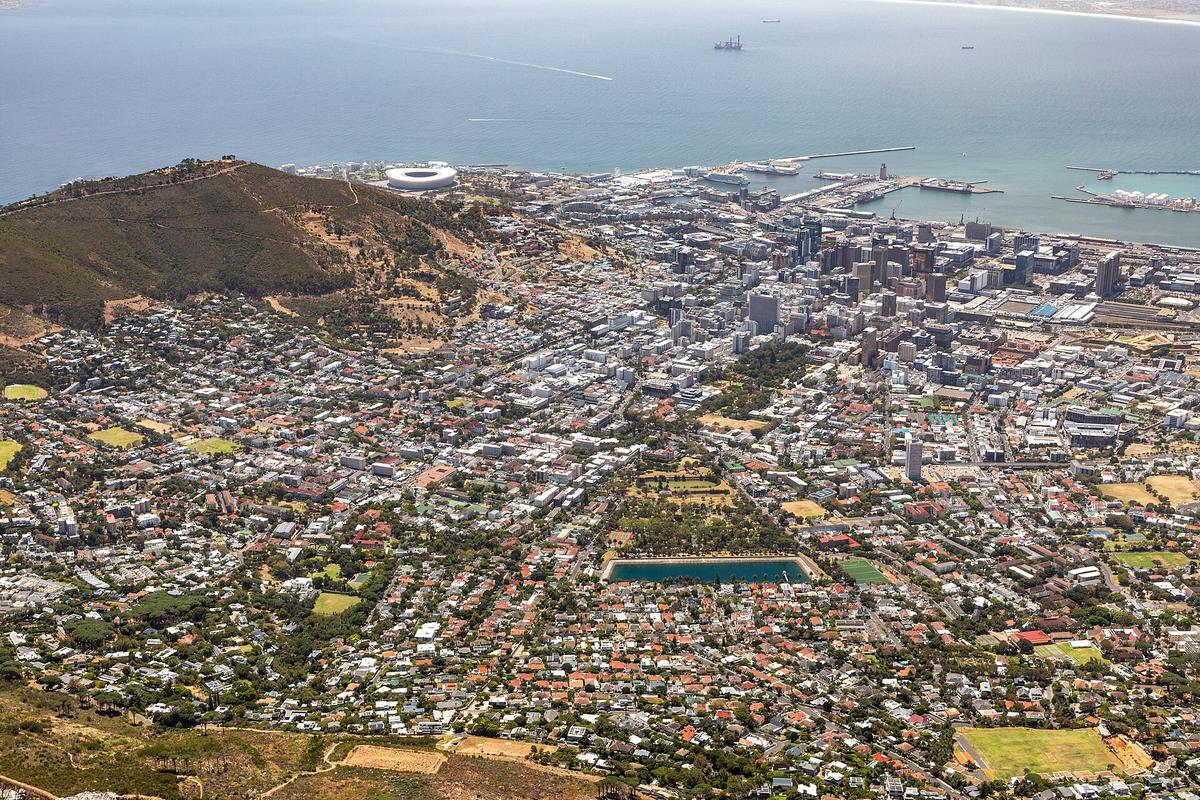
The City Bowl is the bowl of land between Table Mountain, Signal Hill, Lion's Head, Table Bay, and the N1 and N2 freeway edges. At roughly 0 to 30 metres above sea level, it holds the historic core: Bo Kaap, the Company's Garden, the V&A Waterfront, and most of the city's nightlife. You can walk from a coffee shop in Tamboerskloof to dinner in De Waterkant in fifteen minutes. That is the point of staying here.
But the City Bowl sits directly in the path of the South-Easter wind. From November through February, that wind gusts 60 to 80 km/h for days at a time. It does not cancel a restaurant reservation. It does cancel the Table Mountain Aerial Cableway, which closes in high wind. It also sandblasts any outdoor meal on a rooftop terrace. The trade-off is straightforward: you trade wind for walkability. If you plan to spend most of your time at restaurants, bars, galleries, and museums, and you hate dealing with a rental car in peak-hour congestion, the City Bowl is your base.
Parking and Public Transport
Parking is a genuine problem. Most guesthouses in the City Bowl do not have off-street parking. Street parking in Bo Kaap and the V&A Waterfront area attracts smash-and-grab theft. Budget for a hotel with a secure garage or accept that you will pay R50 to R80 per hour in public lots. If you are road-tripping the Garden Route or the Cape Peninsula in a rental car, staying here means moving the car once a day at most, then walking.
The Southern Line of the Metrorail runs from Cape Town station south to Simon's Town. It is functional, cheap, and passes through Observatory, Newlands, and Muizenberg. Do not rely on it for late-night returns. The MyCiTi bus system works well for the City Bowl, the Atlantic Seaboard, and the airport. Tap-and-go credit cards work on some routes, but you need a pre-loaded MyCiTi card for others. The airport bus, route A01, runs from the Civic Centre station to the terminal in 20 to 30 minutes for roughly R110.
The Atlantic Seaboard: Sunsets, Cold Water, and Tourist Density
Views Versus Water Temperature
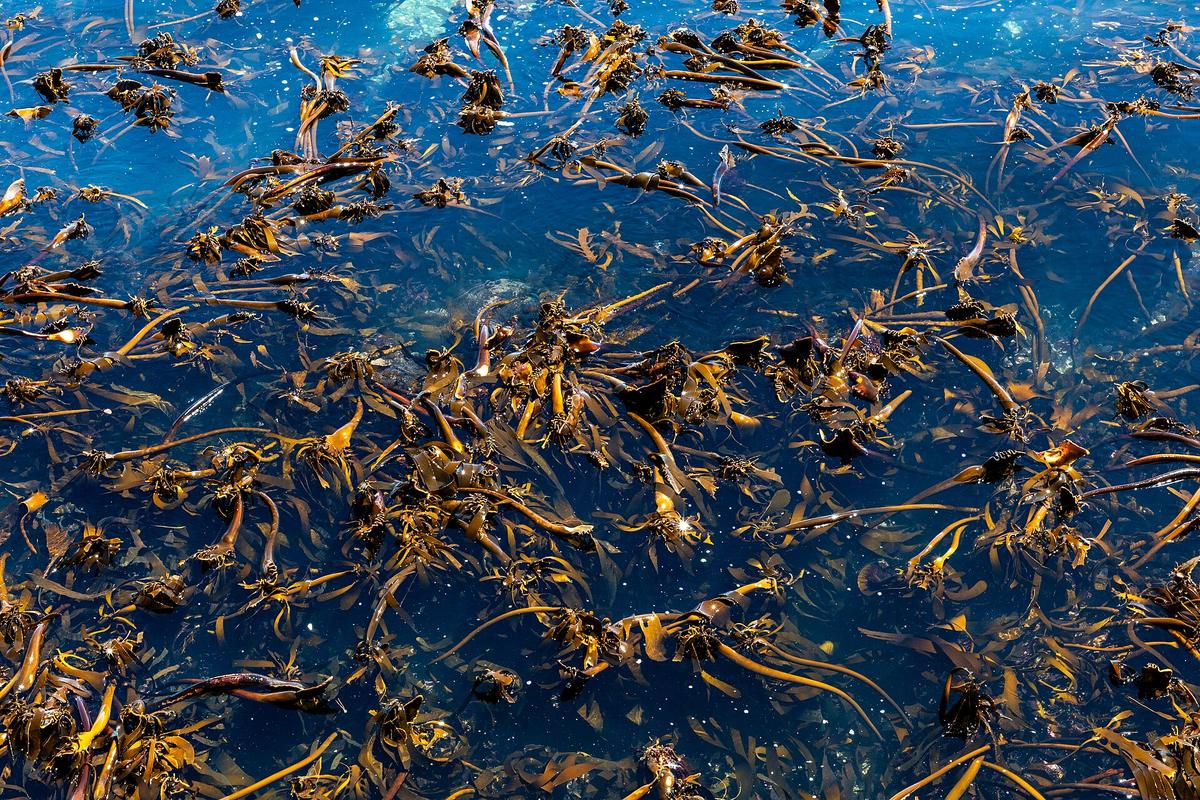
The Atlantic Seaboard runs from Green Point and Sea Point through Clifton, Camps Bay, Llandudno, and Hout Bay. This is the glossy strip. Every sunset photo you have seen from Cape Town was taken here, looking west over the ocean. The catch is the water temperature. In summer, the Atlantic side sits at 10 to 16°C. It is cold. You will not swim for more than a few minutes without a wetsuit. False Bay, on the other side of the peninsula, hits 16 to 22°C in the same month. If swimming in warm water matters, do not stay on this side of the mountain.
Wind, Parking, and the Promenade
The wind is also brutal. On a summer afternoon when the South-Easter blows, Camps Bay beach becomes a sandblasting experience. The same wind that clears the air over the City Bowl makes a beach day on the Atlantic side miserable. The calmest months are May through July, which is winter here. Book the Atlantic Seaboard for the views, the promenade walks, and the restaurant scene, not for the beach. Clifton's four coves offer some shelter from the wind, but the water is still cold.
Parking on this strip is worse than the City Bowl. Camps Bay's main beach strip has paid parking that fills by 10:00 on a summer weekend. Sea Point has residential parking permits and limited visitor spaces. Choose accommodation within walking distance of restaurants and the Sea Point promenade. Do not plan to drive to dinner in Camps Bay in December unless you are willing to circle for twenty minutes.
The Southern Suburbs: Quiet, Leafy, and Car Dependent
Who It Suits
The Southern Suburbs stretch from Observatory through Rondebosch, Newlands, Claremont, Wynberg, Constantia, and Tokai. This is university-anchored, family-oriented, and green. It is also almost entirely residential. The tourist infrastructure here is minimal. You stay here because you want a quieter local feel, because you are a wine lover aiming for Constantia's estates (Groot Constantia, South Africa's oldest wine estate, is here), or because you are visiting family.
The Driving Trade-Off
The trade-off is driving. You will need a rental car for everything. The MyCiTi bus does not serve most of this district well. The Southern Line train runs through Observatory, Rondebosch, Newlands, and Wynberg, but service is limited and the station areas are not always safe after dark. You will drive to the City Bowl (20 minutes without traffic, 45 in peak hour), to the Atlantic Seaboard (30 minutes), and to the False Bay coast (30 minutes).
Weather Patterns
The weather here is milder than the Atlantic side. The Southern Suburbs sit on the eastern side of Table Mountain, sheltered from the South-Easter. On a summer day when the Atlantic side is 100% cloud under the southeaster, the Southern Suburbs and False Bay can be clear and 6 to 10°C warmer. Average annual rainfall is 500 to 600 mm in the City Bowl but higher in Constantia and Tokai, which get 600 to 800 mm. Winter (May through August) is the rainy season. If you book a garden cottage in Constantia in July, bring a rain shell.
The Cape Peninsula South: Wild Beaches, Penguins, and Driving Time
Warmer Water and Wildlife
The Cape Peninsula South includes the False Bay coast from Muizenberg to Simon's Town, plus Fish Hoek, Kalk Bay, and Strandfontein. This is where you go for Boulders Beach (the African penguin colony), Cape Point, and the dramatic cliff walks of Table Mountain National Park. The water on the False Bay side is warmer. Kalk Bay's tidal pool, Simon's Town's beaches, and Muizenberg's surf break all sit in the 16 to 22°C range in summer. You can swim without a wetsuit.
Distance, Baboons, and Fire Risk
But the distance from the City Bowl is real. Driving from the V&A Waterfront to Simon's Town takes 50 minutes without traffic, 90 minutes in peak hour or on a summer weekend. The Chapman's Peak Drive toll road cuts the time slightly but costs a toll. If you stay in Simon's Town or Kalk Bay, you are committing to a full day trip every time you want to go to the City Bowl or the Atlantic Seaboard. This base works best for travellers who plan to spend most of their time on the peninsula itself: hiking Cape Point, visiting Boulders Beach, surfing at Muizenberg, eating at Kalk Bay's harbourside restaurants.
Baboons are a real problem here. They raid cars and holiday homes. Never leave windows open or food visible. The mountain and forest fire risk runs from November through April, and fires can close roads and trails with zero notice. If you stay in a house on the mountain slope in Fish Hoek or Simon's Town, check the fire danger rating daily. The trade-off for the wild beauty is the isolation from the rest of the city.
,_Sea_Point_Promenade,_K%C3%BCste,_Algen_--_2024_--_3625.jpg)
How to Choose
Walkability and nightlife: City Bowl. Sunsets and cold-water swimming: Atlantic Seaboard. Quiet and wine estates: Southern Suburbs. Penguins and warm water: Cape Peninsula South. The one thing every area shares is the wind. The South-Easter blows hardest from November through February. It can flatten a beach day or cancel cableway tickets regardless of which side you choose. Book flexible accommodation with a cancellation policy. Book the Table Mountain Aerial Cableway in advance and accept that the weather may cancel it. Budget for a rental car even if you stay in the City Bowl, because day trips to the Cape Winelands (Franschhoek and Stellenbosch are 50 to 80 minutes each way), the Whale Coast, and the West Coast National Park all require driving.
One honest caveat: no district here solves for both convenience and escape. The City Bowl is convenient and loud. The Atlantic Seaboard is beautiful and cold. The Southern Suburbs are quiet and car-dependent. The Cape Peninsula South is spectacular and far. Pick the trade-off you can live with, not the one that looks best on a map.
| District | Walkability | Water Temperature | Wind Exposure | Requires Car |
|---|---|---|---|---|
| City Bowl | High | N/A (no beach) | High (South-Easter) | No, but useful |
| Atlantic Seaboard | Medium | 10-16°C summer | Very High | No, but useful |
| Southern Suburbs | Low | N/A (no beach) | Low | Yes, essential |
| Cape Peninsula South | Medium | 16-22°C summer | Medium | Yes, essential |
Common Questions
Which district is best for first-time visitors?
The City Bowl. It puts you within walking distance of the V&A Waterfront, Bo Kaap, and most restaurants. You can manage without a rental car for city exploration, though you will need one for day trips to the Winelands or the peninsula.
Which district has the warmest swimming beaches?
The False Bay coast, from Muizenberg to Simon's Town. Water temperatures reach 16 to 22°C in summer, compared to 10 to 16°C on the Atlantic Seaboard. Stay in the Cape Peninsula South district for direct access.
How bad is the wind in the City Bowl?
The South-Easter gusting 60 to 80 km/h is common from November through February. It can cancel the Table Mountain cableway and make outdoor dining uncomfortable. The City Bowl is more exposed than the Southern Suburbs but less exposed than the Atlantic Seaboard.
Can I stay in the Southern Suburbs without a car?
No. The MyCiTi bus network does not serve most Southern Suburbs areas well. The Southern Line Metrorail runs through Observatory, Rondebosch, Newlands, and Wynberg, but service is limited and not safe after dark. You need a rental car.
Is the Atlantic Seaboard worth the wind?
Yes, if you want the sunset views and the promenade lifestyle. No, if you want warm-water swimming or a calm beach day. Book Clifton's coves for more wind shelter, but accept the water temperature.
How far is the Cape Peninsula South from the City Bowl?
Driving from the V&A Waterfront to Simon's Town takes 50 minutes without traffic, 90 minutes in peak hour or on a summer weekend. Factor this into your day planning.
Which district has the lowest tourist density?
The Southern Suburbs. Tourist infrastructure is minimal. You will find local cafes and wine estates in Constantia, but no tourist crowds. The trade-off is the need to drive everywhere.
Read next
-
 Where to Stay in Cape Town Choosing the Right Side of the Mountain
Compare Cape Town neighbourhoods by budget and vibe, from the Atlantic Seaboard to the City Bowl and Southern Suburbs, with real nightly price ranges.
Where to Stay in Cape Town Choosing the Right Side of the Mountain
Compare Cape Town neighbourhoods by budget and vibe, from the Atlantic Seaboard to the City Bowl and Southern Suburbs, with real nightly price ranges.
-
 Cape Town Things to Do From Table Mountain to the Cape Peninsula
Plan your Cape Town itinerary around the attractions that need advance booking, from Table Mountain cableway tickets to Robben Island ferries and Kirstenbosch concerts.
Cape Town Things to Do From Table Mountain to the Cape Peninsula
Plan your Cape Town itinerary around the attractions that need advance booking, from Table Mountain cableway tickets to Robben Island ferries and Kirstenbosch concerts.
-
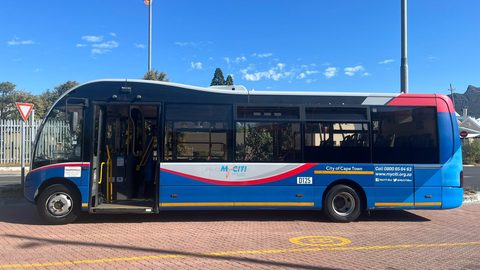 Getting Around Cape Town MyCiTi Bus Routes Rental Cars and the Safety Question
Compare Cape Town transport options including MyCiTi bus routes from the airport, rental car advice for the peninsula, and the Uber versus Bolt safety question.
Getting Around Cape Town MyCiTi Bus Routes Rental Cars and the Safety Question
Compare Cape Town transport options including MyCiTi bus routes from the airport, rental car advice for the peninsula, and the Uber versus Bolt safety question.
-
 Eating in Cape Town Where the Range and the Value Actually Are
Find the best value in Cape Town's restaurants, from Woodstock food markets and Bo-Kaap Cape Malay kitchens to Bree Street tasting menus.
Eating in Cape Town Where the Range and the Value Actually Are
Find the best value in Cape Town's restaurants, from Woodstock food markets and Bo-Kaap Cape Malay kitchens to Bree Street tasting menus.
-
 Day Trips From Cape Town the Winelands the Peninsula and Whale Season
Plan day trips from Cape Town to the Cape Peninsula, Stellenbosch winelands and Hermanus whales, with driving times and seasonal wildlife advice.
Day Trips From Cape Town the Winelands the Peninsula and Whale Season
Plan day trips from Cape Town to the Cape Peninsula, Stellenbosch winelands and Hermanus whales, with driving times and seasonal wildlife advice.
-
 South Africa Travel Guide, What to Know Before You Go
South Africa delivers raw landscapes and world-class wildlife, but requires more planning than a typical beach getaway. Here's how to start.
South Africa Travel Guide, What to Know Before You Go
South Africa delivers raw landscapes and world-class wildlife, but requires more planning than a typical beach getaway. Here's how to start.
-
 Cape Town vs Johannesburg Which City for Your Days
Which South African city to spend your limited days in, refereed without false neutrality.
Cape Town vs Johannesburg Which City for Your Days
Which South African city to spend your limited days in, refereed without false neutrality.
-
 Best Time to Visit South Africa by Region and Season
South Africa's seasons are inverted, and the Cape's winter rain is opposite the rest of the country. Here's how to time your trip.
Best Time to Visit South Africa by Region and Season
South Africa's seasons are inverted, and the Cape's winter rain is opposite the rest of the country. Here's how to time your trip.
-
 Getting Around South Africa, Why Self-Drive Beats Flying
Self-driving is the best way to see the Cape and Garden Route, but long distances and Gauteng's e-toll system can surprise first-time visitors.
Getting Around South Africa, Why Self-Drive Beats Flying
Self-driving is the best way to see the Cape and Garden Route, but long distances and Gauteng's e-toll system can surprise first-time visitors.