Planning a Trip to South Africa
South Africa delivers raw landscapes and world-class wildlife, but requires more planning than a typical beach getaway. Here's how to start.
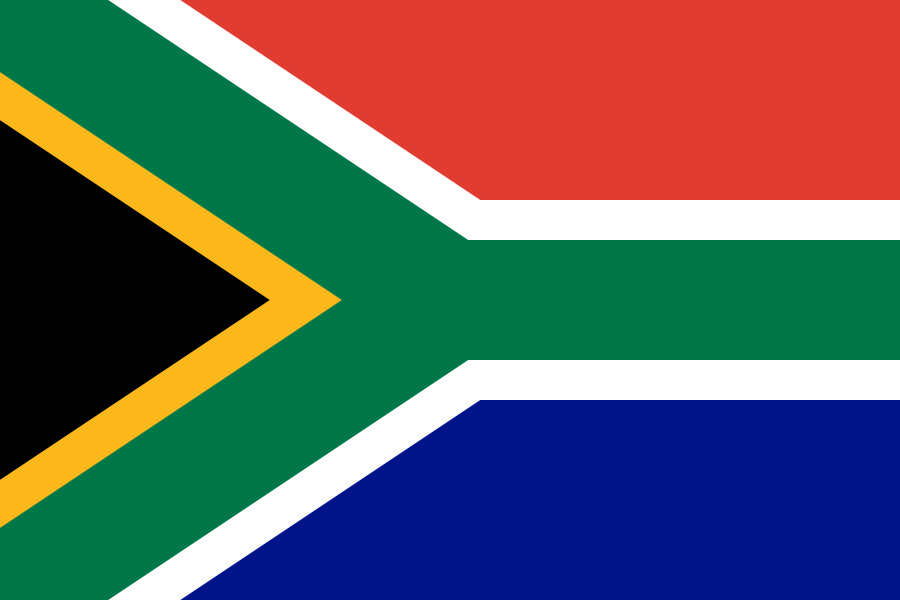
- Flag
-
- ISO code
- ZA
- Population
- 62,000,000
- Currency
- ZAR
- Timezone
- Africa/Johannesburg
- Dial code
- +27
Planning a Trip to South Africa
The single most useful thing to know about South Africa is that the country is 1,221,037 square kilometres, about the size of France, Spain, and Portugal combined, and you cannot see it in a week. First time visitors need 14 days minimum. A 10 day trip forces you to drop either the Kruger National Park or Cape Town, and you will regret whichever one you cut. The road distance between Cape Town and the southern Kruger gates is roughly 1,800 kilometres. That is an 18 to 20 hour journey without stops, and you should budget two to three days on the road if you go by car. The direct flight from Cape Town to Skukuza Airport takes about two and a half hours, but only one or two flights operate per day, so the whole transfer eats a full morning. Treat this country like a continent, not a compact European destination.
The glossy safari brochure shows beach and Big Five in one frame. The reality is different. Visible inequality hits harder than most visitors expect. High security fencing, electric gates, and armed response stickers are normal on suburban houses. The murder rate sits at roughly 42 per 100,000 nationally, but that statistic is useless for trip planning because safety varies street by street and suburb by suburb, not city by city. The Cape Town City Bowl has high police visibility, private security patrols, and CCTV coverage. The Cape Flats townships, where you will not be going as a tourist, concentrate the violent crime. Sandton in Johannesburg operates as a gated bubble with access control on most blocks. The dangerous parts of Johannesburg are specific inner city blocks and southern townships, not Rosebank or Sandton. You need situational awareness, not fear. You do not need to stay inside your hotel after dark. You do need to know which neighbourhoods are fine at night and which are not, and that knowledge belongs on the safety page, not here.
The honest trade off is this: South Africa delivers raw landscapes and world class wildlife viewing, but it demands planning, long drives, and a tolerance for infrastructure that fails unpredictably. Load shedding, the scheduled power blackouts that can reach 10 hours a day across stages 1 through 8, means traffic lights go dead at major intersections and your hotel may lose power mid afternoon. Pack a power bank and accept that some restaurants cook on gas. The tap water is safe in major metros but intermittent quality issues in rural towns force you onto bottled water. The wind in Cape Town, the Cape Doctor southeaster, can gust at 60 to 80 kilometres per hour for days, closing the Table Mountain cableway without notice and making coastal walks unpleasant. None of these are deal breakers. They are friction you budget for, and the reward justifies it.
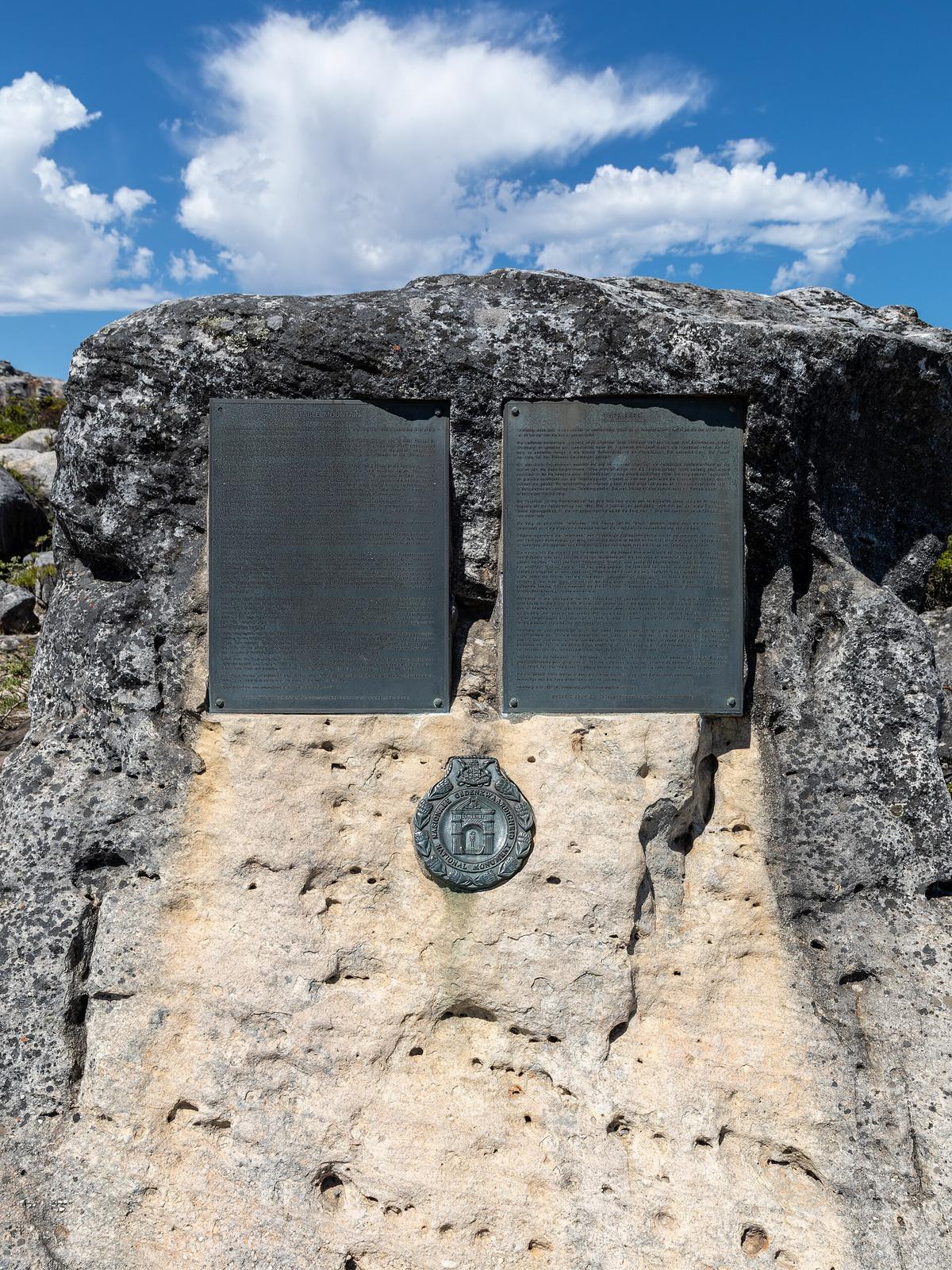
,_Table_Mountain,_Seilbahn,_Gedenkplatte_--_2024_--_2870.jpg)
- Minimum First-Trip Duration: 14 days
- Typical First-Trip Range: 14, 21 days
- Cape Town to Kruger Road Distance: Approx 1,800 km (18, 20 hours driving, 2, 3 days recommended)
- Cape Town to Kruger Direct Flight: Approx 2.5 hours, 1, 2 flights per day
- Peak Season: November to February (European winter escape and dry game viewing)
- Avoid Window: Mid-December to early January (tripled prices, gridlock, overcrowded parks)
- Arrival Airports: O.R. Tambo (JNB) and Cape Town International (CPT)
- Getting Around: Self-driving is dominant; chip-and-PIN card required for fuel and tolls
- Malaria Risk Zone: Northeastern Kruger and lowveld, September, May
- Malaria-Free Safari Options: Madikwe, Pilanesberg, Waterberg, Eastern Cape, Western Cape, southern Kalahari
Who This Trip is for and Who Should Skip it
South Africa suits wildlife first safari enthusiasts who want raw predator sightings in unfenced private reserves. It suits road trippers who love epic coastal and mountain drives, the Garden Route, Chapman's Peak, the Drakensberg passes. It suits adventure sports addicts, value seeking luxury travellers who want five star lodges at a fraction of Serengeti prices, and wine and dine connoisseurs who will spend days in the Cape Winelands. It does not suit travellers who want a walkable, spontaneous city break where they can let their guard down after dark. Skip it if you are unwilling to drive long distances. Skip it if visible poverty and high security fencing will ruin your headspace. This is not a resort destination. It is a country you engage with actively, on its own terms.
How to Structure Your First Trip
The classic first timer route divides into three zones: Cape Town and the Winelands, the Garden Route or a malaria free reserve, and Kruger. You cannot do all three in under 14 days. If you have exactly two weeks, choose two of the three. The most common first trip is Cape Town plus Kruger, connected by a flight. A 14 day itinerary gives you five nights in Cape Town with day trips to the Cape Peninsula, Stellenbosch, and Franschhoek, then a flight to Skukuza or Nelspruit for five nights split between the Kruger National Park and a private reserve on the Sabi Sand or Timbavati boundary. That leaves four days for transit and buffer. Do not try to add the Garden Route to that combination. You will spend half your trip in the car.
If you have 21 days, you can add the Garden Route between Cape Town and Kruger. Drive from Cape Town to Knysna in about five to six hours, spend three nights along the lagoons and forests, then continue to Johannesburg in two long days and fly to Kruger from there. That route covers the coastal forests, the Klein Karoo, the Drakensberg foothills, and the savannah in one trip. It is ambitious. It requires a rental car and tolerance for 120 kilometres per hour on two lane highways with occasional dead traffic lights during load shedding.
Flights vs Driving
The Cape Town to Johannesburg flight is the most frequent domestic air route in the country, with up to 30 flights per day per direction operated by FlySafair, Airlink, and Lift. Flight time is about two hours. That is the efficient way to move between the two hubs. The Johannesburg to Skukuza flight takes about 50 minutes with two to four flights per day. Book the Skukuza connection early because the seats disappear. The road from Johannesburg to the southern Kruger gates takes four to five hours on the N4 and R40. The northern gates take six to seven hours. If you are on a 14 day trip, fly. The cost for a one way Cape Town to Kruger flight in 2025 runs between ZAR 1,200 and ZAR 3,500 per person. The fuel cost to cover that same distance is ZAR 3,500 to ZAR 4,500 one way. Flying saves a day and costs about the same as the petrol.
Gate Times Matter
Kruger National Park gates close roughly 30 minutes after sunset. In winter, June solstice, that means gates close around 17:30 to 17:45. In summer, December solstice, gates close around 18:30 to 18:45. You cannot enter or exit after gate closing without a fine. Plan your game drives to end with a 30 minute margin to get back to the rest camp gate. A sunset sighting that leaves you five kilometres from the gate at closing time is not a sunset sighting, it is a problem.
| Zone | Best For | Minimum Nights | Travel Time From Cape Town | Key Friction |
|---|---|---|---|---|
| Cape Town & Winelands | City culture, coastal scenery, wine farms, Table Mountain | 4–5 | N/A (home base) | Wind can close cableway; winter rain June–Aug |
| Garden Route | Forests, lagoons, whale watching (seasonal), adventure sports | 3–4 | 5–6 hours drive to Knysna | Long drives between towns; intermittent water quality |
| Kruger & Private Reserves | Big Five game viewing, self-drive or guided safari | 4–5 | 2.5 hour flight to Skukuza (1–2 flights/day) | Malaria risk Sep–May; gate closing at sunset; 18–20 hour drive |

What You Need to Know Before You Land
Arrive at O.R. Tambo in Johannesburg or Cape Town International. From O.R. Tambo, the Gautrain connects to Sandton and Rosebank in 15 to 20 minutes for about ZAR 200. There is no direct train to the Johannesburg city centre, so you take a metered taxi or Uber from Sandton onward. From Cape Town International, the MyCiTi bus or Uber reaches the city bowl in 20 to 30 minutes for ZAR 150 to 300. No rail link exists.
Buy a prepaid SIM at the airport Vodacom or MTN store. You need your passport and proof of address, which can be your first hotel booking. Free WiFi is common in urban cafés but practically non existent in Kruger rest camps and deep rural areas, where mobile signal also vanishes. Do not rely on streaming or maps without an offline backup.
Self driving is the dominant way to explore beyond the cities. Credit cards work for fuel and tolls, but you need a chip and PIN card, not a signature card. The thing that trips visitors up is the cashless tolling system on Gauteng highways. Rental cars come with an e tag, and the toll bill hits your card weeks later, often causing chargeback confusion. Keep your rental agreement and toll receipts. Drive on the left. The national speed limit is 120 km/h on highways, 100 km/h on secondary roads, and 60 km/h in urban areas. An International Driving Permit is required only if your licence is not in English. Otherwise your home licence is accepted.
Money And Tipping
The currency is the South African Rand. Tipping in restaurants is 10 to 15 percent. VAT is 15 percent and is refundable on purchases over ZAR 250 for tourists at departure. Cash is still useful for car guards, the unofficial attendants in reflective vests who aggressively demand tips for watching your parked car. Keep small coins, ZAR 5 to 10, ready. Do not argue. Pay them.
Regions & cities in South Africa
More on South Africa
Common Questions
Is South Africa safe for tourists?
Safety varies street by street, not city by city. The Cape Town City Bowl has high police visibility and CCTV. Sandton is a gated bubble. The Cape Flats and specific inner city Johannesburg blocks are dangerous, but you will not be going through them as a tourist. Situational awareness is required. Fear is not.
Do I need malaria medication for Kruger?
Yes if you visit the northeastern Kruger National Park and lowveld areas between September and May. Malaria free safari alternatives include Madikwe, Pilanesberg, Waterberg, Eastern Cape reserves, Western Cape reserves, and the southern Kalahari. Choose those if you want to skip the pills.
How many days do I need for a first trip?
14 days minimum. Anything less forces you to cut either Cape Town or Kruger, and you will regret the omission. The typical first trip duration is 14 to 21 days.
Should I drive or fly between Cape Town and Kruger?
Fly. The direct flight takes 2.5 hours with 1 to 2 flights per day. The drive is 1,800 kilometres, 18 to 20 hours behind the wheel, and costs about the same in fuel. Flying saves a full day.
What is load shedding and how does it affect my trip?
Load shedding is scheduled power blackouts that can reach 10 hours per day across stages 1 to 8. Traffic lights go dead. Your hotel may lose power. Pack a power bank and a backup charging solution. Most lodges have generators, but street level businesses may close during their block.
When should I avoid visiting?
Avoid mid December to early January. Coastal towns gridlock, accommodation prices triple, and national parks feel overcrowded. Also avoid Cape Town winter, June to August, if you want the classic mountain and beach postcard scenes. Heavy rain and wind often scrap Table Mountain visits.
Can I drink the tap water?
Municipal water is safe in major metros like Cape Town and Johannesburg. Rural towns and some Garden Route locations experience intermittent quality issues, so you will end up buying bottled water. It feels incongruous but plan for it.
Read next
-
 Best Time to Visit South Africa by Region and Season
South Africa's seasons are inverted, and the Cape's winter rain is opposite the rest of the country. Here's how to time your trip.
Best Time to Visit South Africa by Region and Season
South Africa's seasons are inverted, and the Cape's winter rain is opposite the rest of the country. Here's how to time your trip.
-
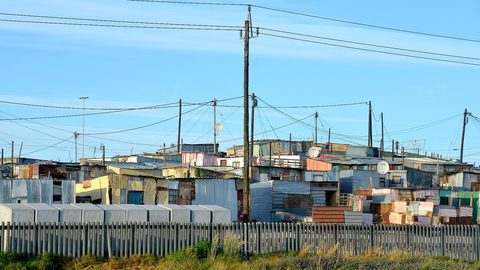 Getting Around South Africa, Why Self-Drive Beats Flying
Self-driving is the best way to see the Cape and Garden Route, but long distances and Gauteng's e-toll system can surprise first-time visitors.
Getting Around South Africa, Why Self-Drive Beats Flying
Self-driving is the best way to see the Cape and Garden Route, but long distances and Gauteng's e-toll system can surprise first-time visitors.
-
 South Africa Visa Rules and Passport Requirements for Tourists
Most Western passport holders get 90 days visa-free in South Africa, but the rules on blank pages and traveling with children are strict.
South Africa Visa Rules and Passport Requirements for Tourists
Most Western passport holders get 90 days visa-free in South Africa, but the rules on blank pages and traveling with children are strict.
-
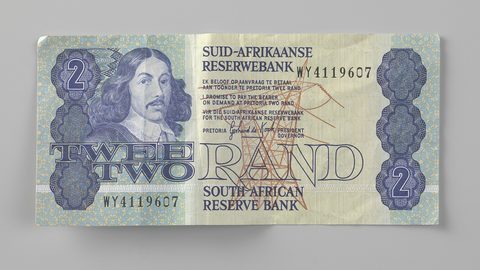 South Africa Money Guide, Rand, Cards, and Tipping Norms
Cards work almost everywhere in South Africa, but you'll need small cash for car guards and rural stops. Here's what a day costs and what to tip.
South Africa Money Guide, Rand, Cards, and Tipping Norms
Cards work almost everywhere in South Africa, but you'll need small cash for car guards and rural stops. Here's what a day costs and what to tip.
-
 South Africa Safety Advice, Honest Precautions for Visitors
South Africa demands constant situational awareness. This is the honest guide to staying safe without missing the beauty.
South Africa Safety Advice, Honest Precautions for Visitors
South Africa demands constant situational awareness. This is the honest guide to staying safe without missing the beauty.
-
 South Africa Trip Cost, Daily Budgets in Rand at Three Levels
South Africa offers value-seeking luxury, but costs vary wildly between a backpacker dorm and a private game lodge. Here are the daily numbers.
South Africa Trip Cost, Daily Budgets in Rand at Three Levels
South Africa offers value-seeking luxury, but costs vary wildly between a backpacker dorm and a private game lodge. Here are the daily numbers.
-
 Western Cape
The Western Cape works best as four separate road trips, not one rushed loop. Here is how to split the province without spending every day behind a windscreen.
Western Cape
The Western Cape works best as four separate road trips, not one rushed loop. Here is how to split the province without spending every day behind a windscreen.
-
 Cape Town vs Johannesburg Which City for Your Days
Which South African city to spend your limited days in, refereed without false neutrality.
Cape Town vs Johannesburg Which City for Your Days
Which South African city to spend your limited days in, refereed without false neutrality.