When to Go to South Africa
South Africa's seasons are inverted, and the Cape's winter rain is opposite the rest of the country. Here's how to time your trip.
When to Go to South Africa
At 8am on a July morning in the Kruger National Park, the air is dry and cold enough to see your breath, and a leopard is stretched across a low branch ten metres from the gravel road. By midday, you will have ticked three of the Big Five, and the only other vehicle in sight is a safari jeep that pulled over for the same pride of lions. That is the payoff of winter game viewing. The question is whether you are willing to trade Cape Town's summer for it, because South Africa does not offer both at the same time.
The country operates on two opposite climate clocks. The Western Cape, wrapped around Cape Town, the Winelands and the Garden Route, runs a Mediterranean rhythm: dry, hot summers from November to March and cold, wet winters from June to August. Everything east of that line, including Johannesburg, Kruger, the Drakensberg and Durban, runs a summer rainfall pattern, with thunderstorms from November to March and a dry, mild winter from May to September. You cannot pick a single month that delivers perfect weather for the whole country. You pick a month that delivers what you came for, and you accept the compromise.
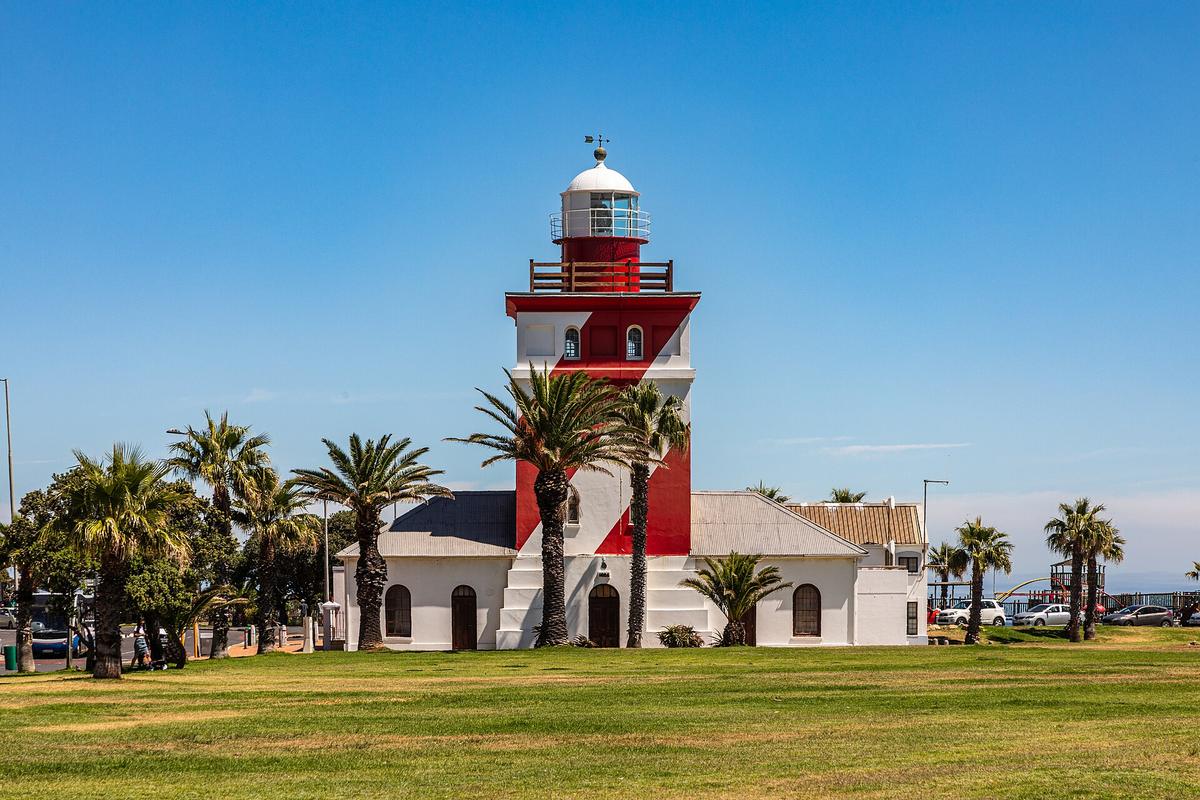
,_Green_Point_Lighthouse_--_2024_--_3566.jpg)
The Western Cape’s Winter Rain Problem
Summer Is the Cape's Only Reliable Season
If your trip centres on Cape Town, the Cape Winelands or the Garden Route, your window is November through March. That is summer in the Cape. Average high temperatures hit 26°C in Cape Town, the south easterly wind known as the Cape Doctor picks up from November through February and can gust to 80 km/h, but the skies stay clear and the cable car to Table Mountain runs most days. The failure case is June through August, when average highs drop to 17°C, heavy rain settles in for days at a time, and the cableway closes unpredictably. You can still visit museums and eat Cape Malay curry in Bo Kaap, but the mountain and beach postcard scenes are a gamble you should not take on a first trip.
When Whales and Wildflowers Justify the Rain
The Cape coast delivers one compensating draw in winter: southern right whales arrive from June through November, peaking between August and October. The town of Hermanus, a 90 minute drive from Cape Town, becomes the best land based whale watching spot on the continent. If whales are your priority and you are willing to pack a rain jacket, August and the first half of September offer the best overlap of whale season and the Namaqualand wildflower bloom, which carpets the northwest in orange and yellow for roughly six weeks from late August. But for the classic Cape Town experience, book between November and March and budget for the wind.
Summer Rainfall Regions and Dry Season Safari
Kruger and the Highveld Reward Winter Visitors
For Kruger National Park, the private reserves of Sabi Sand and Timbavati, the Drakensberg and Johannesburg, the best months are May through September. That is winter. The grass is low, the undergrowth is thin, and animals cluster around the remaining water sources. Visibility is dramatically better than in the wet summer months from October to April, when the bush is thick, the roads can turn to mud, and the mosquitoes carry a higher malaria risk. Average winter highs in Johannesburg are 17°C, which means a fleece and a windbreaker for dawn game drives, but the afternoons are clear and comfortable. Kruger's dry season runs May to September, and those five months produce the highest quality game viewing in the country.
The KwaZulu-Natal Coast Flips the Script
Durban and the KwaZulu Natal coast flip the logic again. The best beach months are April through September, which avoids the summer rainy season from October to March when humidity climbs and afternoon thunderstorms are routine. Durban's average winter high is 23°C, warm enough for swimming, while summer highs hit 28°C with oppressive humidity. The iSimangaliso Wetland Park, a three hour drive north of Durban, is best in the dry winter months when hippos and crocodiles concentrate in the remaining water and the mosquitoes that carry malaria are less active.
| Region | Best Months | Reason |
|---|---|---|
| Kruger and Private Reserves | May–September | Dry season, low grass, animals at water sources |
| Cape Town and Winelands | November–March | Dry summer, clear skies, cable car running |
| Garden Route | November–March | Milder rain risk, warmer days for coastal walks |
| Durban and KwaZulu-Natal Coast | April–September | Dry winter, lower humidity, fewer storms |
| Drakensberg | May–September | Clear skies for hiking, no summer thunderstorms |
| Namaqualand Wildflowers | August–September | Peak bloom, six week window |
The Window You Should Avoid at Any Cost
Mid-December to Early January Is the Worst
Mid December to early January is the single worst time to visit South Africa, and you should shift your dates if you can. This is the peak domestic summer holiday. Schools close from early December to mid January, and the entire country takes to the road. Coastal towns from Plettenberg Bay to Durban gridlock. Accommodation prices triple against low season rates. National parks, particularly Kruger and the Garden Route reserves, feel overcrowded. Bookings for any decent lodge or guesthouse require a reservation six to twelve months ahead, and even then you may find nothing. The Cape Town waterfront, the Boulders Beach penguin colony and the Chapman's Peak drive become bottlenecks of rental cars and tour buses. If your schedule is fixed to the Christmas and New Year period, book everything before August and expect to pay double for a downgraded experience.
Other Holiday Windows and the Shoulder Season Fix
Two other domestic holiday windows create similar but less severe pressure: Easter weekend and the late June to mid July winter school break. The late September to early October school holiday also spikes demand, especially in Cape Town, where spring weather is good but not yet guaranteed. If you are flexible, aim for shoulder months: October or November for Cape Town and the Winelands, or April and May for Kruger and the Drakensberg. You get reasonable weather, lower prices and a fraction of the crowds.
Common Questions
What is the absolute best month to visit South Africa for both safari and Cape Town?
No single month delivers perfect conditions for both. The best compromise is September or October. Kruger is still in the dry season through September, and the grass has not yet grown tall. Cape Town is coming out of winter, the whale season peaks, and the Namaqualand flowers are out. You will get some rain in Cape Town, but not the relentless June August downpours. Book October if you want warmer Cape Town days and can accept that Kruger's bush is starting to thicken.
Should I visit Cape Town in June?
Only if your goal is whale watching in Hermanus or the Namaqualand flower season in late August. Otherwise, avoid June, July and August. Average high temperatures are 17°C, heavy rain is frequent, and the Table Mountain cable car closes without notice when wind and cloud roll in. You can still enjoy the V&A Waterfront, Robben Island and the Bo Kaap neighbourhood, but the mountain and beach scenes that define Cape Town's reputation are unreliable.
When is the cheapest time to visit South Africa?
The low season runs from May through August, excluding the late June to mid July school holiday. Accommodation prices drop to roughly half of peak season rates. Flights from Europe and North America are cheapest in May and June. The trade off is that Cape Town is wet and cold, but Kruger and the Drakensberg offer their best game viewing and hiking conditions during these same months.
Is December a good time for a safari in Kruger?
December is the wet season in Kruger. Afternoon thunderstorms are frequent, the bush is thick and green, and animals are dispersed across the park rather than clustered at waterholes. Game viewing quality drops significantly compared to the May to September dry season. On top of that, the mid December to early January school holiday crowds triple the number of vehicles on the roads. If December is your only option, book a private reserve like Sabi Sand where vehicle density is capped.
What is the weather like in Johannesburg in July?
July is the heart of Johannesburg's dry winter. Average high temperatures reach 17°C, overnight lows can drop to 4°C, and rain is almost non existent. Days are crisp and clear, ideal for visiting the Apartheid Museum, Constitution Hill and Soweto. The failure case is that you will need a warm jacket from dusk until mid morning, and load shedding can cut power for up to ten hours a day, so pack a headlamp and a power bank.
Read next
-
 Getting Around South Africa, Why Self-Drive Beats Flying
Self-driving is the best way to see the Cape and Garden Route, but long distances and Gauteng's e-toll system can surprise first-time visitors.
Getting Around South Africa, Why Self-Drive Beats Flying
Self-driving is the best way to see the Cape and Garden Route, but long distances and Gauteng's e-toll system can surprise first-time visitors.
-
 South Africa Visa Rules and Passport Requirements for Tourists
Most Western passport holders get 90 days visa-free in South Africa, but the rules on blank pages and traveling with children are strict.
South Africa Visa Rules and Passport Requirements for Tourists
Most Western passport holders get 90 days visa-free in South Africa, but the rules on blank pages and traveling with children are strict.
-
 South Africa Money Guide, Rand, Cards, and Tipping Norms
Cards work almost everywhere in South Africa, but you'll need small cash for car guards and rural stops. Here's what a day costs and what to tip.
South Africa Money Guide, Rand, Cards, and Tipping Norms
Cards work almost everywhere in South Africa, but you'll need small cash for car guards and rural stops. Here's what a day costs and what to tip.
-
 South Africa Safety Advice, Honest Precautions for Visitors
South Africa demands constant situational awareness. This is the honest guide to staying safe without missing the beauty.
South Africa Safety Advice, Honest Precautions for Visitors
South Africa demands constant situational awareness. This is the honest guide to staying safe without missing the beauty.
-
 South Africa Trip Cost, Daily Budgets in Rand at Three Levels
South Africa offers value-seeking luxury, but costs vary wildly between a backpacker dorm and a private game lodge. Here are the daily numbers.
South Africa Trip Cost, Daily Budgets in Rand at Three Levels
South Africa offers value-seeking luxury, but costs vary wildly between a backpacker dorm and a private game lodge. Here are the daily numbers.
-
 South Africa Public Holidays and School Holiday Price Swings
South African school holidays move prices more than public holidays do. See which weeks triple accommodation costs and gridlock the coast.
South Africa Public Holidays and School Holiday Price Swings
South African school holidays move prices more than public holidays do. See which weeks triple accommodation costs and gridlock the coast.
-
 Western Cape
The Western Cape works best as four separate road trips, not one rushed loop. Here is how to split the province without spending every day behind a windscreen.
Western Cape
The Western Cape works best as four separate road trips, not one rushed loop. Here is how to split the province without spending every day behind a windscreen.
-
 Cape Town vs Johannesburg Which City for Your Days
Which South African city to spend your limited days in, refereed without false neutrality.
Cape Town vs Johannesburg Which City for Your Days
Which South African city to spend your limited days in, refereed without false neutrality.