Using Money and Tipping in South Africa
Cards work almost everywhere in South Africa, but you'll need small cash for car guards and rural stops. Here's what a day costs and what to tip.
Most Travellers Bring Too Much Cash
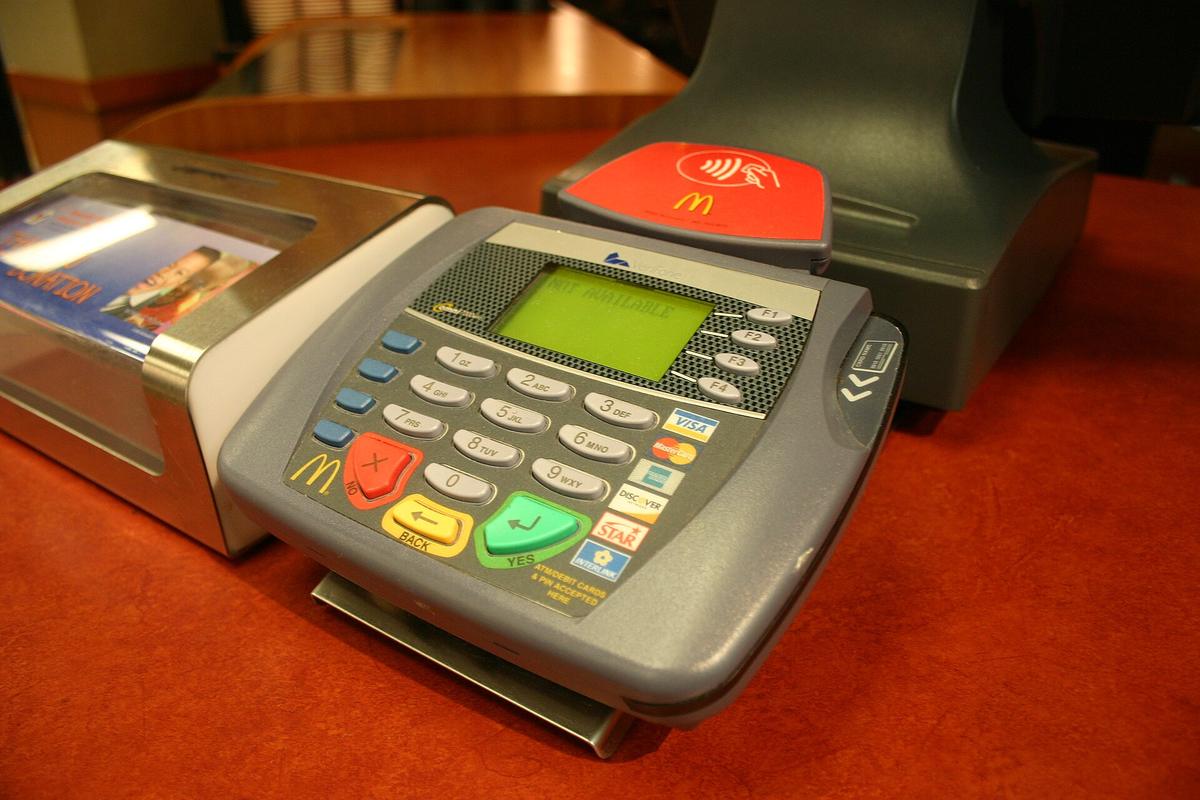
You do not need a thick wad of rand for your South Africa trip. In Cape Town, Johannesburg, and along the Garden Route, chip-and-PIN cards work everywhere: fuel stations, sit-down restaurants, supermarket tills, even many craft markets. Visa and Mastercard are near universal. Amex and Diners are accepted far less. Contactless tap to pay is common at urban retailers and fuel pumps. The idea that South Africa is a cash economy is wrong. Urban South Africa runs on plastic.
Cash is not dead, though. You need it for car guards, rural areas, and tips for petrol attendants. Keep small bills and coins for those moments. For everything else, use your card and reject the dynamic currency conversion (DCC) prompt at the terminal, which adds a 3% to 8% markup over the interbank rate. Always choose to pay in rand, not your home currency.

How Cash Works Here
Notes, Coins, and Exchange Rates
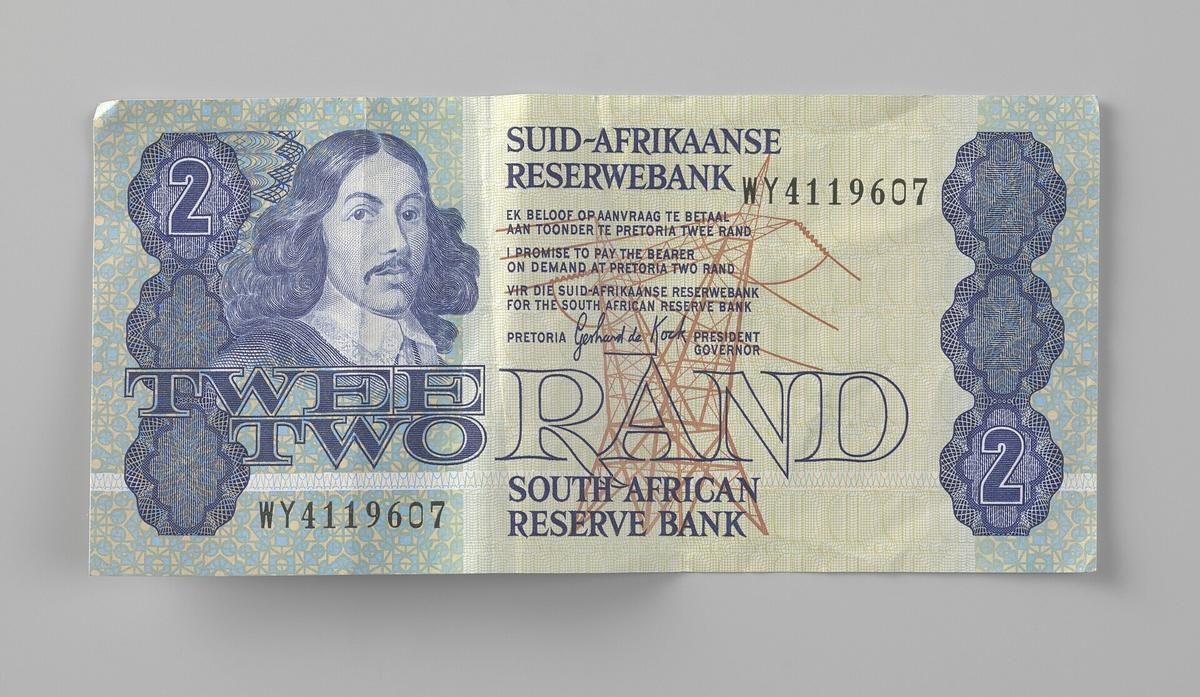
The South African rand (ZAR) comes in coins of 10c, 20c, 50c, R1, R2, and R5, and notes of R10, R20, R50, R100, and R200. At the annual approximate rate, R18 to R19 buys one US dollar, R19 to R21 buys one euro, and R23 to R25 buys one British pound. Those rates shift, so check the day you travel.
ATMs and Card Payments
ATMs from Standard Bank, FNB, Nedbank, Absa, and Capitec are plentiful in cities. The fee for a foreign card withdrawal runs R25 to R75 per transaction, depending on the South African bank and your home bank. Use ATMs inside shopping malls during daylight hours to reduce skimming and robbery risk. Do not use a street side machine after dark. If your card gets eaten or the machine glitches at 1am, you are stuck until morning. Mall ATMs with security guards are the safe option.
Some small shops impose a minimum spend of R10 to R50 for card payments. Informal traders, township spaza shops, and craft market stalls are cash only. Keep a R50 note folded in a separate pocket for those moments. Petrol stations in cities take cards, but rural stations may not. When you fill up in a remote town, ask before you pump.
Tipping Norms: Who Gets What
Restaurants and Bars
Tip 10% to 15% of the bill total at restaurants. For groups of six or more, an automatic service charge sometimes appears on the bill. Check before you add extra. If service is poor, leave nothing. South Africans do not tip for bad service.
Car Guards
This is the one that catches visitors off guard. Unofficial attendants in reflective vests will approach your parked car in cities, towns, and at some tourist sites. They do not work for the establishment. They expect a tip for watching your car. Hand over R2 to R10, depending on location and how long you parked. Keep R5 and R10 coins in your centre console or pocket. If you have no small change, they will still stand there and wait. Do not ignore them; they can be aggressive. Pay the R5 and move on.
Petrol Attendants
At fuel stations, attendants pump your petrol, check your oil, and clean your windscreen. Tip R5 to R20 for the service. R10 is standard for a windscreen wipe and tyre pressure check. If they do nothing beyond filling the tank, R5 is fine.
Safari Guides and Trackers
On a private reserve, tip the ranger R100 to R200 per guest per day and the tracker R50 to R100 per guest per day. For a half day registered tour guide in a city, tip R50 to R100 per person. A full day city guide gets R100 to R200 per person.
Hotel Porters
R10 to R20 per bag. If the porter carries nothing, tip nothing.

VAT Refunds and Mobile Payments
Claiming VAT Back
South Africa charges 15% VAT on most goods. If you buy tangible goods to take home, you can claim the VAT back at the airport. Each receipt must total at least R250. Services, accommodation, and meals do not qualify. At OR Tambo, Cape Town International, or King Shaka airports, visit the VRA (VAT Refund Agency) counter before you check your bags. You need the original tax invoice, the goods available for inspection, your passport, and your boarding pass. The agency deducts an administration fee from the refund. Factor that in.
Paying by Phone
Mobile payment apps SnapScan and Zapper work where you see their QR codes. Apple Pay and Google Pay work at any terminal that supports contactless. You can leave your wallet in the hotel safe for most city transactions, but keep emergency cash on you.
Common Questions
How much cash should I carry for a 10 day trip to South Africa?
Keep small bills and coins for car guards, rural purchases, and tips for petrol attendants. Everything else you pay by card.
Do I need to tip car guards, and how much?
Yes. Car guards are not employed by the establishment; they work for tips. Give R2 to R10 depending on location and how long you parked. Keep R5 coins ready.
Can I use my credit card at petrol stations in rural areas?
Not always. Urban stations accept cards. Some rural stations are cash only. Ask before the attendant starts pumping. Keep cash for fuel emergencies.
What is the ATM fee for foreign cards in South Africa?
R25 to R75 per withdrawal, depending on the South African bank and your home bank. Use mall ATMs during daylight to reduce fees and risk.
Should I accept the dynamic currency conversion (DCC) offer at the terminal?
No. DCC adds a 3% to 8% markup. Always choose to pay in rand (ZAR), not your home currency.
Read next
-
 Best Time to Visit South Africa by Region and Season
South Africa's seasons are inverted, and the Cape's winter rain is opposite the rest of the country. Here's how to time your trip.
Best Time to Visit South Africa by Region and Season
South Africa's seasons are inverted, and the Cape's winter rain is opposite the rest of the country. Here's how to time your trip.
-
 Getting Around South Africa, Why Self-Drive Beats Flying
Self-driving is the best way to see the Cape and Garden Route, but long distances and Gauteng's e-toll system can surprise first-time visitors.
Getting Around South Africa, Why Self-Drive Beats Flying
Self-driving is the best way to see the Cape and Garden Route, but long distances and Gauteng's e-toll system can surprise first-time visitors.
-
 South Africa Visa Rules and Passport Requirements for Tourists
Most Western passport holders get 90 days visa-free in South Africa, but the rules on blank pages and traveling with children are strict.
South Africa Visa Rules and Passport Requirements for Tourists
Most Western passport holders get 90 days visa-free in South Africa, but the rules on blank pages and traveling with children are strict.
-
 South Africa Safety Advice, Honest Precautions for Visitors
South Africa demands constant situational awareness. This is the honest guide to staying safe without missing the beauty.
South Africa Safety Advice, Honest Precautions for Visitors
South Africa demands constant situational awareness. This is the honest guide to staying safe without missing the beauty.
-
 South Africa Trip Cost, Daily Budgets in Rand at Three Levels
South Africa offers value-seeking luxury, but costs vary wildly between a backpacker dorm and a private game lodge. Here are the daily numbers.
South Africa Trip Cost, Daily Budgets in Rand at Three Levels
South Africa offers value-seeking luxury, but costs vary wildly between a backpacker dorm and a private game lodge. Here are the daily numbers.
-
 South Africa Public Holidays and School Holiday Price Swings
South African school holidays move prices more than public holidays do. See which weeks triple accommodation costs and gridlock the coast.
South Africa Public Holidays and School Holiday Price Swings
South African school holidays move prices more than public holidays do. See which weeks triple accommodation costs and gridlock the coast.
-
 Western Cape
The Western Cape works best as four separate road trips, not one rushed loop. Here is how to split the province without spending every day behind a windscreen.
Western Cape
The Western Cape works best as four separate road trips, not one rushed loop. Here is how to split the province without spending every day behind a windscreen.
-
 Cape Town vs Johannesburg Which City for Your Days
Which South African city to spend your limited days in, refereed without false neutrality.
Cape Town vs Johannesburg Which City for Your Days
Which South African city to spend your limited days in, refereed without false neutrality.