What a Trip to South Africa Costs
South Africa offers value-seeking luxury, but costs vary wildly between a backpacker dorm and a private game lodge. Here are the daily numbers.
What a Trip to South Africa Actually Costs in Rand
Most travellers assume a South Africa trip cost runs similar to a European holiday. The opposite is true. You get high-end experiences here for 30 to 50 percent less than the equivalent in the Eurozone or the UK. A three-course dinner with wine at a top Cape Winelands estate runs ZAR 350, 600, not EUR 80. A double room in a private game lodge costs ZAR 2,500, 5,000 per night, not USD 400. The catch is that you pay in logistics: long driving days, load-shedding delays, and constant awareness of your surroundings. Budget right and you get value that no other safari destination matches.
Three Daily Budgets in South African Rand
These totals cover one person for a full day: accommodation, three meals, one attraction, local transport, and one drink. They do not include car hire, petrol, or long-distance flights.
Budget Daily Total: ZAR 1,200, 1,800 (USD 65, 100)
You sleep in a hostel dorm bed at ZAR 250, 450 per night. Breakfast is a coffee (ZAR 30, 45) and a pastry from a supermarket. Lunch is a Gatsby roll from a Cape Town takeaway for under ZAR 90. Dinner is a self-catered meal from a grocery store. One local beer (ZAR 35, 60) fits. You use Uber for one short ride (ZAR 80, 250) or walk. Entry to a major attraction like the Apartheid Museum costs ZAR 100, 400. This works for backpackers and road-trippers who cook at campsites. The failure case: you skip a day on the Garden Route because you underestimate petrol costs at ZAR 22.50, 24.50 per litre and the distance between Wilderness and Plettenberg Bay.
Mid-Range Daily Total: ZAR 2,500, 4,500 (USD 140, 250)
You stay in a guesthouse double at ZAR 900, 1,800 per night, splitting the cost with a partner. Breakfast is included. Lunch is a wine tasting (ZAR 80, 200) with a cheese platter. Dinner at a mid-range restaurant with a glass of wine costs ZAR 350, 600. One ride-hailing trip across the city (ZAR 80, 250) covers a museum visit. You can afford a full-day self-drive along Chapman's Peak to Cape Point and Boulders Beach, paying ZAR 100, 400 in entry fees. This is the sweet spot for couples who want a safari plus Winelands without luxury lodge prices. The common mistake: booking a guesthouse in Franschhoek without a car and spending ZAR 200 each way on Ubers to estate lunches.
Comfortable Daily Total: ZAR 6,000, 10,000 (USD 330, 550)
You sleep in an upper-mid hotel double at ZAR 2,500, 5,000 per night. Breakfast is included. Lunch is a multicourse meal at a Stellenbosch estate, with wine pairings. Dinner is fine dining at a Franschhoek restaurant; expect ZAR 600 per person with wine. You hire a private guide for a day in the Kruger Private Reserves (Sabi Sand or Timbavati). You book a helicopter transfer from Cape Town to the Winelands to skip the 45-minute drive. This is the value-seeking luxury angle: the same dinner would cost twice as much in Napa or Tuscany. The failure case: you book a private game lodge for three nights but arrive during mid-December to early January, when rates triple and the coastal towns are gridlocked.
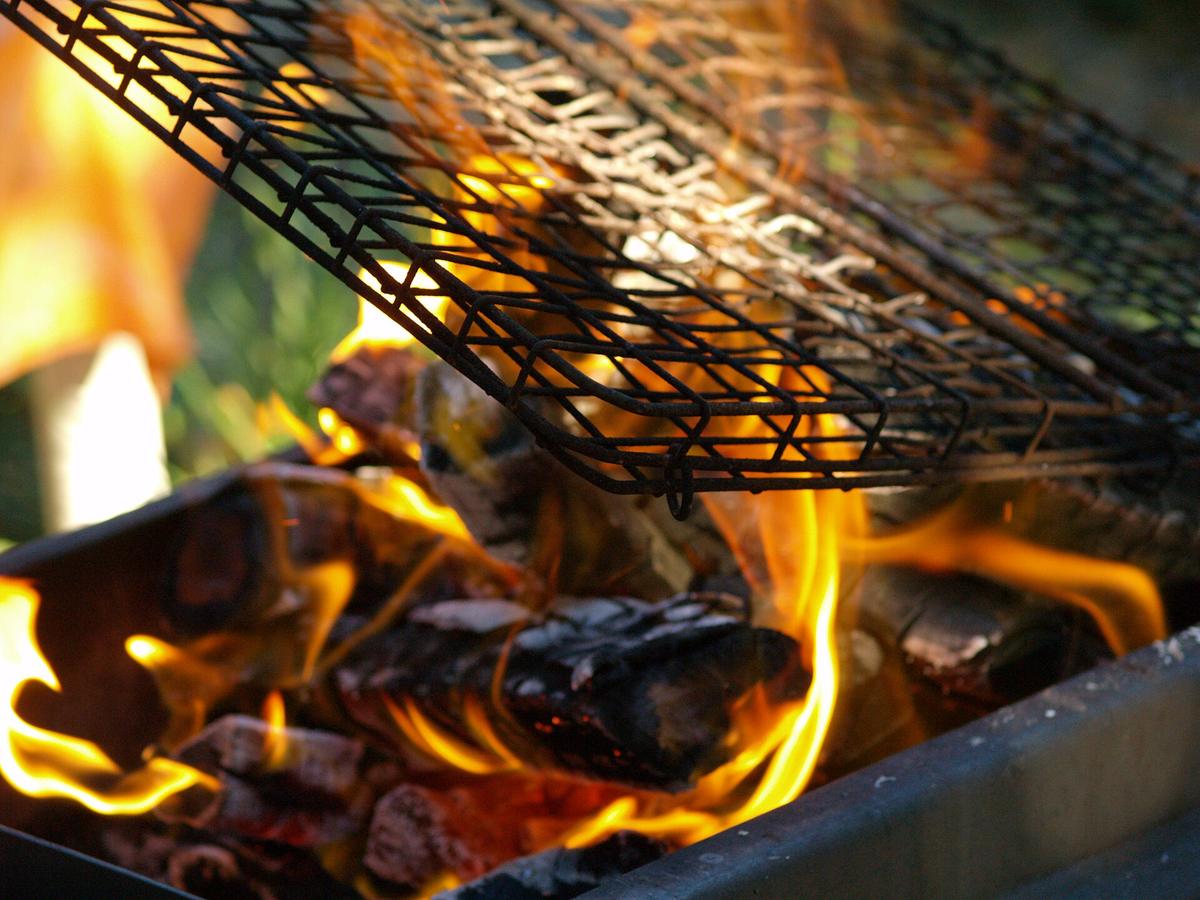

Where Your Money Goes: Key Costs Compared to Europe
Food and drink in South Africa run 40, 60 percent cheaper than the same standard in Europe. Accommodation is 30, 50 percent cheaper. Car hire is 20, 40 percent cheaper. Petrol is 25, 40 percent cheaper per litre. The one exception is long-distance internal flights: Johannesburg to Cape Town is not cheaper than a similar European route; it is similar or higher on key routes. So fly only when the drive is prohibitive, like the 2.5-hour flight from Kruger to Cape Town. Budget a full day for that transfer: the 2-hour drive to the airport, the flight, and the time zone shift will eat your morning.
Fuel and Parking Costs
Petrol costs ZAR 22.50, 24.50 per litre. A full tank in a compact SUV runs roughly ZAR 800, 1,000. The Garden Route from Cape Town to Port Elizabeth is about 750 km; budget ZAR 1,200 in fuel one way. Cash for car guards is a recurring expense: keep ZAR 5, 10 coins in your cupholder for the reflective-vest attendants who demand tips at every parking lot.
One Thing That Trips Up Every Budget
Underestimate the distance between regions and you will hemorrhage money on last-minute flights or rushed car rentals. A 10-day minimum is the floor: anything less short-changes either a safari area or Cape Town. The single most practical step is to pick two regions, not three. Choose Kruger plus Cape Town, or Cape Town plus the Garden Route. Then book your car hire and accommodation before you leave. The failure case is arriving at O.R. Tambo International and realizing your itinerary requires a 5-hour drive to a Pilanesberg lodge on the same day you land, with no time to buy a prepaid SIM or adjust to load-shedding.
Common Questions
What is the cheapest way to see the Big Five in South Africa?
Self-drive in Kruger National Park. Pay the ZAR 100, 400 entry fee per person, book a rest camp chalet for ZAR 900, 1,800 per night, and drive the tar and gravel roads from sunrise. You skip the private reserve fees of ZAR 2,500, 5,000 per night. The trade-off is less density of sightings and no off-road driving.
How much cash should I carry per day?
ZAR 200, 500 for car guards, tips, and small purchases at rural stalls. Credit cards work at fuel stations, tolls, and most restaurants, but your card must have a chip and PIN. Do not rely on ATMs in Kruger rest camps; they often run out of cash.
Is it cheaper to book a safari package or do it independently?
Independent is cheaper for Kruger self-drives. Package deals in the private reserves (Sabi Sand, Timbavati) include guiding, meals, and game drives; those are not cheaper but offer better value per rand spent because you pay ZAR 6,000, 10,000 per day for an all-inclusive experience that would cost double in Botswana or Kenya.
What is the biggest hidden cost on a South Africa trip?
Domestic flights and transfer time. Flying from Kruger Mpumalanga Airport to Cape Town costs ZAR 1,500, 3,000 one-way and burns an entire day. Most itineraries try to combine Kruger, Cape Town, and the Garden Route in 10 days and end up losing two full days to transit.
Can I save money by visiting in the off-season?
Yes, but avoid June, August in Cape Town if you want clear skies for Table Mountain; the wind and rain often close the cableway. The best off-season value is May or September: lower accommodation rates, fewer crowds, and still good game viewing in Kruger during the dry season.
Read next
-
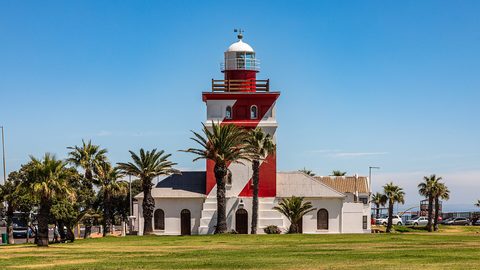
 Best Time to Visit South Africa by Region and Season
South Africa's seasons are inverted, and the Cape's winter rain is opposite the rest of the country. Here's how to time your trip.
Best Time to Visit South Africa by Region and Season
South Africa's seasons are inverted, and the Cape's winter rain is opposite the rest of the country. Here's how to time your trip.
-
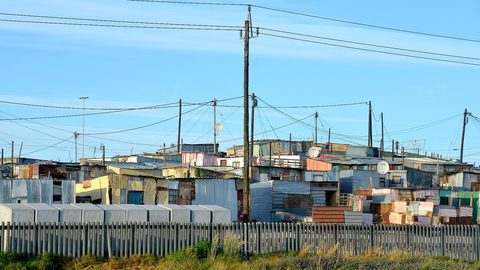 Getting Around South Africa, Why Self-Drive Beats Flying
Self-driving is the best way to see the Cape and Garden Route, but long distances and Gauteng's e-toll system can surprise first-time visitors.
Getting Around South Africa, Why Self-Drive Beats Flying
Self-driving is the best way to see the Cape and Garden Route, but long distances and Gauteng's e-toll system can surprise first-time visitors.
-
 South Africa Visa Rules and Passport Requirements for Tourists
Most Western passport holders get 90 days visa-free in South Africa, but the rules on blank pages and traveling with children are strict.
South Africa Visa Rules and Passport Requirements for Tourists
Most Western passport holders get 90 days visa-free in South Africa, but the rules on blank pages and traveling with children are strict.
-
 South Africa Money Guide, Rand, Cards, and Tipping Norms
Cards work almost everywhere in South Africa, but you'll need small cash for car guards and rural stops. Here's what a day costs and what to tip.
South Africa Money Guide, Rand, Cards, and Tipping Norms
Cards work almost everywhere in South Africa, but you'll need small cash for car guards and rural stops. Here's what a day costs and what to tip.
-
 South Africa Safety Advice, Honest Precautions for Visitors
South Africa demands constant situational awareness. This is the honest guide to staying safe without missing the beauty.
South Africa Safety Advice, Honest Precautions for Visitors
South Africa demands constant situational awareness. This is the honest guide to staying safe without missing the beauty.
-
 South Africa Public Holidays and School Holiday Price Swings
South African school holidays move prices more than public holidays do. See which weeks triple accommodation costs and gridlock the coast.
South Africa Public Holidays and School Holiday Price Swings
South African school holidays move prices more than public holidays do. See which weeks triple accommodation costs and gridlock the coast.
-
 Western Cape
The Western Cape works best as four separate road trips, not one rushed loop. Here is how to split the province without spending every day behind a windscreen.
Western Cape
The Western Cape works best as four separate road trips, not one rushed loop. Here is how to split the province without spending every day behind a windscreen.
-
 Cape Town vs Johannesburg Which City for Your Days
Which South African city to spend your limited days in, refereed without false neutrality.
Cape Town vs Johannesburg Which City for Your Days
Which South African city to spend your limited days in, refereed without false neutrality.