Staying Safe in South Africa
South Africa demands constant situational awareness. This is the honest guide to staying safe without missing the beauty.
Is South Africa Safe for Tourists?
You pull up to a traffic light in Johannesburg at 3pm. It is dead. No power. No grid. The intersection becomes a four way free for all, and the car behind you has already stopped too close to your bumper. This is load shedding. This is the moment when safety stops being a guidebook chapter and becomes a decision you make every few minutes.
South Africa delivers raw, dramatic landscapes and world class wildlife, but the gap between glossy lodge brochures and the visible inequality and security precautions required on the ground hits first time visitors harder than expected. It is a place of immense beauty that demands constant situational awareness. It is not a carefree beach and safari blend. The question is not whether South Africa is safe for tourists. The question is whether you will follow the specific, practical precautions that make it safe for you. What follows are exactly those precautions, without lurid stories or vague warnings.

The Numbers You Need to Know
South Africa has a murder rate of 45 per 100,000 people (2022/2023 police data). Robbery with aggravating circumstances exceeds 140,000 incidents per year. Carjackings top 22,000 per year. Those numbers are high. But they are not distributed evenly. Risk can vary by a factor of 10 or more between adjacent suburbs. Over 30% of murders occur in just 10 township police precincts. The police station area with the highest murder count is Nyanga, Cape Town. The highest robbery count is Johannesburg Central. The province with the highest murder rate is Eastern Cape. The lowest is Limpopo.
Violent street crime peaks between 18:00 and 23:00. Robbery peaks on Friday and Saturday nights. The most common robbery location is residential driveways at arrival and departure. The most common carjacking location is residential driveways and intersections. The most common crime at traffic lights is smash and grab of phones, bags, and laptops from the passenger seat. The most common phone related crime is snatching from your hand while you walk or through an open car window. You need to internalise these patterns, not to be afraid, but to make them irrelevant to your trip.
Where to Stay and Where Not to Walk
Johannesburg's Security Bubble
Sandton in Johannesburg is a security bubble. It is Africa's corporate powerhouse, with upscale malls, high fencing, and private security patrols. You can walk inside the mall and between hotels on the same block during daylight. You cannot walk from Sandton to the Johannesburg CBD after dark. That is a rule. The central business district in Johannesburg, Durban, and Pretoria is routinely advised against independent entry after dark. The same goes for Hillbrow, Berea, Yeoville, and Joubert Park in Johannesburg at any time. Sunnyside in Pretoria after dark is not advised. Durban Point area after dark is not advised.
Cape Town's Walkable Core
Cape Town's city bowl is compact and walkable during the day. The V&A Waterfront is polished, tourist oriented, and patrolled. The Atlantic Seaboard from Green Point to Hout Bay is glamorous but still requires awareness after dark. Do not walk alone on any city street after 22:00. Do not walk with your phone in your hand. Do not leave a bag visible on the passenger seat of a parked car. Smash and grab at traffic lights is a 5 second event. Keep your windows up and doors locked. Keep your phone and bag on the floor or in the boot.
| Factor | What You Need To Know |
|---|---|
| Peak hours | Violent street crime peaks 18:00 to 23:00. Robbery peaks Friday and Saturday nights. |
| Most common location | Residential driveways at arrival and departure. Also intersections and traffic lights. |
| Carjacking hot spots | Residential driveways and intersections. 22,000+ incidents per year. |
| Smash and grab target | Visible valuables on passenger seat. Laptops, bags, sunglasses, phone chargers, loose cash. |
| ATM crime | Card skimming, shoulder surfing, and 'helpful stranger' distraction theft. Rigged ATMs that retain cards. |
| Scams to watch for | Fake police officers requesting fines or passport checks. 'Free' tour guides at airports or landmarks demanding payment. Card cloning at restaurants and petrol stations. Fake accommodation listings online. |
| Areas to avoid without a guide | CBD after dark in Johannesburg, Durban, Pretoria. Hillbrow, Berea, Yeoville, Joubert Park at any time. Sunnyside (Pretoria) after dark. Durban Point after dark. Informal settlements and townships without a local guide. |
Load Shedding, Car Guards and the Daily Reality
When the Power Goes Out
Load shedding means scheduled blackouts up to 10 hours daily. Traffic lights go dead at major intersections. Treat every dead traffic light as a four way stop. Watch the other drivers. Do not assume they will stop. Keep a power bank charged for your phone. If you are staying in an Airbnb, confirm there is a gas stove backup or a power inverter. The thing that trips visitors up is arriving at a restaurant during a blackout and finding the kitchen cannot cook. Call ahead.
Car Guards and the Wind
Car guards are unofficial attendants in reflective vests who will aggressively demand tips for watching your parked car. Keep small coins ZAR 5 to ZAR 10 ready. Pay them when you return. If you do not, they may damage your car. This is not a scam. It is a de facto local system. Treat it as a cost of parking.
The Cape Doctor, the southeaster wind, can gust 60 to 80 km/h for days. It makes coastal walks miserable and closes the Table Mountain cableway without notice. Check the wind forecast before you book cableway tickets. Book tickets online in advance anyway; the queue at the lower station can exceed 90 minutes in peak season.
Township Tours and the Right Way to Visit
Do not drive into a township alone. Do not walk into an informal settlement without a guide. The areas routinely advised against independent entry include informal settlements and townships without a local guide. But you should visit a township. It is one of the most rewarding experiences in the country. The solution is a guided tour.
Soweto in Johannesburg has guided bicycle or tuk tuk tours that start from Vilakazi Street, the only street in the world to produce two Nobel laureates. Langa in Cape Town has Imbizo Tours. Umlazi in Durban has tours through Durban Tourism. A guided tour costs roughly ZAR 400 to ZAR 800 per person for a half day. It includes transport, a local guide, and often a meal. It is safe, respectful, and gives you context you cannot get from a car window.
Common Questions
Is South Africa safe for tourists right now?
Yes, if you follow the precautions set out here. The crime numbers are high but concentrated in specific areas and times. Tourists who stay in secure accommodation, avoid walking alone after dark, keep valuables out of sight, and use guided tours for townships have a safe trip. The risk is manageable, not random.
What should I do if a traffic light is dead?
Treat it as a four way stop. Slow down, make eye contact with other drivers, and proceed when it is clear. Keep your doors locked and windows up. Do not stop to use your phone. If the intersection is chaotic, take the next turn and find a different route.
How much do I tip a car guard?
ZAR 5 to ZAR 10 in small coins. Keep the coins in your door pocket or a separate pouch. Pay when you return to the car. If you have no change, say you will get it next time, but they will remember. It is better to have the coins ready.
Can I walk around Cape Town city centre at night?
Not alone. The city bowl is compact and walkable during the day. After 22:00, take an Uber. The V&A Waterfront is safer but still not recommended for solo walking after midnight. Use the same rule for all South African cities: do not walk alone after dark in any city centre.
Is tap water safe to drink in South Africa?
Yes in major cities: Johannesburg, Cape Town, Pretoria, Durban, Bloemfontein. No in rural areas, informal settlements, and some Garden Route towns. The Blue Drop water quality certification rate is only 50% of municipal water systems, and 15+ municipalities were flagged in the latest report. When in doubt, buy bottled water.
What do I do if I am robbed?
Do not resist. Hand over the item. Your phone, wallet, or bag is not worth your safety. After the incident, move to a safe public place and call the police emergency number 10111. For an ambulance, call 10177 (public) or Netcare 911 on 082 911 or ER24 on 084 124. Contact your travel insurance provider as soon as possible. You will need a police case number for the claim.
Should I avoid townships entirely?
No. You should visit a township with a guided tour. Soweto Guided Tours, Imbizo Tours in Langa, and Umlazi tours through Durban Tourism are reputable. A guided tour costs ZAR 400 to ZAR 800 for a half day. Do not drive in alone. Do not walk in alone. The risk is in independent entry, not in visiting.
Read next
-
 Best Time to Visit South Africa by Region and Season
South Africa's seasons are inverted, and the Cape's winter rain is opposite the rest of the country. Here's how to time your trip.
Best Time to Visit South Africa by Region and Season
South Africa's seasons are inverted, and the Cape's winter rain is opposite the rest of the country. Here's how to time your trip.
-
 Getting Around South Africa, Why Self-Drive Beats Flying
Self-driving is the best way to see the Cape and Garden Route, but long distances and Gauteng's e-toll system can surprise first-time visitors.
Getting Around South Africa, Why Self-Drive Beats Flying
Self-driving is the best way to see the Cape and Garden Route, but long distances and Gauteng's e-toll system can surprise first-time visitors.
-
 South Africa Visa Rules and Passport Requirements for Tourists
Most Western passport holders get 90 days visa-free in South Africa, but the rules on blank pages and traveling with children are strict.
South Africa Visa Rules and Passport Requirements for Tourists
Most Western passport holders get 90 days visa-free in South Africa, but the rules on blank pages and traveling with children are strict.
-
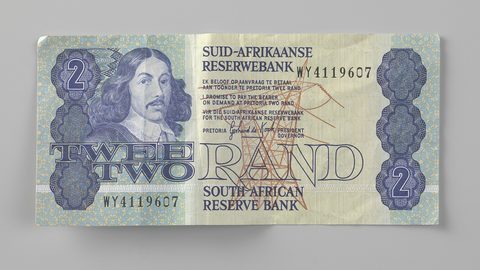 South Africa Money Guide, Rand, Cards, and Tipping Norms
Cards work almost everywhere in South Africa, but you'll need small cash for car guards and rural stops. Here's what a day costs and what to tip.
South Africa Money Guide, Rand, Cards, and Tipping Norms
Cards work almost everywhere in South Africa, but you'll need small cash for car guards and rural stops. Here's what a day costs and what to tip.
-
 South Africa Trip Cost, Daily Budgets in Rand at Three Levels
South Africa offers value-seeking luxury, but costs vary wildly between a backpacker dorm and a private game lodge. Here are the daily numbers.
South Africa Trip Cost, Daily Budgets in Rand at Three Levels
South Africa offers value-seeking luxury, but costs vary wildly between a backpacker dorm and a private game lodge. Here are the daily numbers.
-
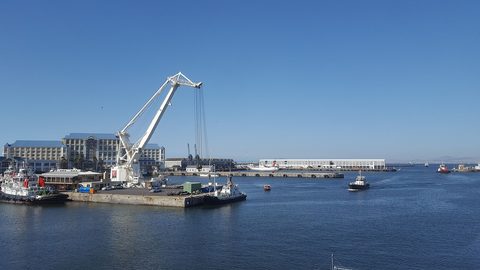 South Africa Public Holidays and School Holiday Price Swings
South African school holidays move prices more than public holidays do. See which weeks triple accommodation costs and gridlock the coast.
South Africa Public Holidays and School Holiday Price Swings
South African school holidays move prices more than public holidays do. See which weeks triple accommodation costs and gridlock the coast.
-
 Western Cape
The Western Cape works best as four separate road trips, not one rushed loop. Here is how to split the province without spending every day behind a windscreen.
Western Cape
The Western Cape works best as four separate road trips, not one rushed loop. Here is how to split the province without spending every day behind a windscreen.
-
 Cape Town vs Johannesburg Which City for Your Days
Which South African city to spend your limited days in, refereed without false neutrality.
Cape Town vs Johannesburg Which City for Your Days
Which South African city to spend your limited days in, refereed without false neutrality.