The Table Mountain Cableway Closes on Wind. Here Is How to Plan Around It.
The Table Mountain cableway closes on wind, often for days in summer. Plan with a live forecast, flexible tickets, and a backup day.
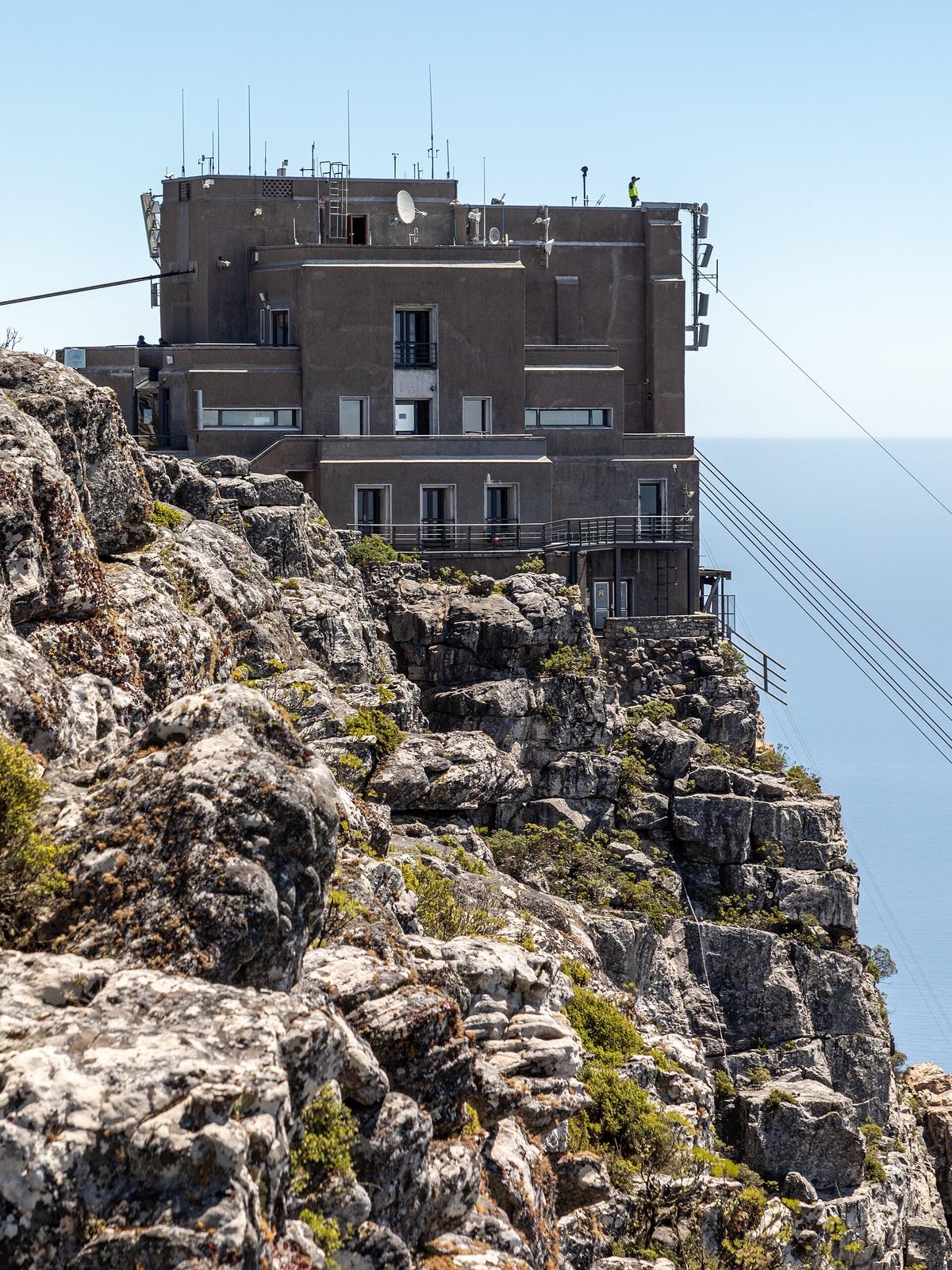
,_Table_Mountain,_Seilbahn,_Bergstation_--_2024_--_2850.jpg)
The Table Mountain Cableway Closes on Wind. Here is How to Plan Around It.
The Table Mountain cableway shuts for wind on roughly 30 to 40 percent of days each year. In summer, the South-Easter can gust 60 to 80 km/h for days at a time, grounding the rotating cable cars that carry 65 passengers up a 4- to 5-minute ride to the summit. This is not a rare inconvenience. It is the defining fact of a Table Mountain visit. Plan around it. Check the live wind forecast before you leave your hotel. Buy a ticket that does not penalise you for a closure. Keep a second plan for the same day. The mountain will still be there tomorrow. Your schedule may not be.
- Cableway Return Ticket Adult (Off-Peak, Online): ZAR 420
- Cableway Return Ticket Adult (Peak, Online): ZAR 440
- Cableway Return Ticket Child 4, 17 (Off-Peak, Online): ZAR 210
- Cableway Return Ticket Child 4, 17 (Peak, Online): ZAR 220
- Children Under 4: Free
- Ticket Validity: 7 days from selected date
- Cableway Wind Closure Threshold: Sustained wind above 35, 40 km/h
- Cableway Weather Closure Frequency: Closed on roughly 30, 40% of days per year
- First Ascent: 07:00
- Last Ascent: Varies by season, 17:30, 20:30
- Last Descent: Varies by season, 18:00, 21:30
- Annual Maintenance Closure: 2, 3 weeks, usually July, August
- Status Check Before Travel: Live banner at tablemountain.net, @TableMountainCa on X/Twitter, or +27 21 424 8181
- Queue Peak Times (Summer Nov, Mar): 10:00, 14:00, 1, 2 hour wait
- Queue Peak Times (Winter May, Aug): 09:00, 12:00
- Ride Duration: 4, 5 minutes, cabins rotate 360°
- Temperature Drop Summit vs City: 5, 10°C lower
- Summit Wind vs City: 2, 3 times stronger
Your Decision Framework: Three Steps Before You Go
Book your cableway ticket online at tablemountain.net. Do not buy at the gate. The online ticket is valid for seven days from your selected date, which means a Tuesday booking works through the following Monday. If the cableway shuts on the day you chose, your ticket stays active for the window. You do not lose your money. This is the single most important booking decision you will make.
Step One: Check the Live Wind Forecast
Check the status banner on tablemountain.net the morning of your visit. Also check @TableMountainCa on X/Twitter. The cableway closes when sustained wind passes 35 to 40 km/h. The summit wind is two to three times stronger than what you feel at the V&A Waterfront. A calm city street means nothing. A gusty signal from the mountain cam means cancel your cableway plan.
Step Two: Buy the Right Ticket
Buy an open-dated return ticket online. Off-peak adult is ZAR 420; peak adult is ZAR 440. Child tickets (ages 4 to 17) are ZAR 210 off-peak and ZAR 220 peak. Children under 4 ride free. The ticket is valid for seven days, so a Monday closure lets you try Tuesday. If the entire week is windy, the ticket is refundable through the same system. The mistake most visitors make is buying a fixed-date ticket from a third-party reseller that does not offer the seven-day window. Buy direct.
Step Three: Have a Same-Day Backup Plan
The Western Cape rewards travellers who stay flexible. If the cableway is closed, do not sit in your hotel. Drive the Cape Peninsula loop: Boulders Beach for the African penguin colony, Cape Point for the cliff walks, and Chapman's Peak Drive. That is a full day, 180 km by car. Or head to Kirstenbosch National Botanical Garden on Table Mountain's eastern slopes, where the mountain is visible even when the summit is socked in. If you are in the Winelands, the Franschhoek Wine Tram runs regardless of the wind. The backup plan is not a consolation prize. It is a better day than waiting in a cableway queue that never moves.
Hiking Up When the Cableway is Down
Platteklip Gorge is the direct hiking route up the mountain. It starts near the lower cable station on Tafelberg Road. The path is stone steps and rocky trail, 2.5 to 3 km one way, with 650 to 700 metres of elevation gain. Expect 1.5 to 3 hours up. It is moderate to hard, with no shade, no water on the route, and full sun exposure. Carry 1 to 2 litres per person. Wear closed shoes with grip, a windproof outer layer, a fleece or insulated mid-layer, and long trousers even in summer. The summit temperature is 5 to 10 degrees lower than the city, and the wind is two to three times stronger. The tablecloth cloud can form in 30 to 60 minutes, dropping visibility and temperature fast. Do not hike alone. Minimum group size is two to four people. In an emergency, call 10177 for an ambulance or 021 480 7700 for Table Mountain National Park emergencies.
Skeleton Gorge is the alternative route from the Kirstenbosch side. It is longer, steeper, and requires scrambling over boulders. It is not a casual substitute for the cableway. Either route is a serious climb. If you are not a regular hiker with appropriate gear, skip the hike and use your backup plan. The mountain is not going anywhere.
When to Queue, When to Skip, What to Pack
Arrive at the lower cable station by 08:30. First ascent is at 07:00, and the window before 10:00 is the quietest. Queue peak times in summer (November to March) run 10:00 to 14:00 with waits of one to two hours. In winter (May to August), peak queuing is 09:00 to 12:00. Off-peak waits are under 30 minutes. The last ascent varies by season between 17:30 and 20:30; the last descent follows 30 to 60 minutes later. The cableway is open all year except for the annual maintenance closure of two to three weeks, usually in July or August.
What to Pack
Pack a windproof outer layer, a fleece or insulated mid-layer, long trousers, SPF 30 to 50 sunscreen, and at least one litre of water per person. The summit is a working environment: cold, exposed, and capable of changing from clear to clouded in under an hour. The tablecloth cloud is not a photo opportunity. It is a visibility hazard that can strand hikers who wandered off the paved paths.
Who Should Skip the Cableway
Skip the cableway if you are on a tight schedule that cannot absorb a 30 to 40 percent chance of closure. Skip it if you are afraid of heights in an enclosed rotating cabin. Skip it if you dislike crowds. The summit view is extraordinary, but the waiting and the uncertainty is not worth it for a traveller with one day in Cape Town. Do the Peninsula loop instead. You will see the mountain from every angle without gambling a morning.

Common Questions
How often does the Table Mountain cableway close for wind?
The cableway closes on roughly 30 to 40 percent of days per year. The threshold is sustained wind above 35 to 40 km/h.
What happens to my pre-booked cableway ticket if it is closed?
Your online ticket is valid for seven days from your selected date. If the cableway shuts on your chosen day, the ticket remains active for that window. Refunds are available through the same system.
Where do I check if the cableway is running?
Check the live status banner at tablemountain.net, @TableMountainCa on X/Twitter, or call +27 21 424 8181.
How long is the wait to ride the cableway?
At peak times in summer (10:00 to 14:00), expect one to two hours. Off-peak waits are under 30 minutes.
Is hiking up a good alternative if the cableway is closed?
Platteklip Gorge is the direct route: 2.5 to 3 km, 650 to 700 metres elevation gain, 1.5 to 3 hours up. It is a serious climb with no shade, no water, and full sun exposure. It is not a casual substitute. Only attempt it with proper gear and a group of two to four people.
How much does a cableway ticket cost?
Off-peak adult online is ZAR 420; peak adult is ZAR 440. Child tickets (ages 4 to 17) are ZAR 210 off-peak and ZAR 220 peak. Children under 4 are free.
What should I wear to the summit?
A windproof outer layer, a fleece or insulated mid-layer, long trousers, and closed shoes with grip. The summit is 5 to 10 degrees colder than the city, and wind is two to three times stronger. Bring SPF 30 to 50 sunscreen and one to two litres of water.
Read next
-
 Western Cape Hotels – From Vineyard Stays to Cliffside Guesthouses
Western Cape accommodation ranges from Winelands vineyard manors to clifftop guesthouses above the Whale Coast. Here is what your budget gets in each region.
Western Cape Hotels – From Vineyard Stays to Cliffside Guesthouses
Western Cape accommodation ranges from Winelands vineyard manors to clifftop guesthouses above the Whale Coast. Here is what your budget gets in each region.
-
 Where to Stay in the Western Cape – Which Town Matches Your Trip
Your choice of base town in the Western Cape shapes everything from driving times to wind exposure. Compare Cape Town, Stellenbosch, Hermanus, and Knysna side by side.
Where to Stay in the Western Cape – Which Town Matches Your Trip
Your choice of base town in the Western Cape shapes everything from driving times to wind exposure. Compare Cape Town, Stellenbosch, Hermanus, and Knysna side by side.
-
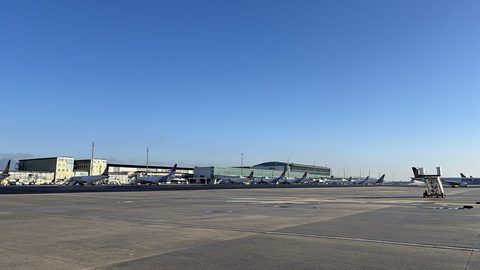 Flying Into Cape Town International and When Johannesburg Works
Flying into Cape Town International, what the airport transfer options are, and when Johannesburg or George Airport is the smarter entry point.
Flying Into Cape Town International and When Johannesburg Works
Flying into Cape Town International, what the airport transfer options are, and when Johannesburg or George Airport is the smarter entry point.
-
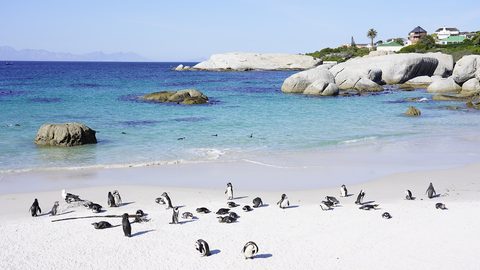 Things to Do in the Western Cape – Spending Limited Days Well
Not every Western Cape attraction earns its driving time. Here are the experiences that justify limited holiday days, from Table Mountain to the Knysna lagoon.
Things to Do in the Western Cape – Spending Limited Days Well
Not every Western Cape attraction earns its driving time. Here are the experiences that justify limited holiday days, from Table Mountain to the Knysna lagoon.
-
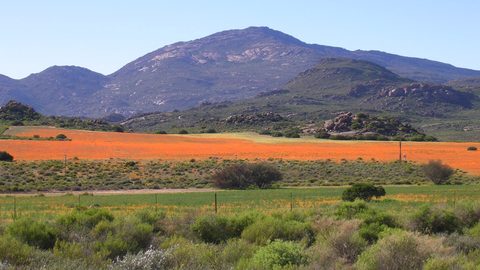 Best Time to Visit the Western Cape – Wind, Whales and Honest Months
The Western Cape's best month depends on your tolerance for wind, whales, or wildflowers. Here is an honest month-by-month breakdown, including when to avoid the coast entirely.
Best Time to Visit the Western Cape – Wind, Whales and Honest Months
The Western Cape's best month depends on your tolerance for wind, whales, or wildflowers. Here is an honest month-by-month breakdown, including when to avoid the coast entirely.
-
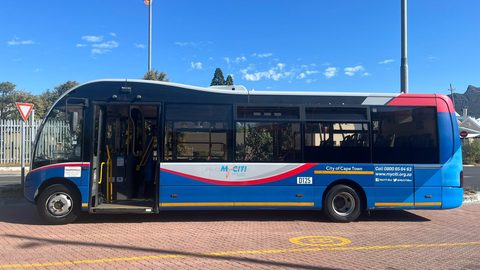 Getting Around the Western Cape – Airport Transfer and Why You Need a Car
Cape Town airport has a fast MyCiTi bus to the city, but beyond the City Bowl you will need a rental car. Here is why, and what Google Maps gets wrong about driving times.
Getting Around the Western Cape – Airport Transfer and Why You Need a Car
Cape Town airport has a fast MyCiTi bus to the city, but beyond the City Bowl you will need a rental car. Here is why, and what Google Maps gets wrong about driving times.
-
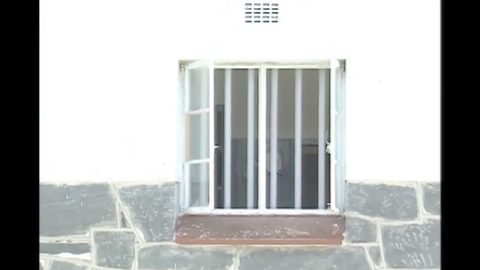 Robben Island
 ferry tickets sell out 2+ weeks ahead in peak season and still cancel for weather. Book early, keep the day flexible, know the refund policy.
Robben Island
Robben Island ferry tickets sell out 2+ weeks ahead in peak season and still cancel for weather. Book early, keep the day flexible, know the refund policy.
-
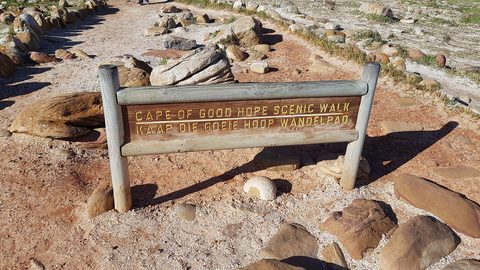 Cape Point
 is not the southernmost tip of Africa—Cape Agulhas is. Here is what Cape Point actually offers and why it is still worth the drive.
Cape Point
Cape Point is not the southernmost tip of Africa—Cape Agulhas is. Here is what Cape Point actually offers and why it is still worth the drive.
-
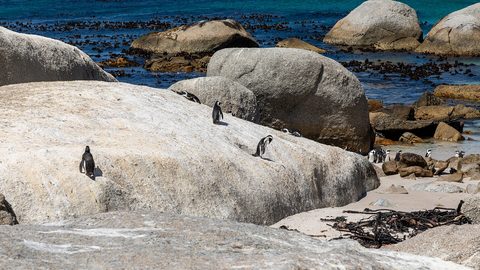 Boulders Beach
 has two entrances: one for boardwalk viewing, one for swimming. Most people pick wrong. Here is how to choose the right one.
Boulders Beach
Boulders Beach has two entrances: one for boardwalk viewing, one for swimming. Most people pick wrong. Here is how to choose the right one.