What Cape Point Actually Is, and Why It Is Not the Southernmost Tip of Africa
Cape Point is not the southernmost tip of Africa—Cape Agulhas is. Here is what Cape Point actually offers and why it is still worth the drive.
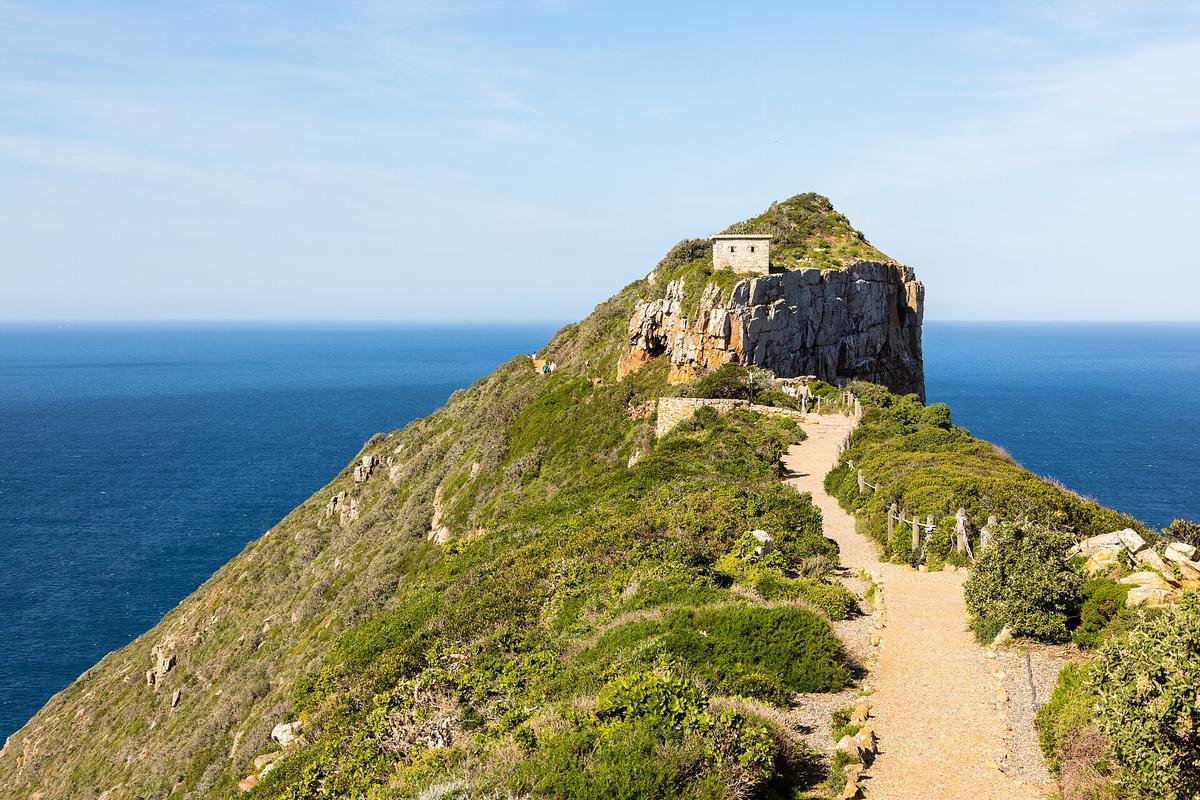
Cape Point is Not the Southernmost Tip of Africa. Here is What it Actually Is.
You arrive expecting to stand at the southernmost point of Africa. Cape Point is not that place. Cape Agulhas, 150 kilometers southeast, holds that title. The Indian and Atlantic Oceans meet at Agulhas, not here. Get that cleared up immediately, because it changes how you plan your day. Cape Point is still worth the drive, but for different reasons: a dramatic lighthouse perched 238 meters above the sea, cliffside paths that drop into swirling currents, and a landscape so exposed you feel the curve of the planet.
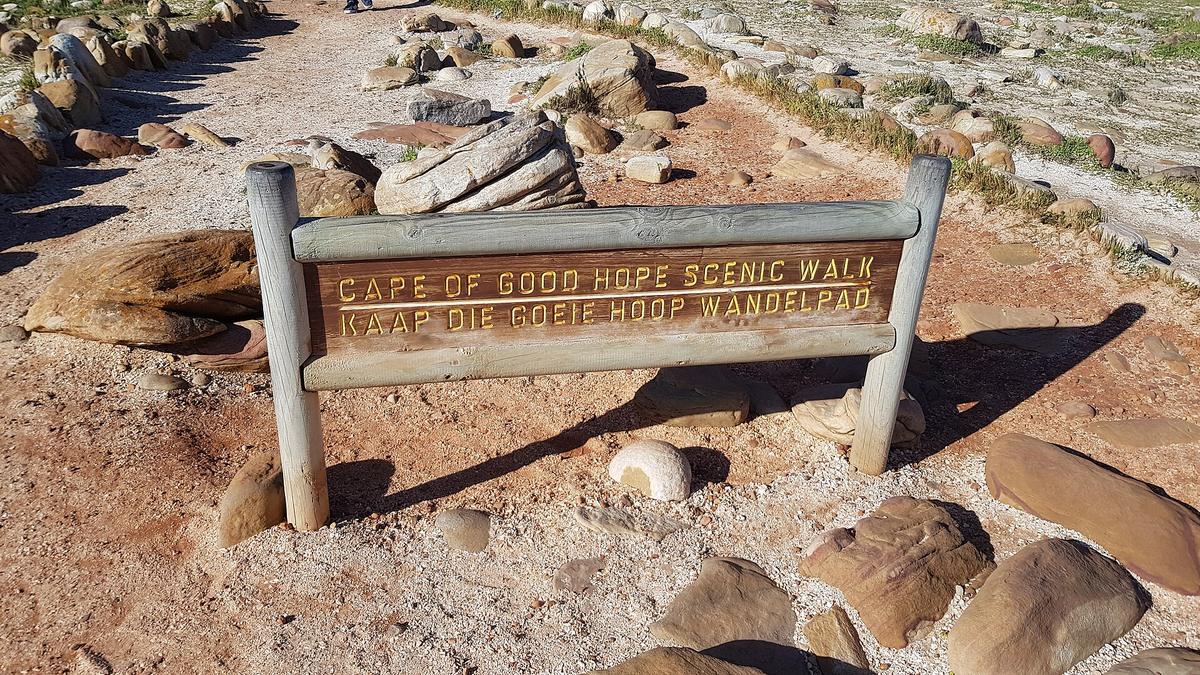
The confusion is understandable. The Cape of Good Hope, a rocky headland 1.5 kilometers west of Cape Point, was historically misnamed as the continent's tip. Colonial maps repeated the error. Neither Cape Point nor the Cape of Good Hope is the southernmost point. That fact is the only piece of history you need. Everything else is about what you actually do here.
- Location: Table Mountain National Park, 65 km south of Cape Town city centre. 1 hour 15 min to 1 hour 30 min drive.
- Park Entry Fee, Adult (International): R440 per person per day. SADC nationals R220. South African residents R110. Wild Card holders enter free.
- Park Entry Fee, Child (International): R220 per child. SADC nationals R110. South African residents R55.
- Park Gate Hours: Open 06:00 to 18:00 daily. Last entry at 17:00.
- Flying Dutchman Funicular: Return adult R95, child R50. One way adult R75, child R40. Operates 09:00 to 17:30.
- Walking Alternative: Paved footpath from lower car park to upper lighthouse, 700 meters, 15 to 20 minutes. Steep in sections.
- Recommended Time at Cape Point: 2 to 3 hours minimum. Full Peninsula loop drive with stops: 6 to 8 hours.
- Baboon Warning: Chacma baboons are habituated. No visible food. Keep vehicle windows closed and doors locked when unattended.
Why Cape Point Beats Cape Agulhas for Drama
Cape Agulhas is flat, scrubby, and anticlimactic. You get a marker, a low lighthouse, and a sense of satisfaction. Cape Point gives you a vertical cliff, two lighthouses, and the raw collision of the Benguela and Agulhas currents. The old lighthouse, built in 1859, sits 238 meters above sea level. It was decommissioned because ships mistook its high light for a star and crashed into the rocks. The new lighthouse, operational from 1919, sits lower on the cliff. You can see both from the upper viewing platform.
The Flying Dutchman Funicular hauls you 87 vertical meters in a three-minute ride over a 585 meter track. Buy a return ticket for R95. If you walk the paved footpath, budget 15 to 20 minutes and prepare for steep sections. At the top, the wind hits you immediately. The South-Easter can gust 60 to 80 km/h even on a clear summer day. Hold the railings. The view over False Bay and the Atlantic is worth the buffeting.
What To Skip At Cape Point
Skip the restaurant at the upper station unless you are desperate. The food is average and the prices are inflated. Bring a packed lunch and eat at one of the picnic spots near the lower parking area. Skip the gift shop. Skip the queue for a photo at the Cape of Good Hope sign marker if it is crowded; the same composition works from the contour path 50 meters away.
What Not To Skip
Walk the 1.5 kilometer contour path from Cape Point to the Cape of Good Hope. It takes 30 to 45 minutes one way. The path follows the cliff edge and you will see ostriches, bontebok, and if you are lucky, baboon troops moving through the fynbos. Do not stop to photograph the baboons. Do not eat near them. They will take your bag, your lunch, and your phone. The bite risk is high.
How to Do the Cape Peninsula Loop in One Day
The classic Cape Peninsula day drive runs 180 to 200 kilometers from Cape Town and back. Driving time without stops is 3.5 to 4 hours. With stops for Boulders Beach penguins, Cape Point, and Chapman's Peak Drive, expect 6 to 8 hours total. That is a full day. Do not try to add Stellenbosch or Hermanus to the same day. You will arrive at Cape Point at 15:00 and miss the light.
Start early. Leave Cape Town by 07:30. Head south on the M3 to Simon's Town, then continue to Boulders Beach. Spend 45 minutes on the boardwalk watching the African penguin colony. Then drive the remaining 25 kilometers to Cape Point, arriving around 09:30. The park is quietest before 10:00. Take the funicular up, walk the cliff paths, and be back at your car by noon. On the return leg, drive Chapman's Peak Drive. The toll for a light motor vehicle is R61. The road closes during high wind or rockfall risk, so check conditions before you go. It connects to Hout Bay and back to the Atlantic Seaboard for sunset at a beachside restaurant.
The Mistake Most Visitors Make
They underestimate the wind and the driving time. Google Maps says 1 hour 15 minutes from Cape Town to Cape Point. Add 30 percent. The road is winding, the traffic through Simon's Town backs up, and the park entrance queue on peak summer days can add 20 minutes. Budget 1 hour 30 minutes each way and you will not feel rushed. Also assume you will need a jacket. The Western Cape delivers sun, wind, and cold within the same hour.
West Coast rock lobster braai season runs November to April. If you time your drive right, stop in Simon's Town for a casual lunch of snoek braai or a Gatsby roll. Skip the formal sit-down restaurants on the Peninsula loop. They eat time.
| Feature | Cape Point | Cape Agulhas |
|---|---|---|
| Southernmost point of Africa? | No | Yes |
| Ocean meeting point? | Atlantic only | Indian and Atlantic officially meet here |
| Landscape | Dramatic cliffs, steep drop offs, fynbos | Low, flat coastline, scrub vegetation |
| Lighthouse view | 238 m above sea level, two lighthouses | Low lighthouse at sea level |
| Wildlife | Baboons, ostriches, bontebok, penguins nearby | Seabirds, occasional whales offshore |
| Driving time from Cape Town | 1 hour 15 min to 1 hour 30 min | 2 hours 30 min to 3 hours |
| Best for | Scenic drama, photography, half day trip | Geographic pride, quiet, full day trip |


Who Should Skip Cape Point
Skip Cape Point if you have only one day in Cape Town and do not have a rental car. The organized tours rush you through in 90 minutes. You will queue at the funicular, take one photo, and leave without hiking. Skip it if you dislike crowds. The upper platform on a December afternoon is shoulder to shoulder with selfie sticks. Skip it if your primary goal is to stand at the southernmost tip of Africa. Drive to Cape Agulhas instead. It is quieter, cheaper, and geographically honest.
If you have two or more days in Cape Town and a car, Cape Point is unmissable. Arrive by 08:30 to have the upper lighthouse almost to yourself. The light is better for photography before 10:00, and the wind picks up after midday. Bring a windproof jacket, sunscreen, and a sealed water bottle. Leave food locked in your car boot.
Common Questions
Is Cape Point the southernmost tip of Africa?
No. Cape Agulhas, 150 km southeast, is the southernmost tip. Cape Point is the southwestern corner of the Cape Peninsula. The error comes from historical maps mislabeling the Cape of Good Hope.
How much time do I need at Cape Point?
Budget 2 to 3 hours minimum. That covers the funicular ride, both lighthouse views, the Cape of Good Hope contour walk, and a short break. Add 30 minutes if you want to hike further.
Can I see penguins at Cape Point?
No. The African penguin colony is at Boulders Beach in Simon's Town, 25 km north. Combine both in the same day. Visit Boulders Beach first, then Cape Point.
Is the Flying Dutchman Funicular worth the money?
Yes, if you have limited time or mobility issues. The walk is steep and the funicular saves 15 minutes each way. No, if you want the exercise. The paved path offers better photo opportunities.
Read next
-

 Western Cape Hotels – From Vineyard Stays to Cliffside Guesthouses
Western Cape accommodation ranges from Winelands vineyard manors to clifftop guesthouses above the Whale Coast. Here is what your budget gets in each region.
Western Cape Hotels – From Vineyard Stays to Cliffside Guesthouses
Western Cape accommodation ranges from Winelands vineyard manors to clifftop guesthouses above the Whale Coast. Here is what your budget gets in each region.
-
 Where to Stay in the Western Cape – Which Town Matches Your Trip
Your choice of base town in the Western Cape shapes everything from driving times to wind exposure. Compare Cape Town, Stellenbosch, Hermanus, and Knysna side by side.
Where to Stay in the Western Cape – Which Town Matches Your Trip
Your choice of base town in the Western Cape shapes everything from driving times to wind exposure. Compare Cape Town, Stellenbosch, Hermanus, and Knysna side by side.
-
 Flying Into Cape Town International and When Johannesburg Works
Flying into Cape Town International, what the airport transfer options are, and when Johannesburg or George Airport is the smarter entry point.
Flying Into Cape Town International and When Johannesburg Works
Flying into Cape Town International, what the airport transfer options are, and when Johannesburg or George Airport is the smarter entry point.
-
 Things to Do in the Western Cape – Spending Limited Days Well
Not every Western Cape attraction earns its driving time. Here are the experiences that justify limited holiday days, from Table Mountain to the Knysna lagoon.
Things to Do in the Western Cape – Spending Limited Days Well
Not every Western Cape attraction earns its driving time. Here are the experiences that justify limited holiday days, from Table Mountain to the Knysna lagoon.
-
 Best Time to Visit the Western Cape – Wind, Whales and Honest Months
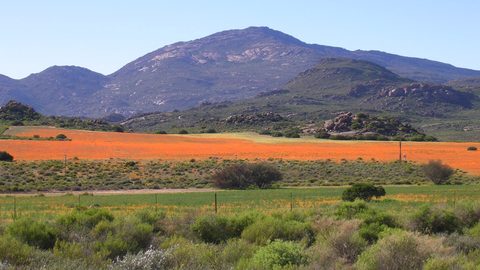
The Western Cape's best month depends on your tolerance for wind, whales, or wildflowers. Here is an honest month-by-month breakdown, including when to avoid the coast entirely.
Best Time to Visit the Western Cape – Wind, Whales and Honest Months
The Western Cape's best month depends on your tolerance for wind, whales, or wildflowers. Here is an honest month-by-month breakdown, including when to avoid the coast entirely.
-
 Getting Around the Western Cape – Airport Transfer and Why You Need a Car
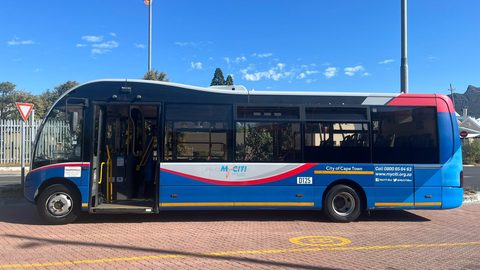
Cape Town airport has a fast MyCiTi bus to the city, but beyond the City Bowl you will need a rental car. Here is why, and what Google Maps gets wrong about driving times.
Getting Around the Western Cape – Airport Transfer and Why You Need a Car
Cape Town airport has a fast MyCiTi bus to the city, but beyond the City Bowl you will need a rental car. Here is why, and what Google Maps gets wrong about driving times.
-
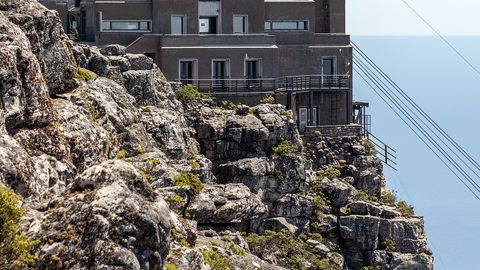 Table Mountain
The Table Mountain cableway closes on wind, often for days in summer. Plan with a live forecast, flexible tickets, and a backup day.
Table Mountain
The Table Mountain cableway closes on wind, often for days in summer. Plan with a live forecast, flexible tickets, and a backup day.
-
 Robben Island
 ferry tickets sell out 2+ weeks ahead in peak season and still cancel for weather. Book early, keep the day flexible, know the refund policy.
Robben Island
Robben Island ferry tickets sell out 2+ weeks ahead in peak season and still cancel for weather. Book early, keep the day flexible, know the refund policy.
-
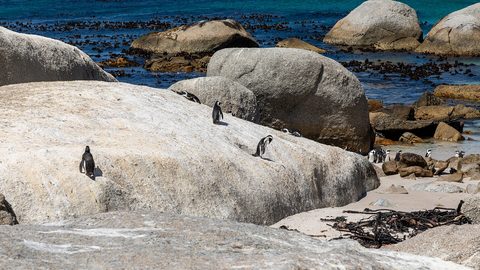 Boulders Beach
 has two entrances: one for boardwalk viewing, one for swimming. Most people pick wrong. Here is how to choose the right one.
Boulders Beach
Boulders Beach has two entrances: one for boardwalk viewing, one for swimming. Most people pick wrong. Here is how to choose the right one.