Whether the Garden Route Fits the Trip You Actually Have
Whether the Garden Route fits the trip you have, how many days it really needs, and where to sleep along the way.
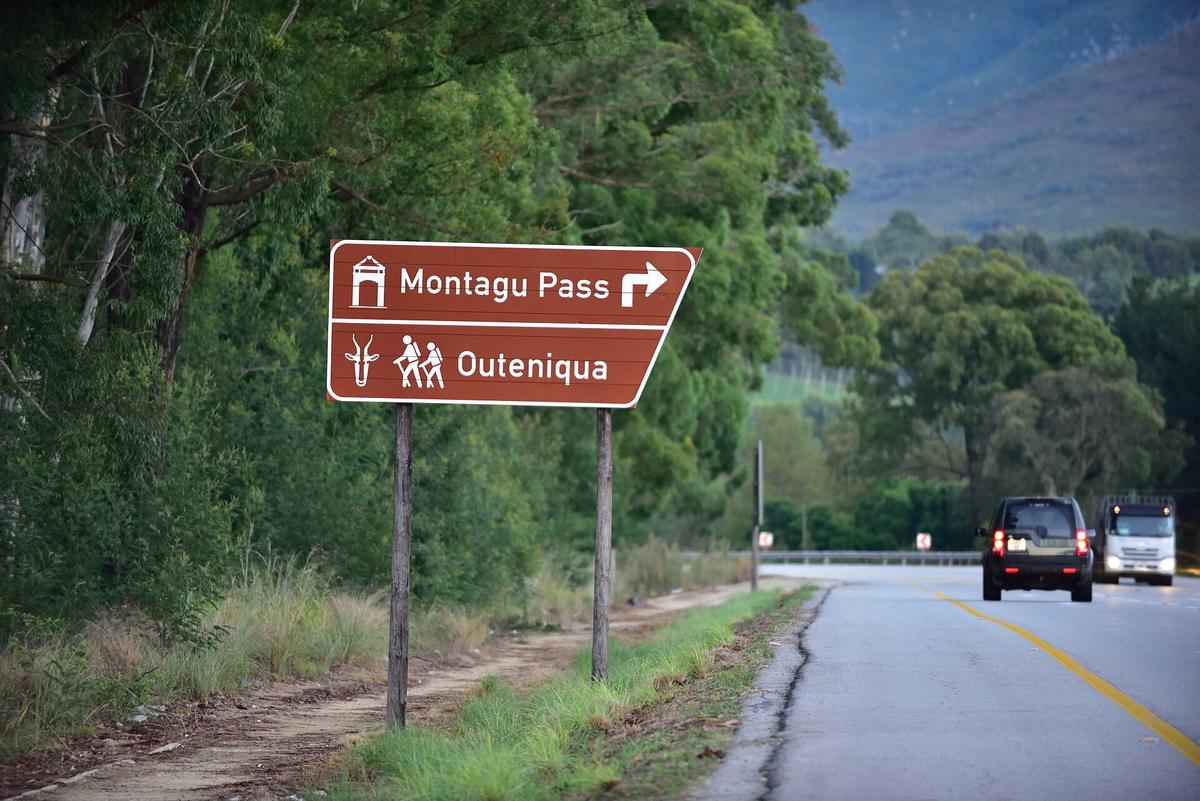
.jpg)
You Are 750 Km from a Decision
You wake in Cape Town, the mountain is clear, and you have a week. Someone says Garden Route. A quick look at the map shows a coastal road running east, and you think maybe two days there, two days back, a long weekend of lagoon sunsets and oyster shacks. Stop right there. The distance from Cape Town to Port Elizabeth (Gqeberha) via the N2 is 750 km one way. That is not a weekend loop. That is a Los Angeles to San Francisco drive on roads that twist through mountain passes and slow behind camper vans. The honest answer to whether the Garden Route fits your trip is this: it fits only if you have at least four nights, or you are willing to fly into George and drive one way. Anything less and you will spend your holiday watching tarmac through a windscreen.
The 750 Km Problem and How to Solve it
The single biggest mistake travellers make is assuming the Garden Route is a quick out-and-back from Cape Town. It is not. A realistic minimum one way drive takes 3 days, and that means you stop for fuel, a photograph, and a sandwich, then get back in the car. A comfortable one way trip needs 5 to 7 days. If you have fewer than 4 nights total, skip the full route. Instead, fly into George Airport (GRJ). Direct flights from Cape Town take 55 to 65 minutes. Car rental desks at George Airport include Avis, Budget, Europcar, Hertz, Sixt and Thrifty. A one way drop off fee from Cape Town to George runs ZAR 500 to 1,500 depending on the season. You then drive east from George through Wilderness, Knysna, Plettenberg Bay and Tsitsikamma, and fly back out of George. That cuts the driving to a single direction, no backtracking, and turns a punishing round trip into a relaxed four day journey.
Where To Sleep And When To Turn Around
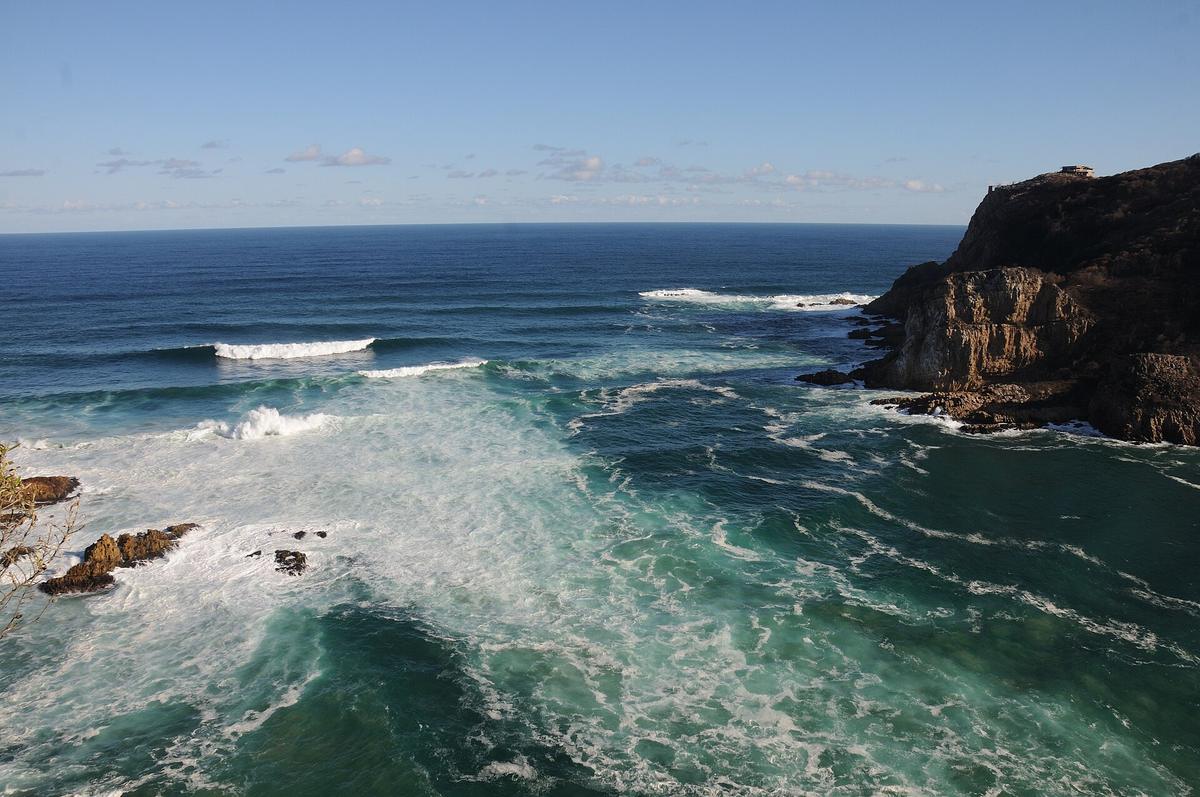
The route demands deliberate stop choices. From Cape Town, your first overnight should be Mossel Bay. You reach it in roughly 4 hours. The Diaz Museum Complex and St. Blaize Cave give you something to stretch your legs for, and the shark cage diving boats operate from the harbour. Next morning, drive 40 minutes to Wilderness. Canoe the Touw River, walk the Kingfisher Trail, sleep here. Day three, drive 30 minutes east to Knysna. The lagoon, the Knysna Heads and the oysters justify two nights if you have them. Day four, push to Plettenberg Bay for Robberg Nature Reserve and the beaches. If you have a fifth day, continue to Tsitsikamma National Park for the Storms River Mouth suspension bridges and coastal hiking. That is your turn around point. Do not push beyond Tsitsikamma unless you have booked a one way rental to Port Elizabeth. The road from Tsitsikamma to Port Elizabeth offers little you have not already seen better further west.
When the Garden Route Does Not Fit at All
Some trips should never include the Garden Route. If your interest in South Africa is whale watching outside June to November, and you have fewer than 4 nights, and you do not care about coastal scenery or hiking, skip the whole thing. Stay in Cape Town, do day trips to Hermanus for the cliff path, and save the Garden Route for a trip with more time. If you dislike driving or refuse to rent a car, do not attempt it. There are bus tours, but a bus tour of the Garden Route is a bus tour of the Garden Route. Your window into the landscape is glass, and your schedule is fixed. The Western Cape rewards flexibility. The wind can gust 60 to 80 km/h for days in summer, flattening a beach day. The Table Mountain cableway closes on wind. A fire can close a road with zero notice from November to April. If you have only 7 days total in South Africa, you must choose between Cape Town, the Winelands, the Whale Coast and the Garden Route. Choose two of them, not three. The minimum days for a worthwhile trip that includes the Garden Route is 7 days, and that means 7 days for the whole province, not 7 days for the route alone.
The Weather Reality Check
Peak season runs December to February. Summer brings South African school holidays, European and North American visitors, and a festive season rush from Christmas through early January. Book accommodation 3 to 6 months ahead for that window. The week between Christmas and New Year is a disaster. Coastal towns from Hermanus to Plettenberg Bay gridlock, prices triple, beaches hit capacity. Avoid it. Easter weekend creates the same local exodus pressure. Cape Town Marathon weekend in October creates road closures and hotel price spikes in the city bowl. If you must travel in peak season, fly into George, drive one way, and book every bed before you arrive.

| Stop | Drive Time From Cape Town | Minimum Nights | Why Stop |
|---|---|---|---|
| Mossel Bay | 4 hours | 1 | Maritime museum, shark cage diving, St. Blaize Cave |
| Wilderness | 4.5 hours | 1 | Touw River canoeing, Kingfisher Trail, beach |
| Knysna | 5 hours | 2 | Lagoon, Knysna Heads, Featherbed Reserve, oysters |
| Plettenberg Bay | 5.5 hours | 1 | Robberg Reserve, beaches, marine wildlife |
| Tsitsikamma | 6 hours | 1 | Storms River suspension bridges, coastal hiking, kayaking |
Who This Suits and Who it Does Not
This route suits road trippers who love dramatic coastal and mountain driving. It suits wine and food obsessives, active travellers mixing hiking and kayaking, botanists who want to see fynbos, and digital nomads using Cape Town as a base with weekend escapes. It does not suit travellers seeking a cheap all inclusive beach resort holiday. It does not suit anyone who dislikes driving or refuses to rent a car. It does not suit anyone wanting a reliably hot, windless summer beach break every single day, because the South Easter will find you. If you have the time and the flexibility, the Garden Route rewards you. If you do not, fly into George, drive one way, and save the rest for another trip.
Read next
-
 Western Cape Hotels – From Vineyard Stays to Cliffside Guesthouses
Western Cape accommodation ranges from Winelands vineyard manors to clifftop guesthouses above the Whale Coast. Here is what your budget gets in each region.
Western Cape Hotels – From Vineyard Stays to Cliffside Guesthouses
Western Cape accommodation ranges from Winelands vineyard manors to clifftop guesthouses above the Whale Coast. Here is what your budget gets in each region.
-
 Where to Stay in the Western Cape – Which Town Matches Your Trip
Your choice of base town in the Western Cape shapes everything from driving times to wind exposure. Compare Cape Town, Stellenbosch, Hermanus, and Knysna side by side.
Where to Stay in the Western Cape – Which Town Matches Your Trip
Your choice of base town in the Western Cape shapes everything from driving times to wind exposure. Compare Cape Town, Stellenbosch, Hermanus, and Knysna side by side.
-
 Flying Into Cape Town International and When Johannesburg Works
Flying into Cape Town International, what the airport transfer options are, and when Johannesburg or George Airport is the smarter entry point.
Flying Into Cape Town International and When Johannesburg Works
Flying into Cape Town International, what the airport transfer options are, and when Johannesburg or George Airport is the smarter entry point.
-
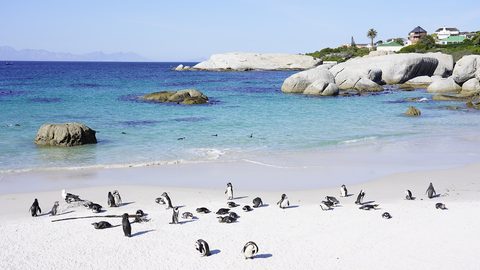 Things to Do in the Western Cape – Spending Limited Days Well
Not every Western Cape attraction earns its driving time. Here are the experiences that justify limited holiday days, from Table Mountain to the Knysna lagoon.
Things to Do in the Western Cape – Spending Limited Days Well
Not every Western Cape attraction earns its driving time. Here are the experiences that justify limited holiday days, from Table Mountain to the Knysna lagoon.
-
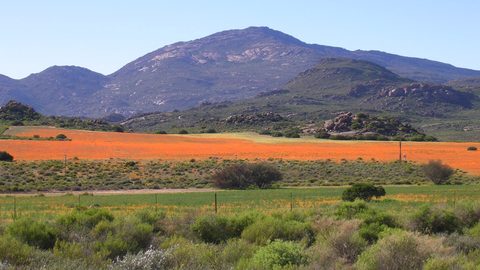 Best Time to Visit the Western Cape – Wind, Whales and Honest Months
The Western Cape's best month depends on your tolerance for wind, whales, or wildflowers. Here is an honest month-by-month breakdown, including when to avoid the coast entirely.
Best Time to Visit the Western Cape – Wind, Whales and Honest Months
The Western Cape's best month depends on your tolerance for wind, whales, or wildflowers. Here is an honest month-by-month breakdown, including when to avoid the coast entirely.
-
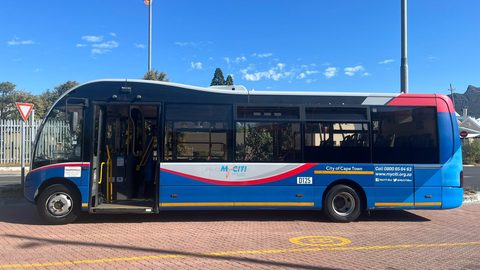 Getting Around the Western Cape – Airport Transfer and Why You Need a Car
Cape Town airport has a fast MyCiTi bus to the city, but beyond the City Bowl you will need a rental car. Here is why, and what Google Maps gets wrong about driving times.
Getting Around the Western Cape – Airport Transfer and Why You Need a Car
Cape Town airport has a fast MyCiTi bus to the city, but beyond the City Bowl you will need a rental car. Here is why, and what Google Maps gets wrong about driving times.
-
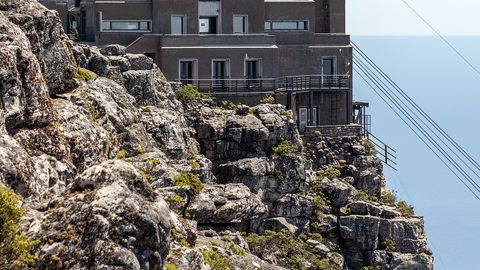 Table Mountain
The Table Mountain cableway closes on wind, often for days in summer. Plan with a live forecast, flexible tickets, and a backup day.
Table Mountain
The Table Mountain cableway closes on wind, often for days in summer. Plan with a live forecast, flexible tickets, and a backup day.
-
 Robben Island
 ferry tickets sell out 2+ weeks ahead in peak season and still cancel for weather. Book early, keep the day flexible, know the refund policy.
Robben Island
Robben Island ferry tickets sell out 2+ weeks ahead in peak season and still cancel for weather. Book early, keep the day flexible, know the refund policy.
-
 Cape Point
 is not the southernmost tip of Africa—Cape Agulhas is. Here is what Cape Point actually offers and why it is still worth the drive.
Cape Point
Cape Point is not the southernmost tip of Africa—Cape Agulhas is. Here is what Cape Point actually offers and why it is still worth the drive.