The South African Plug Standard and What Load-Shedding Means for You
South Africa's plug is its own Type M standard, and the power goes off daily. Plan your adapter and load-shedding backup before you land.
The South African Plug Standard and What Load-Shedding Means for You
You pull into a guesthouse outside Stellenbosch at dusk, phone at 8 percent, and the Type C adapter you bought in Europe slides uselessly into the socket. That is your first encounter with South Africa's plug standard, and it will not be your last unless you bring the right adapter.
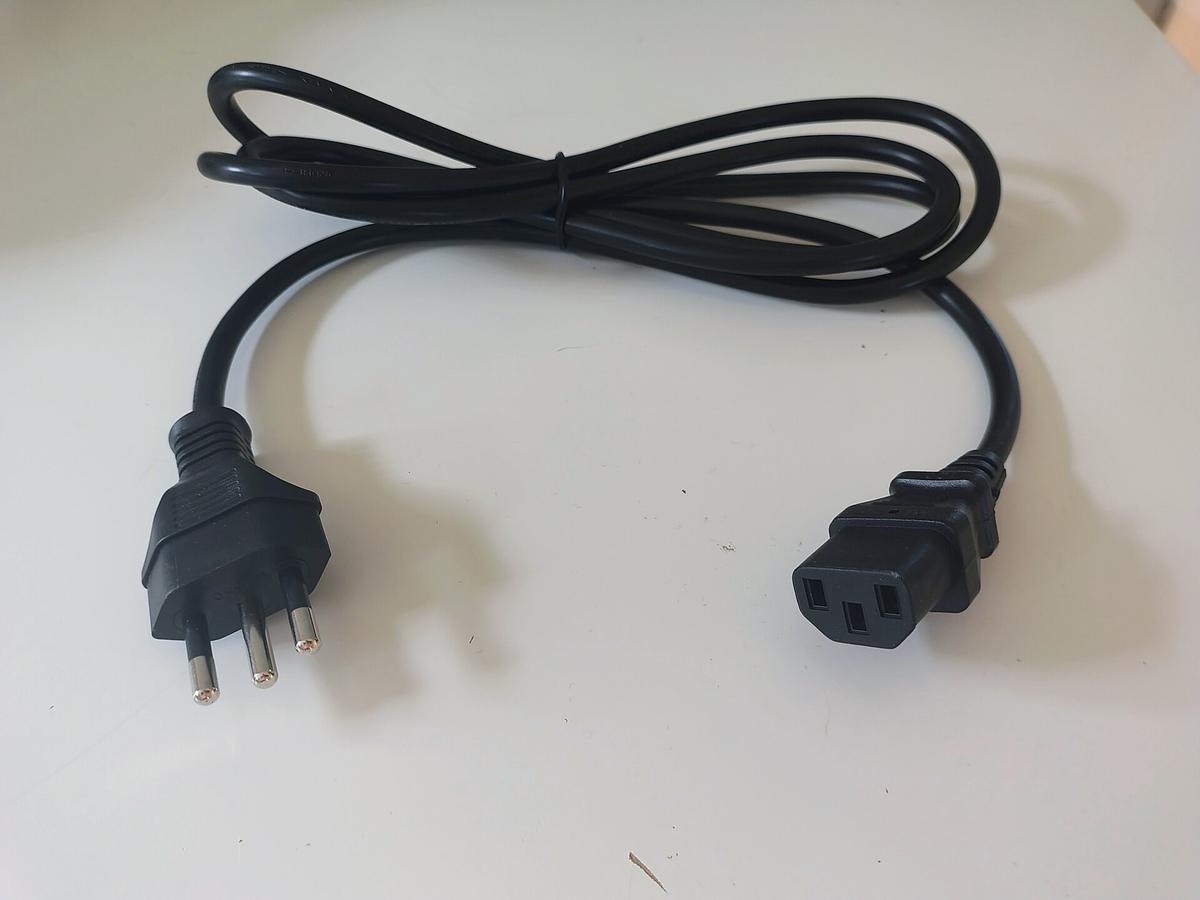
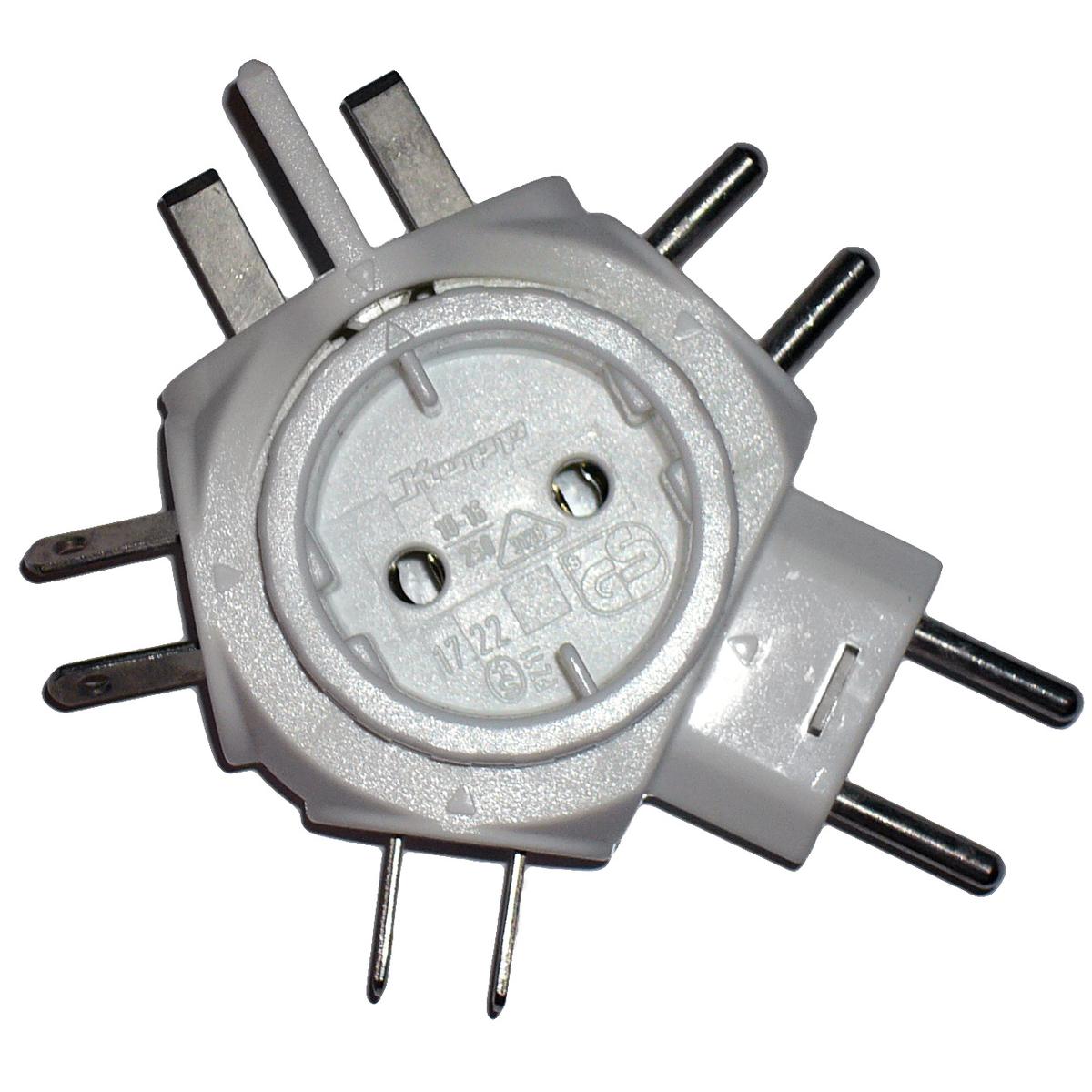
South Africa uses Type M as its legacy standard: three large round pins arranged in a triangle, rated at 16 amps and 230 volts. The newer standard is Type N (IEC 60906-1), also 16 amps, which looks similar but is not cross-compatible with older Type M sockets. Most mid-range and upmarket hotels now install universal sockets that accept Type N, Type C (the Europlug), and sometimes Type M. Older buildings still have the dedicated Type M socket.
Buy a Type M adapter, or a universal adapter that explicitly includes Type M. Do not assume a European two-pin adapter will work. It will not. Your phone charger, laptop brick, and camera battery all need the large round pin layout to connect at all.

What Load-Shedding Means for Your Devices and Your Day
Having the right plug adapter is step one. Step two is accepting that the power will go off, on a schedule, for hours at a time. Eskom implements rolling blackouts called load-shedding, graded from Stage 1 to Stage 8. At Stage 2 you lose power up to six times per day for two hours per session. At Stage 6 you face up to twelve sessions per day, each lasting two to four hours. The stage changes daily.
Check the Schedule Before You Leave
Use the EskomSePush app. It tells you your municipal area, block number, and exact time slots. Ignore this app at your own risk.
What Dies When the Grid Does
When the power cuts, your hotel room goes dark, the Wi-Fi router dies, and the mobile network may degrade or stay up depending on tower backup. Card payment terminals at shops and restaurants go offline unless they have battery backup. Many retailers now use offline-capable terminals, but not all. Carry cash for small purchases during a blackout.
The bigger hazard is traffic. Intersections go dead unless they have battery or solar backup. Treat every dark traffic light as a four-way stop. Wait your turn. Watch for drivers who do not.
Power Banks, Gas Stoves, and What Your Accommodation Provides
Your accommodation determines how much load-shedding affects you. Large hotels, safari lodges, and conference venues have generator backup that kicks in within seconds. Guesthouses and four- to five-star hotels often have inverter systems that keep lights, Wi-Fi, and a few sockets running. Budget hotels, hostels, and self-catering apartments have no backup at all. Check before you book. If the listing does not mention backup power, assume it has none.
Pack for the Outage
Packing for load-shedding is not optional. Bring a power bank large enough to charge your phone twice. Charge it every evening before your scheduled slot. Bring a headlamp or a small LED lantern. Your phone flashlight drains the battery you need for maps and Uber.
If you plan to self-cater, bring a camping stove or confirm the apartment has a gas hob. Electric stoves are useless during a two-hour slot, and microwave meals stay cold.
| Plug Standard | Pin Layout | Current Rating | Socket You Find It In |
|---|---|---|---|
| Type M (SANS 164-1) | Three large round pins | 16 A | Older buildings, some hotels |
| Type N (SANS 164-2) | Three round pins, smaller than M | 16 A | Newer buildings, most hotels |
| Type C (Europlug) | Two round pins | 2.5 A | Type N sockets (not Type M) |
| Universal socket | Accepts M, N, and C | Varies | Common in mid-range and upmarket hotels |
Where the Power Stays on and Where it Does Not
Safari lodges in the private reserves like Sabi Sand and Timbavati run on generators. You will barely notice load-shedding there. The Kruger National Park rest camps are a different story. Mobile signal vanishes in deep Kruger, and generator coverage is inconsistent. Fill your fuel tank before entering the park. Fuel pumps need electricity. Charge everything the night before you drive in.
Cape Town and Johannesburg
In Cape Town, the V&A Waterfront and most upmarket hotels in the City Bowl and Atlantic Seaboard have backup. Self-catering apartments in Bo-Kaap or the City Bowl often do not. Check the listing for inverter or generator backup. In Johannesburg, Sandton hotels are covered. Maboneng apartments are hit or miss.
The Garden Route and Beyond
The Garden Route towns between Wilderness and Plettenberg Bay have intermittent municipal water quality issues alongside the power cuts. Bottled water is standard practice in those areas.
The countries neighbouring South Africa use the same Type M standard: Lesotho, Eswatini, Mozambique, Botswana, Namibia, Zimbabwe, and India all accept Type M plugs without an adapter. If your trip crosses borders, the same adapter works across the region.

The Danger of Dead Traffic Lights and the Cash You Need
Load-shedding kills traffic lights at major intersections across every city. Cape Town's Atlantic Seaboard, Johannesburg's Sandton grid, Durban's Golden Mile all go dark. Treat every dead light as a stop sign. Four-way stop discipline is not optional. Rental cars do not come with flashing hazard lights that override the blackout. You wait your turn. You watch for the driver who does not.
Car Guards and Small Cash
Car guards appear at parking lots and street parking spots during load-shedding. They wear reflective vests and demand a tip for watching your car. Keep ZAR 5 to ZAR 10 coins in your centre console. Pay them when you return. Ignoring them invites a scratched door panel or a slashed tyre. It is not extortion. It is the system.
Who Needs a Type M Adapter in South Africa and Who Can Leave It at Home
Wildlife-first safari enthusiasts, road-trippers covering the Garden Route or the Drakensberg, adventure sports travellers, value-seeking luxury travellers, and wine-and-dine visitors in the Cape Winelands need to know exactly what plug to buy and how to keep a phone charged when the grid goes dark.
Skip the adapter hunt if you want a walkable, spontaneous city break where you can let your guard down after dark. If visible poverty and high-security fencing ruin your headspace, South Africa is not the destination for you. If you are unwilling to drive long distances or adapt to daily power cuts, choose a different trip.
The single thing that most often goes wrong: visitors treat South Africa like a compact European country, underestimate domestic flight and transfer times, and pack no adapter at all. Then they arrive, the power cuts, and their phone dies at a dark intersection. Do not be that visitor.
Common Questions
What plug adapter do I need for South Africa?
You need a Type M adapter with three large round pins, or a universal adapter that includes Type M. Type C Europlugs fit newer Type N sockets but not older Type M sockets.
Will my European two-pin plug work in South Africa?
Only in newer Type N sockets or universal sockets found in mid-range and upmarket hotels. It will not work in older Type M sockets. Carry a Type M adapter as your primary.
What is load-shedding and how does it affect me?
Load-shedding is Eskom's scheduled rolling blackouts. At Stage 2 you lose power up to six times daily for two hours each. At Stage 6 it is up to twelve sessions of two to four hours. Check the EskomSePush app for your area and block number.
Do hotels in South Africa have backup power?
Large hotels, safari lodges, and conference venues have generators. Guesthouses and four- to five-star hotels often have inverters. Budget hotels, hostels, and self-catering apartments have no backup. Check before booking.
Can I pay by card during load-shedding?
Some retailers have battery-backed or offline-capable terminals. Others go offline. Carry cash for small purchases during a blackout.
What should I pack for load-shedding?
A power bank large enough to charge your phone twice, a headlamp or LED lantern, and a camping stove if you plan to self-cater. Charge your power bank every evening before your scheduled slot.
Are traffic lights affected by load-shedding?
Yes, unless the intersection has battery or solar backup. Treat every dead traffic light as a four-way stop. Wait your turn and watch for drivers who do not.
Read next
-
 Best Time to Visit South Africa by Region and Season
South Africa's seasons are inverted, and the Cape's winter rain is opposite the rest of the country. Here's how to time your trip.
Best Time to Visit South Africa by Region and Season
South Africa's seasons are inverted, and the Cape's winter rain is opposite the rest of the country. Here's how to time your trip.
-
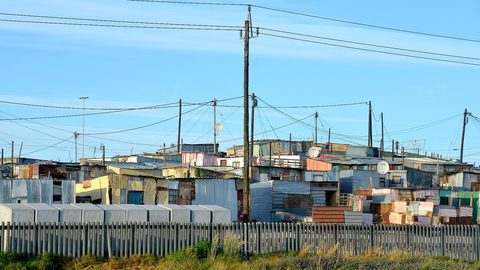 Getting Around South Africa, Why Self-Drive Beats Flying
Self-driving is the best way to see the Cape and Garden Route, but long distances and Gauteng's e-toll system can surprise first-time visitors.
Getting Around South Africa, Why Self-Drive Beats Flying
Self-driving is the best way to see the Cape and Garden Route, but long distances and Gauteng's e-toll system can surprise first-time visitors.
-
 South Africa Visa Rules and Passport Requirements for Tourists
Most Western passport holders get 90 days visa-free in South Africa, but the rules on blank pages and traveling with children are strict.
South Africa Visa Rules and Passport Requirements for Tourists
Most Western passport holders get 90 days visa-free in South Africa, but the rules on blank pages and traveling with children are strict.
-
 South Africa Money Guide, Rand, Cards, and Tipping Norms
Cards work almost everywhere in South Africa, but you'll need small cash for car guards and rural stops. Here's what a day costs and what to tip.
South Africa Money Guide, Rand, Cards, and Tipping Norms
Cards work almost everywhere in South Africa, but you'll need small cash for car guards and rural stops. Here's what a day costs and what to tip.
-
 South Africa Safety Advice, Honest Precautions for Visitors
South Africa demands constant situational awareness. This is the honest guide to staying safe without missing the beauty.
South Africa Safety Advice, Honest Precautions for Visitors
South Africa demands constant situational awareness. This is the honest guide to staying safe without missing the beauty.
-
 South Africa Trip Cost, Daily Budgets in Rand at Three Levels
South Africa offers value-seeking luxury, but costs vary wildly between a backpacker dorm and a private game lodge. Here are the daily numbers.
South Africa Trip Cost, Daily Budgets in Rand at Three Levels
South Africa offers value-seeking luxury, but costs vary wildly between a backpacker dorm and a private game lodge. Here are the daily numbers.
-
 Western Cape
The Western Cape works best as four separate road trips, not one rushed loop. Here is how to split the province without spending every day behind a windscreen.
Western Cape
The Western Cape works best as four separate road trips, not one rushed loop. Here is how to split the province without spending every day behind a windscreen.
-
 Cape Town vs Johannesburg Which City for Your Days
Which South African city to spend your limited days in, refereed without false neutrality.
Cape Town vs Johannesburg Which City for Your Days
Which South African city to spend your limited days in, refereed without false neutrality.