Visiting Bo-Kaap Respectfully: It Is a Neighbourhood, Not a Photo Backdrop
Bo-Kaap is a residential neighbourhood, not a photo backdrop. Visit respectfully: learn the history, book a local tour, and ask before photographing.
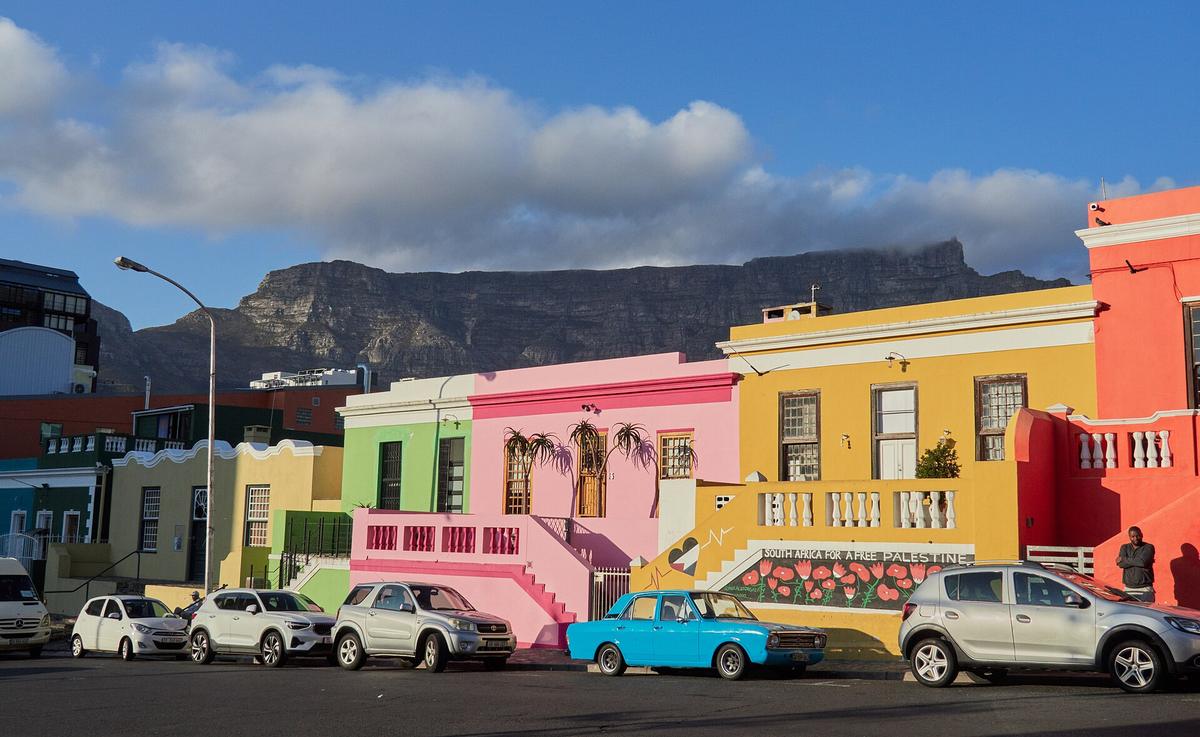

Bo-Kaap is Not a Backdrop. It is Someone’s Front Door.
The problem with Bo-Kaap is not the colour. The problem is that thousands of visitors every week treat it as a free outdoor studio. They block doorways. They step into gardens. They photograph residents through windows as if the people are part of the set. This is a real neighbourhood for 6,000 to 10,000 people. The tension is real. Signs now read “No tourist photos beyond this point” on certain lanes. Auwal Mosque, the oldest mosque in South Africa, founded in 1794, sits on Dorp Street. People walk straight past it to frame a shot of a wall. You can visit Bo-Kaap without contributing to that friction. Here is how.
First, understand what you are looking at. Bo-Kaap sits on the slopes of Signal Hill, above the Cape Town city centre, bounded by Buitengracht Street, Carisbrook Street, Strand Street, and De Waal Drive. The Cape Malay community here descends from enslaved and free people brought from Southeast Asia, East Africa, Madagascar, and India from 1658 onward. Islam took root here from the late 18th century. The bright house colours you see are not an ancient tradition. They date from the late 20th century, after emancipation of home ownership let residents paint freely as an expression of post-apartheid identity and a celebration of Eid. Earlier houses were white or pastel. Knowing that changes how you see the lane.
The question is not whether Bo-Kaap is worth a visit. It is how to do it in a way that does not make residents feel like exhibits. The answer has four parts. Visit the museum. Take a walking tour led by a local. Eat the food. And never photograph a person without asking first.
- Heritage Status: National Heritage Site, declared 2019
- Museum: Iziko Bo-Kaap Museum, 71 Wale Street. Open Monday, Saturday, 09:00, 17:00. Closed Sundays, Workers’ Day, Christmas Day. Entry R20, R60.
- First Mosque: Auwal Mosque, 34 Dorp Street, founded 1794. Oldest mosque in South Africa.
- Main Visitor Streets: Wale Street, Chiappini Street, Rose Street, Shortmarket Street. Most photographed intersection: Wale and Chiappini.
- Photography Rule: Photograph houses and streetscapes only. Ask before photographing any person. Do not block doorways or step onto private property.
- Best Light: Before 10:00 or after 15:00. Peak congestion 10:00, 14:00.
- Safety: Safe for street walking during daylight. Higher risk of mugging after dark on quiet side streets. Visit 09:00, 16:00.
- Nearest Police: Cape Town Central SAPS, 25 Alfred Street. Emergency: 10111 (police), 10177 (ambulance).
Start at the Museum. Then Walk with Someone Who Lives Here.
Skip the Instagram-first approach. Start at the Iziko Bo-Kaap Museum at 71 Wale Street. The building dates from the 1760s, making it one of the oldest surviving houses in the area. It costs between R20 and R60, and it is open Monday to Saturday from 09:00 to 17:00. Closed Sundays, Workers’ Day, and Christmas Day. The museum tells the story of the Cape Malay community through household objects, photographs, and documents. It gives context you cannot get from a street corner. Spend 30 to 45 minutes inside before you walk the neighbourhood.
Book a Walking Tour, Not a Photo Walk
Walking tours led by local residents run 1 to 2 hours and cost R200 to R500 per person. Start points are the Bo-Kaap Museum or Auwal Mosque. A guide explains the history of the area, points out the significance of the Auwal Mosque, and takes you to lanes you would miss on your own. You are paying for access and understanding. Do not book a “photo walk” that treats the neighbourhood as a set. Book a cultural tour that treats it as a home.
Photograph the Streets, Not the People
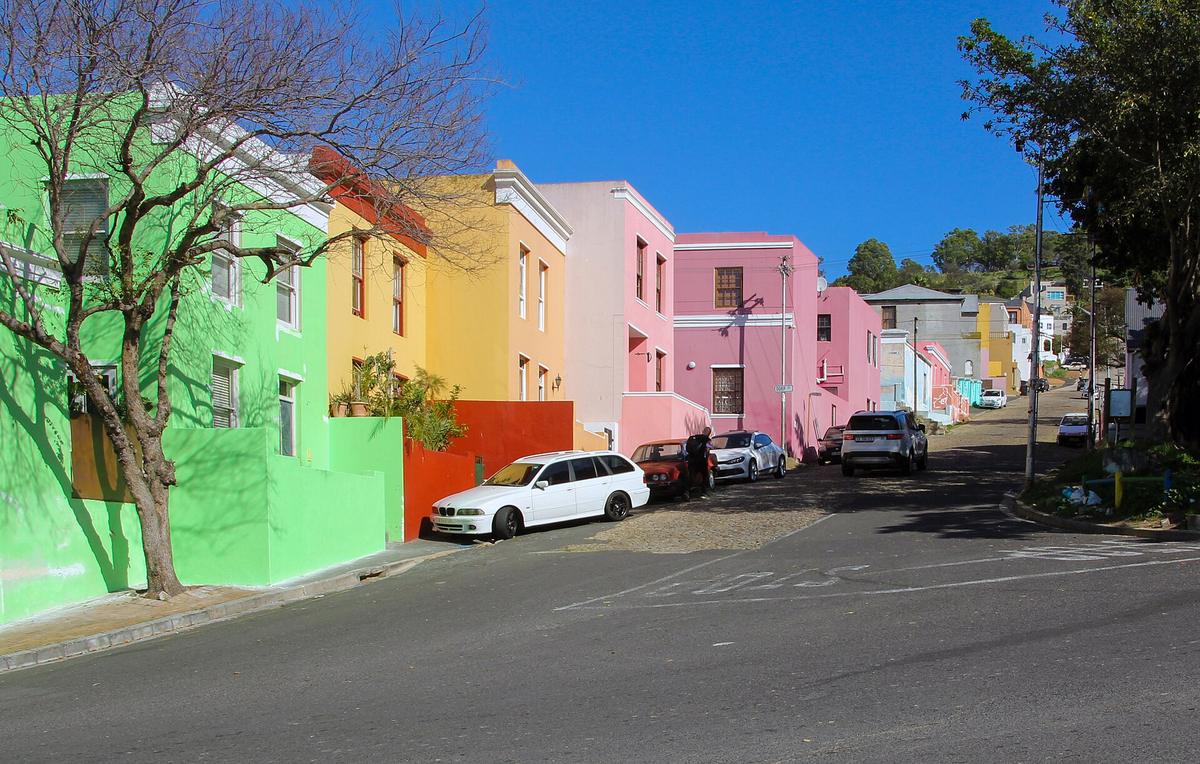
The most photographed lane is Chiappini Street. The most photographed intersection is Wale Street and Chiappini Street. You can take those photos without stepping onto private land or blocking traffic. The rule is simple. Photograph the houses. Photograph the streetscapes. Do not photograph residents on their doorsteps or in their windows without permission. If someone is sitting on their stoep, they are not part of the composition. They are at home. Move on. The best light is before 10:00 or after 15:00, which also helps you avoid the peak visitor congestion between 10:00 and 14:00.
Eat the Food. Buy the Spices. Support the Economy.
The most respectful way to engage with Cape Malay culture is through its food. Cooking classes run 2 to 4 hours and cost R650 to R1,200 per person. You learn to make bobotie, samosas, dhaltjies, koesisters, and bredie. These classes happen in actual homes. You are a guest. That is a fundamentally different relationship from being a photographer on the pavement.
The spice shops on Wale Street and Rose Street sell the curry blends, dried herbs, and pickles that define Cape Malay cooking. Buy a bag of masala or a jar of atchar. It costs less than a coffee and it leaves money in the neighbourhood. The Auwal Mosque area has small eateries serving bobotie with yellow rice and sambals. Eat there. That is participating. That is respectful.
Do not treat the lanes as a prop. Do not stand in front of a doorway for a shot while a resident waits to leave their own house. Do not pose on the steps of a home. Do not touch the walls. The houses are painted, but the paint is not a backdrop. It is someone’s property. The mistake most visitors make is treating Bo-Kaap as a drive-by photo stop. The correction is to slow down. Spend time. Spend money. Learn something.
.jpg)
When to Go and Who Should Skip it
Visit between 09:00 and 16:00. Arrive at 09:00 to beat the crowds. The light is good, the lanes are quiet, and you can do the museum and a walking tour before lunch. After 14:00 the congestion drops again. Avoid Saturdays and Sundays if you can. The museum is closed Sundays anyway, and weekend foot traffic is highest.
Skip Bo-Kaap entirely if you only want a photo of a colourful lane. That photo exists online. The neighbourhood does not need another tourist treating it as a backdrop. Skip it if you are not willing to pay for a museum entry or a walking tour. You can walk the lanes for free. Do that after you have paid for context. Skip it after dark. The area is safe in daylight but higher risk for mugging on quiet side streets after dark, and there is nothing to see after the shops close.
Bo-Kaap suits travellers who want to understand Cape Town’s layered history, who are willing to spend on a cooking class or a guide, and who treat every lane as someone’s home. It does not suit travellers who want a 15-minute stop for a photo before moving on. The first group leaves with a meal and a story. The second group leaves as part of the problem. Choose which one you are before you arrive.
Common Questions
Can I take photos in Bo-Kaap?
Yes, of houses and streetscapes. Do not photograph residents without permission. Do not block doorways or step onto private property. Some lanes have signs asking you not to take photos beyond a certain point. Respect them.
Is Bo-Kaap safe for solo travellers?
Safe during daylight hours, 09:00 to 16:00. Stick to main thoroughfares. After dark, quiet side streets carry a higher risk of mugging. Visit during the day and take an Uber back to the city centre.
Do I need a tour to visit Bo-Kaap?
No, but a walking tour led by a local resident gives context you cannot get on your own. Tours cost R200 to R500 and run 1 to 2 hours. Start at the Bo-Kaap Museum or Auwal Mosque.
What is the best time of day for photography?
Before 10:00 or after 15:00. The light is softer, the lanes are quieter, and you avoid peak visitor congestion between 10:00 and 14:00. Arrive at 09:00 for the best balance.
Read next
-

 Western Cape Hotels – From Vineyard Stays to Cliffside Guesthouses
Western Cape accommodation ranges from Winelands vineyard manors to clifftop guesthouses above the Whale Coast. Here is what your budget gets in each region.
Western Cape Hotels – From Vineyard Stays to Cliffside Guesthouses
Western Cape accommodation ranges from Winelands vineyard manors to clifftop guesthouses above the Whale Coast. Here is what your budget gets in each region.
-
 Where to Stay in the Western Cape – Which Town Matches Your Trip
Your choice of base town in the Western Cape shapes everything from driving times to wind exposure. Compare Cape Town, Stellenbosch, Hermanus, and Knysna side by side.
Where to Stay in the Western Cape – Which Town Matches Your Trip
Your choice of base town in the Western Cape shapes everything from driving times to wind exposure. Compare Cape Town, Stellenbosch, Hermanus, and Knysna side by side.
-
 Flying Into Cape Town International and When Johannesburg Works
Flying into Cape Town International, what the airport transfer options are, and when Johannesburg or George Airport is the smarter entry point.
Flying Into Cape Town International and When Johannesburg Works
Flying into Cape Town International, what the airport transfer options are, and when Johannesburg or George Airport is the smarter entry point.
-
 Things to Do in the Western Cape – Spending Limited Days Well
Not every Western Cape attraction earns its driving time. Here are the experiences that justify limited holiday days, from Table Mountain to the Knysna lagoon.
Things to Do in the Western Cape – Spending Limited Days Well
Not every Western Cape attraction earns its driving time. Here are the experiences that justify limited holiday days, from Table Mountain to the Knysna lagoon.
-
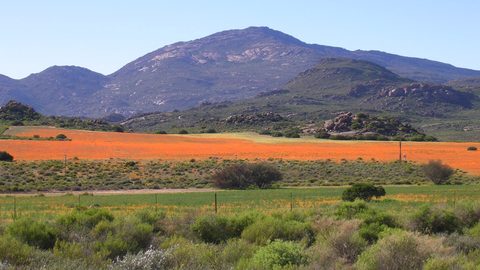 Best Time to Visit the Western Cape – Wind, Whales and Honest Months
The Western Cape's best month depends on your tolerance for wind, whales, or wildflowers. Here is an honest month-by-month breakdown, including when to avoid the coast entirely.
Best Time to Visit the Western Cape – Wind, Whales and Honest Months
The Western Cape's best month depends on your tolerance for wind, whales, or wildflowers. Here is an honest month-by-month breakdown, including when to avoid the coast entirely.
-
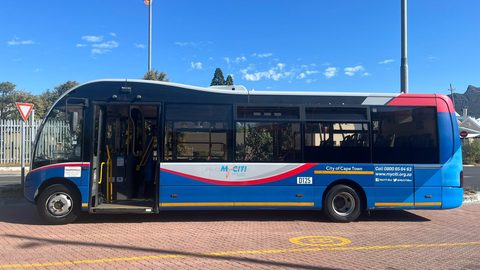 Getting Around the Western Cape – Airport Transfer and Why You Need a Car
Cape Town airport has a fast MyCiTi bus to the city, but beyond the City Bowl you will need a rental car. Here is why, and what Google Maps gets wrong about driving times.
Getting Around the Western Cape – Airport Transfer and Why You Need a Car
Cape Town airport has a fast MyCiTi bus to the city, but beyond the City Bowl you will need a rental car. Here is why, and what Google Maps gets wrong about driving times.
-
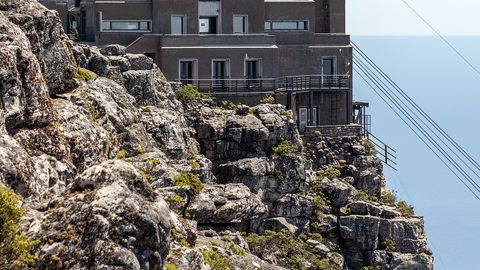 Table Mountain
The Table Mountain cableway closes on wind, often for days in summer. Plan with a live forecast, flexible tickets, and a backup day.
Table Mountain
The Table Mountain cableway closes on wind, often for days in summer. Plan with a live forecast, flexible tickets, and a backup day.
-
 Robben Island
 ferry tickets sell out 2+ weeks ahead in peak season and still cancel for weather. Book early, keep the day flexible, know the refund policy.
Robben Island
Robben Island ferry tickets sell out 2+ weeks ahead in peak season and still cancel for weather. Book early, keep the day flexible, know the refund policy.
-
 Cape Point
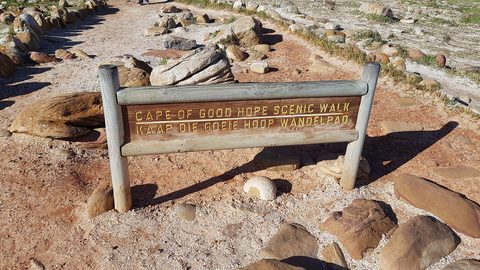
 is not the southernmost tip of Africa—Cape Agulhas is. Here is what Cape Point actually offers and why it is still worth the drive.
Cape Point
Cape Point is not the southernmost tip of Africa—Cape Agulhas is. Here is what Cape Point actually offers and why it is still worth the drive.