Why the Hermanus Shore Beats a Whale Watching Boat
Where and when to see southern right whales in the Western Cape, and why the Hermanus shore often beats a boat.
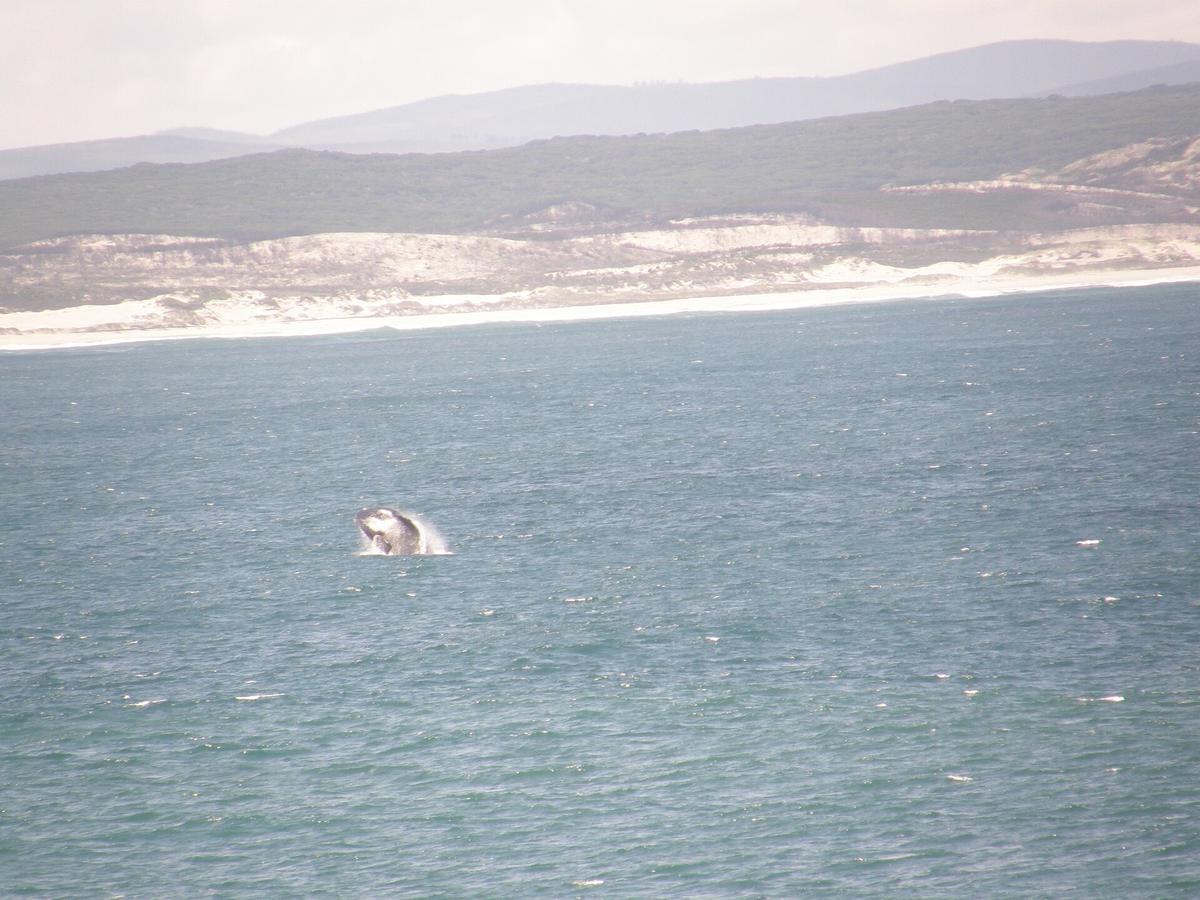

Why the Hermanus Cliff Path Beats a Whale Watching Boat
Skip The Boat
Most visitors to the Western Cape assume a boat is the only way to see whales up close. That assumption costs you money, time, and a morning of nausea. Land based viewing from the Hermanus Cliff Path and De Hoop delivers closer encounters than any permitted vessel can legally offer. Southern right whales swim within 5 to 50 meters of the shore at Hermanus. A boat must stay 300 meters away by law. The math is simple. The cliffs win.
June to November is the window. Southern right whales arrive in June, peak from July through October, and linger into November. Humpbacks run the same months. Bryde's whales and orcas show up year round but are less predictable. The coastal terrain along the Whale Coast cliffs rises steeply from deep water. That geology is the reason whales come so close. They do not need to enter a shallow bay. The deep water hits the rocks. They swim right past.
Hermanus Cliff Path: the Best Land Based Whale Watching in the Western Cape
Walk The 12 Kilometer Route
The Cliff Path runs roughly 12 kilometers from Gearing's Point to Voëlklip. The highest density of whale activity sits on that exact stretch. Start at Gearing's Point, coordinates minus 34.421, 19.245. Walk south toward Voëlklip at minus 34.432, 19.278. You will pass four prime vantage points: Gearing's Point, Old Harbour, Sievers Point, and Kwaaiwater. Stop at each. Watch for blows and breaches. The whales are visible from every point but the concentration shifts day to day. If a pod lingers near Old Harbour, stay put. If they move south, walk with them.
Arrive by 09:00. Mornings have calmer wind and better light. The sea breeze builds by midday and chops the surface, making blows harder to spot. Bring a jacket, sunscreen, and a rain shell. The Western Cape climate shifts fast. You can need all three in a single morning.
No Tickets, No Time Limit
The Cliff Path is free. No permit, no booking, no departure time. Compare that to a boat trip at ZAR 800 to 1,200 per adult for 2 to 3 hours on the water. A family of four saves the cost of four tickets per outing. The boat also imposes a 20 minute limit within 300 meters of any whale. The cliff path imposes no limit. You watch on the whales' schedule, not the skipper's.
Hermanus Vs False Bay And Plettenberg Bay
False Bay offers land based viewing but it is inferior. The bay is shallower with a wider intertidal zone. Whales stay further offshore. The best land based spot in False Bay is Cape Point inside Table Mountain National Park, but the whales there are distant enough that you need binoculars. Plettenberg Bay is better than False Bay but still second to Hermanus. Robberg Peninsula and Lookout Beach deliver good views, but the viewing relies on discrete elevated points rather than a continuous 12 kilometer path. You cannot walk alongside the whales the way you can at Hermanus.
Beyond Hermanus: De Kelders And De Hoop
De Kelders in Gansbaai is the second best land based spot on the Whale Coast. The cliffs here drop straight into deep water. The whales come as close as they do at Hermanus. The difference is infrastructure. De Kelders has a short paved path and a few benches. No 12 kilometer walkway. No cafés every few blocks. If you want solitude and raw coast, go to De Kelders. If you want a full day walk with facilities, stay on the Hermanus path.
De Hoop Nature Reserve is a different game. The reserve sits east of Hermanus on a remote stretch of coast. The vlei and the dunes create a quieter whale watching experience. The whales come into the shallow marine protected area to calve. You need a vehicle to reach De Hoop and the last section of road is dirt. Google Maps underestimates driving time on that road by 30 to 50 percent. Budget 2.5 hours from Hermanus. Once inside, walk the coastal trail from the restaurant to Koppie Alleen. That is the spot.
When a Boat Actually Adds Value
Two Reasons To Get On The Water
A boat is the right choice in exactly two situations. First, if you have limited mobility or cannot walk the Cliff Path. The path is mostly flat but runs 12 kilometers with no shuttle. Second, if you are in False Bay or Plettenberg Bay and the whales are staying offshore. In False Bay, the gradual bathymetry keeps whales further out. A boat gets you to them. In Plettenberg Bay, a boat can reach species you rarely see from land, including Bryde's whales and orcas.
Pick The Right Operator
If you book a boat, choose a reputable operator. Southern Right Charters and Hermanus Whale Cruises operate out of Hermanus. Dyer Island Cruises and Ivanhoe Sea Safaris run from Gansbaai. All hold a permit under the Marine Living Resources Act issued by the Department of Forestry, Fisheries and the Environment. The law limits vessels within 300 meters of a whale to three at a time and caps each vessel's stay at 20 minutes. A good operator manages that window well. A bad operator rushes it.
The boat price range of ZAR 800 to 1,200 covers a 2 to 3 hour trip. That price varies by operator, vessel type, trip duration, and whether refreshments are included. Expect to pay more for a rigid hull inflatable than a catamaran. Expect to pay more for a trip that includes snacks and drinks. Expect to pay the same for seasickness. It hits one in three passengers on a choppy day.

Read next
-
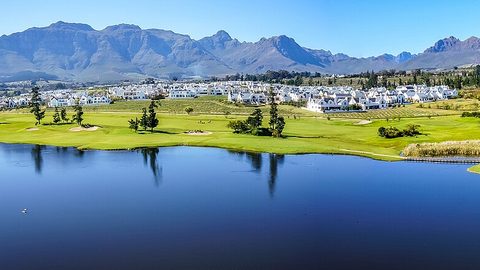
 Western Cape Hotels – From Vineyard Stays to Cliffside Guesthouses
Western Cape accommodation ranges from Winelands vineyard manors to clifftop guesthouses above the Whale Coast. Here is what your budget gets in each region.
Western Cape Hotels – From Vineyard Stays to Cliffside Guesthouses
Western Cape accommodation ranges from Winelands vineyard manors to clifftop guesthouses above the Whale Coast. Here is what your budget gets in each region.
-
 Where to Stay in the Western Cape – Which Town Matches Your Trip
Your choice of base town in the Western Cape shapes everything from driving times to wind exposure. Compare Cape Town, Stellenbosch, Hermanus, and Knysna side by side.
Where to Stay in the Western Cape – Which Town Matches Your Trip
Your choice of base town in the Western Cape shapes everything from driving times to wind exposure. Compare Cape Town, Stellenbosch, Hermanus, and Knysna side by side.
-
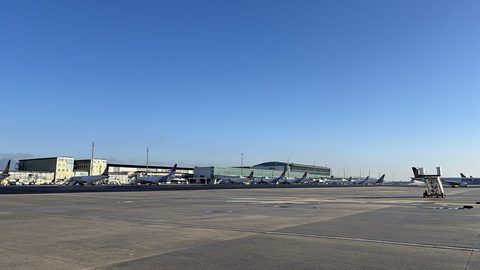 Flying Into Cape Town International and When Johannesburg Works
Flying into Cape Town International, what the airport transfer options are, and when Johannesburg or George Airport is the smarter entry point.
Flying Into Cape Town International and When Johannesburg Works
Flying into Cape Town International, what the airport transfer options are, and when Johannesburg or George Airport is the smarter entry point.
-
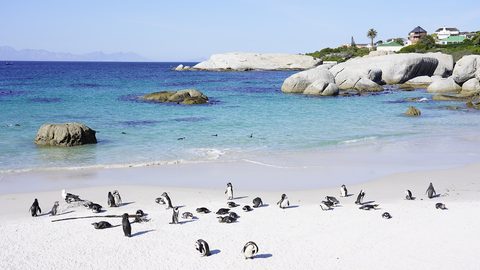 Things to Do in the Western Cape – Spending Limited Days Well
Not every Western Cape attraction earns its driving time. Here are the experiences that justify limited holiday days, from Table Mountain to the Knysna lagoon.
Things to Do in the Western Cape – Spending Limited Days Well
Not every Western Cape attraction earns its driving time. Here are the experiences that justify limited holiday days, from Table Mountain to the Knysna lagoon.
-
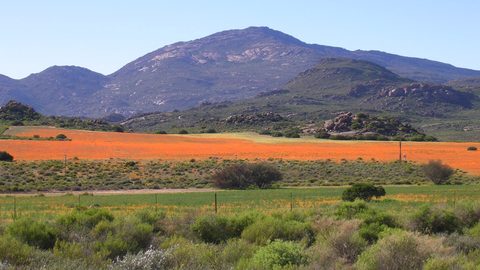 Best Time to Visit the Western Cape – Wind, Whales and Honest Months
The Western Cape's best month depends on your tolerance for wind, whales, or wildflowers. Here is an honest month-by-month breakdown, including when to avoid the coast entirely.
Best Time to Visit the Western Cape – Wind, Whales and Honest Months
The Western Cape's best month depends on your tolerance for wind, whales, or wildflowers. Here is an honest month-by-month breakdown, including when to avoid the coast entirely.
-
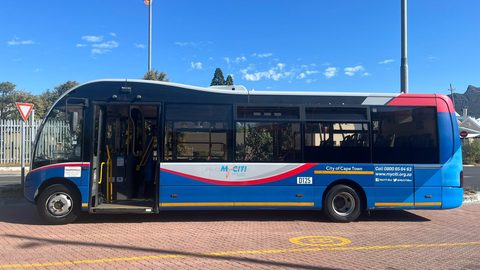 Getting Around the Western Cape – Airport Transfer and Why You Need a Car
Cape Town airport has a fast MyCiTi bus to the city, but beyond the City Bowl you will need a rental car. Here is why, and what Google Maps gets wrong about driving times.
Getting Around the Western Cape – Airport Transfer and Why You Need a Car
Cape Town airport has a fast MyCiTi bus to the city, but beyond the City Bowl you will need a rental car. Here is why, and what Google Maps gets wrong about driving times.
-
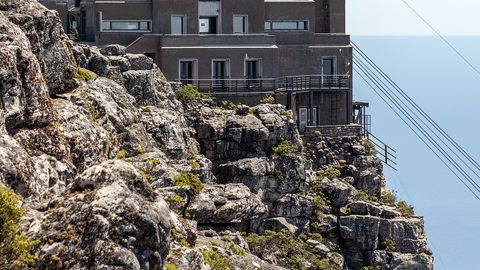 Table Mountain
The Table Mountain cableway closes on wind, often for days in summer. Plan with a live forecast, flexible tickets, and a backup day.
Table Mountain
The Table Mountain cableway closes on wind, often for days in summer. Plan with a live forecast, flexible tickets, and a backup day.
-
 Robben Island
 ferry tickets sell out 2+ weeks ahead in peak season and still cancel for weather. Book early, keep the day flexible, know the refund policy.
Robben Island
Robben Island ferry tickets sell out 2+ weeks ahead in peak season and still cancel for weather. Book early, keep the day flexible, know the refund policy.
-
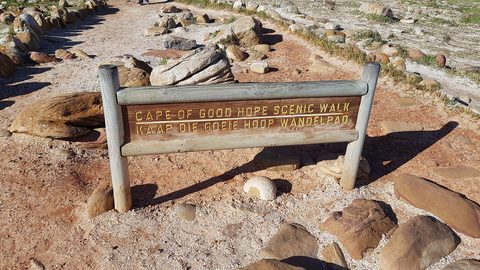 Cape Point
 is not the southernmost tip of Africa—Cape Agulhas is. Here is what Cape Point actually offers and why it is still worth the drive.
Cape Point
Cape Point is not the southernmost tip of Africa—Cape Agulhas is. Here is what Cape Point actually offers and why it is still worth the drive.