Eating and Drinking Across the Western Cape
How Western Cape food works, from Cape Malay curries in Bo-Kaap to braaied snoek and Winelands wine farm lunches.
The Big Mistake Most Visitors Make
Western Cape eating is not one thing. It is three separate food logics that rarely overlap. Cape Malay food belongs to the Bo-Kaap and the city bowl. Braai culture splits between the West Coast and the Cape Peninsula, each with its own seafood and its own fuel. The Winelands run on a booking ecosystem. You cannot wander into a top Franschhoek tasting room in December and expect a seat. You cannot order a Gatsby in Stellenbosch and expect it to match a Gatsby in Athlone. The geography dictates the plate. Learn which dish belongs to which district, and you will eat well. Ignore the logic, and you will spend peak season eating mediocre sushi at a mall.
Cape Malay: the Bo-Kaap is Not a Museum
The Bo-Kaap is the only place to understand Cape Malay food, and it is not a theme park. The community descends from enslaved and exiled Southeast Asians, Indians, and Africans brought to the Cape by the Dutch East India Company from the mid-1600s to early 1800s. That history produced a spice repertoire you will not find anywhere else in Africa: cinnamon, cardamom, cloves, turmeric, cumin, coriander, fennel, star anise, and dried chillies. The core dishes are bobotie, denningvleis, tomato bredie, sosaties, pickled fish, samoosas, roti, and the crucial koesisters. Koesisters are the spiced, syruped doughnuts from the Cape Malay tradition. They are not the Afrikaans koeksisters. Know the difference or do not order them.
Where To Eat And What To Avoid
Book a lunch at a home kitchen in the neighbourhood or a cooking class, not a restaurant serving generic Cape Malay on a tourist menu. The real version is home food. Bobotie should arrive with yellow rice and sambals. Denningvleis should taste sweet from tamarind and sharp from cloves. Walk out if a restaurant serves bobotie as a dry mince pie. The Gatsby is not a Cape Malay dish. It is a Cape Town takeaway institution from the Cape Flats, a foot-long roll stuffed with steak, polony, or calamari and chips. You find it in Athlone and Mitchells Plain. Pay ZAR 80 to ZAR 180 for a full or half Gatsby. Do not pay more.

Braai Culture: Snoek, Rock Lobster, and the Fire
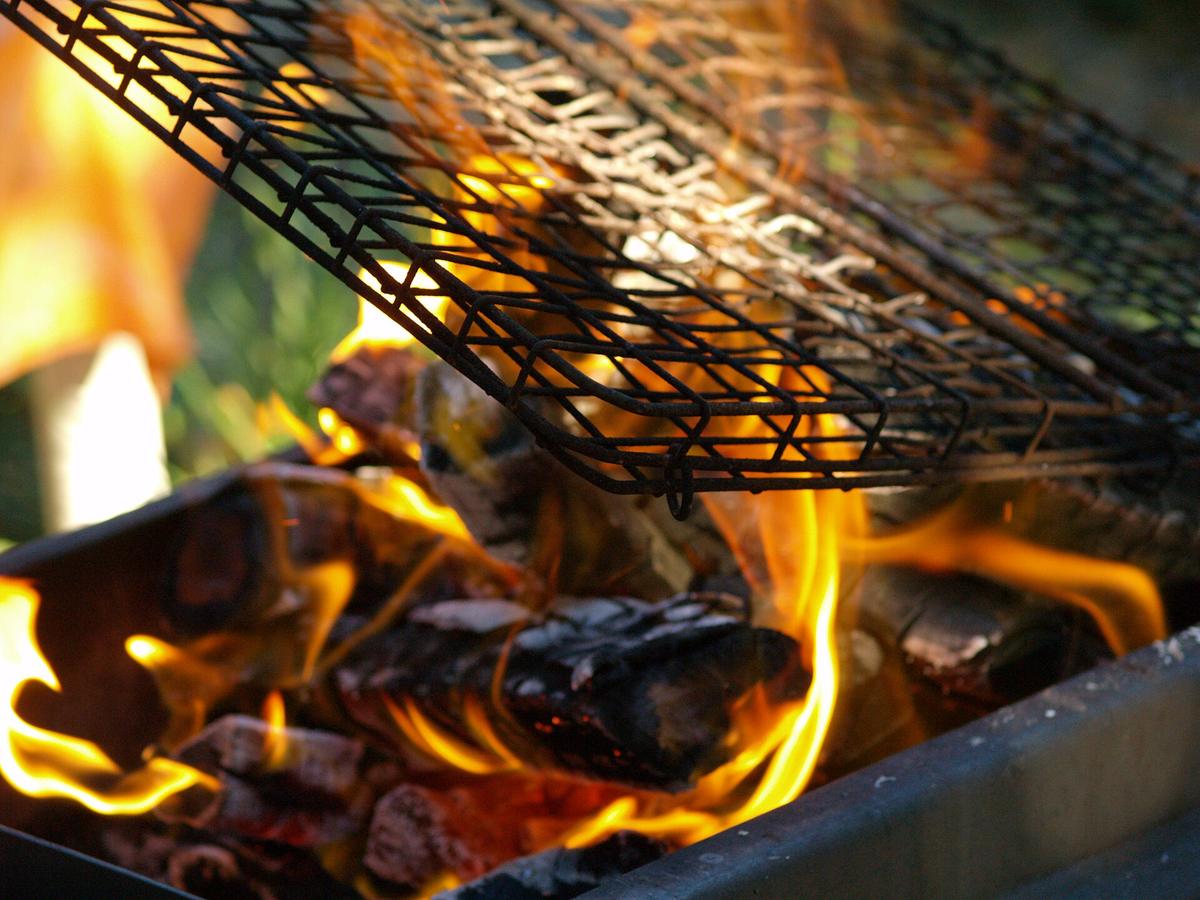
The braai is a social form, not a menu item. You gather around wood or charcoal. Never gas. The meat changes by coast. On the West Coast, the essential braai ingredient is snoek, an oily line-caught fish basted with apricot jam and butter and cooked over coals. The season for West Coast rock lobster, or kreef, runs November to April. The best places to eat it are strandveld eateries near the fishing harbours of Paternoster, Lambert's Bay, and Elands Bay. Do not order rock lobster in Cape Town. It will be frozen and overpriced. On the Cape Peninsula, the braai includes boerewors, lamb chops, chicken, steak, pap, braaibroodjies, and potato salad. The coastal seafood species to know are snoek, hake, mussels, oysters, calamari, yellowtail, and Cape salmon. Pickled fish is a coastal Cape tradition, not a supermarket product. Buy it if you see it in a deli. Do not buy it from a plastic tub at a petrol station.
Skip The Strip, Drive To The Harbour
Skip the famous Camps Bay seafood restaurants. They charge Cape Town tasting menu prices for frozen linefish. Drive to a West Coast fishing village and buy rock lobster from the harbour co-op. Braai it yourself. That is the experience. The braai is not a spectator sport. You participate, or you leave.
| Category | Price Range Per Person | What You Get |
|---|---|---|
| Standard Tasting | ZAR 40 to ZAR 150 | 4 to 6 wines at a counter or bar. Walk-ins accepted at many large estates. |
| Reserve Or Cellar Tasting | ZAR 150 to ZAR 400 | Older vintages, barrel samples, or food pairings. Book ahead. |
| Tasting Menu, No Wine | ZAR 900 to ZAR 1,800 | Multi course lunch at the top estates. Book 3 to 6 months ahead for summer. |
| Wine Pairing Supplement | ZAR 500 to ZAR 1,200 | Added to the tasting menu. The top pairings are worth it. |
| Glass Of Wine At A Restaurant | ZAR 50 to ZAR 90 | House wine. Acceptable. Not remarkable. |
| Bottle Of Entry Level Wine | ZAR 180 to ZAR 350 | At a restaurant. Half the price at the estate. |
The Winelands Tasting Ecosystem: Book or Fail
The Winelands are not a free-for-all. In peak season, December to February, every slot fills. Franschhoek is the worst offender. The Franschhoek Wine Tram is a hop on hop off vineyard circuit. Book it ahead or you do not get on. Smaller estates require reservations for any visit. Groups of eight or more need advance booking everywhere. The drink driving limit is 0.05 grams per 100 millilitres of blood, roughly one standard drink for many adults. There is no legal two drink allowance. Roadblocks are frequent on weekends near the wine routes. Plan a designated driver or pay for a driver service. It is cheaper than a DUI fine.
Skip the most famous Stellenbosch estates that run tasting rooms like airport terminals. The big names produce good wine but the experience feels rushed. Book the smaller Hemel en Aarde Valley producers for a focused session. The fee at a premium estate runs ZAR 150 to ZAR 400 for a reserve cellar visit. Pay it. The standard ZAR 40 to ZAR 150 option gives you four to six wines at a counter, which is fine for a quick stop but not a meal. The fine dining menus in Franschhoek and Stellenbosch cost ZAR 900 to ZAR 1,800 per person before wine, with a pairing supplement of ZAR 500 to ZAR 1,200. That sounds expensive. Compare it to London, Paris, or New York, where equivalent menus cost two to three times more. The value is real. Book three to six months ahead for summer.
How To Identify The Right Experience Per District
City Bowl means Cape Malay: home kitchens in the Bo-Kaap and the Gatsby takeaway shops in Athlone. Atlantic Seaboard means overpriced seafood and sunset cocktails. Skip it for eating. Southern Suburbs means university cafes and less tourist infrastructure. Fine for a coffee at ZAR 30 to ZAR 50, not a destination meal. Cape Peninsula South means wild beaches and penguins. The Winelands means a booking ecosystem, not a quick lunch. The Whale Coast means Hermanus cliff path and seafood; book ahead in whale season. The Garden Route West means Mossel Bay to Knysna and the Knysna Heads. The West Coast means snoek braais and rock lobster. The Breede River Valley means brandy and dessert wine. The Klein Karoo means ostrich farms and Route 62 road trip stops. Each district has one dominant food logic. Follow it.
Common Questions
Do I need to book wine tastings in the Western Cape during summer?
Yes. Walk ins are accepted at many large estates, but smaller and high end estates require booking, especially on weekends and from November to March. Groups of eight or more need advance booking everywhere.
What is the difference between Cape Malay koesisters and Afrikaans koeksisters?
Cape Malay koesisters are spiced, syruped doughnuts. Afrikaans koeksisters are plaited, sticky, and syrupy but not spiced. Order the wrong one and the texture and flavour will confuse you.
Can I eat Cape Malay food outside the Bo-Kaap?
You can, but the quality drops fast. The Bo-Kaap is the origin of the tradition. Tourist restaurants outside the quarter serve a generic curry and call it Cape Malay. Stick to the Bo-Kaap.
Is the Garden Route a two day drive from Cape Town?
No. The full route from Cape Town to Gqeberha is 750 kilometres one way. A two day drive means spending the whole trip behind a windscreen. Budget seven days minimum for the province.
Read next
-
 Western Cape Hotels – From Vineyard Stays to Cliffside Guesthouses
Western Cape accommodation ranges from Winelands vineyard manors to clifftop guesthouses above the Whale Coast. Here is what your budget gets in each region.
Western Cape Hotels – From Vineyard Stays to Cliffside Guesthouses
Western Cape accommodation ranges from Winelands vineyard manors to clifftop guesthouses above the Whale Coast. Here is what your budget gets in each region.
-
 Where to Stay in the Western Cape – Which Town Matches Your Trip
Your choice of base town in the Western Cape shapes everything from driving times to wind exposure. Compare Cape Town, Stellenbosch, Hermanus, and Knysna side by side.
Where to Stay in the Western Cape – Which Town Matches Your Trip
Your choice of base town in the Western Cape shapes everything from driving times to wind exposure. Compare Cape Town, Stellenbosch, Hermanus, and Knysna side by side.
-
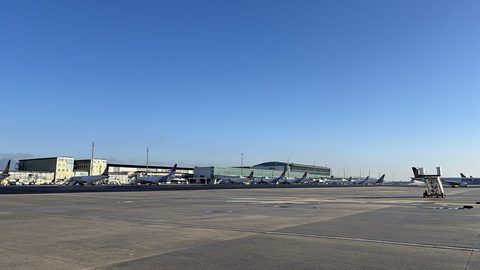 Flying Into Cape Town International and When Johannesburg Works
Flying into Cape Town International, what the airport transfer options are, and when Johannesburg or George Airport is the smarter entry point.
Flying Into Cape Town International and When Johannesburg Works
Flying into Cape Town International, what the airport transfer options are, and when Johannesburg or George Airport is the smarter entry point.
-
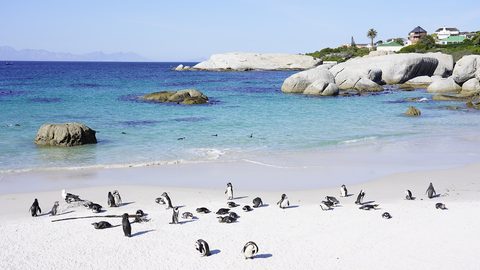 Things to Do in the Western Cape – Spending Limited Days Well
Not every Western Cape attraction earns its driving time. Here are the experiences that justify limited holiday days, from Table Mountain to the Knysna lagoon.
Things to Do in the Western Cape – Spending Limited Days Well
Not every Western Cape attraction earns its driving time. Here are the experiences that justify limited holiday days, from Table Mountain to the Knysna lagoon.
-
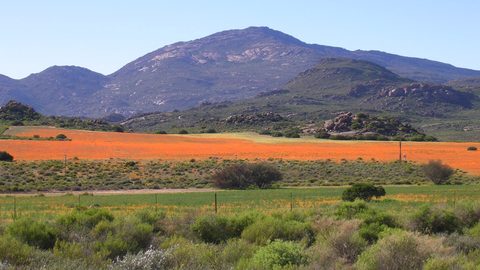 Best Time to Visit the Western Cape – Wind, Whales and Honest Months
The Western Cape's best month depends on your tolerance for wind, whales, or wildflowers. Here is an honest month-by-month breakdown, including when to avoid the coast entirely.
Best Time to Visit the Western Cape – Wind, Whales and Honest Months
The Western Cape's best month depends on your tolerance for wind, whales, or wildflowers. Here is an honest month-by-month breakdown, including when to avoid the coast entirely.
-
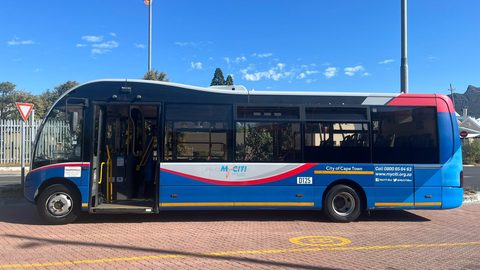 Getting Around the Western Cape – Airport Transfer and Why You Need a Car
Cape Town airport has a fast MyCiTi bus to the city, but beyond the City Bowl you will need a rental car. Here is why, and what Google Maps gets wrong about driving times.
Getting Around the Western Cape – Airport Transfer and Why You Need a Car
Cape Town airport has a fast MyCiTi bus to the city, but beyond the City Bowl you will need a rental car. Here is why, and what Google Maps gets wrong about driving times.
-
 Table Mountain
The Table Mountain cableway closes on wind, often for days in summer. Plan with a live forecast, flexible tickets, and a backup day.
Table Mountain
The Table Mountain cableway closes on wind, often for days in summer. Plan with a live forecast, flexible tickets, and a backup day.
-
 Robben Island
 ferry tickets sell out 2+ weeks ahead in peak season and still cancel for weather. Book early, keep the day flexible, know the refund policy.
Robben Island
Robben Island ferry tickets sell out 2+ weeks ahead in peak season and still cancel for weather. Book early, keep the day flexible, know the refund policy.
-
 Cape Point
 is not the southernmost tip of Africa—Cape Agulhas is. Here is what Cape Point actually offers and why it is still worth the drive.
Cape Point
Cape Point is not the southernmost tip of Africa—Cape Agulhas is. Here is what Cape Point actually offers and why it is still worth the drive.