Month by Month in the Western Cape, With the Wind Treated Honestly
The Western Cape's best month depends on your tolerance for wind, whales, or wildflowers. Here is an honest month-by-month breakdown, including when to avoid the coast entirely.
December’s South-Easter Hits Like a Firehose
You arrive at the Table Mountain cableway queue at 09:00, sun blazing. By 09:15 the Cape Doctor has pinned the cabins to their towers. The wind gusts to 80 km/h and the operator shuts the line for the rest of the day. That is December in the Western Cape. The province delivers its best light and worst weather in the same hour. First-timers who plan a rigid itinerary around perfect beach days end up eating lunch indoors, watching sand scour the window.
December to February: Sun, School Holidays and the Cape Doctor
The Cape Doctor Rules Summer
High summer runs from December to February. Cape Town averages 26°C highs and 16°C lows in January. February is identical. December hits 25°C and 15°C. These are the driest months. January and February each receive roughly 15 mm of rain. But the south-easterly wind, the Cape Doctor, dominates from November through February. It cancels the cableway unpredictably. On windless days Camps Bay and Clifton are postcard-perfect. On windy days the beaches become sandblasting tunnels. You cannot hold a towel flat.
The Christmas-New Year Bottleneck
The Christmas to New Year week is the period to actively avoid. Coastal towns from Hermanus to Plettenberg Bay gridlock. Accommodation rates jump 30 to 100 percent. Beaches reach capacity by mid-morning. South African school summer holidays run mid-December to mid-January, so domestic crowds compound international arrivals. If you must travel in this window, book accommodation and key restaurants three to six months ahead. Accept that some days will be wind cancellations. Drive Chapman's Peak at 07:30, before the traffic builds. Have a backup plan for every outdoor activity.
Easter weekend creates a similar local exodus with the same price surge and road pressure. Avoid that too.
March: The Real Sweet Spot
March delivers the best balance. Average highs hit 25°C and lows drop to 14°C. Wind frequency drops. The summer crowds have left. The water is still warm enough for swimming and the cableway runs more consistently.
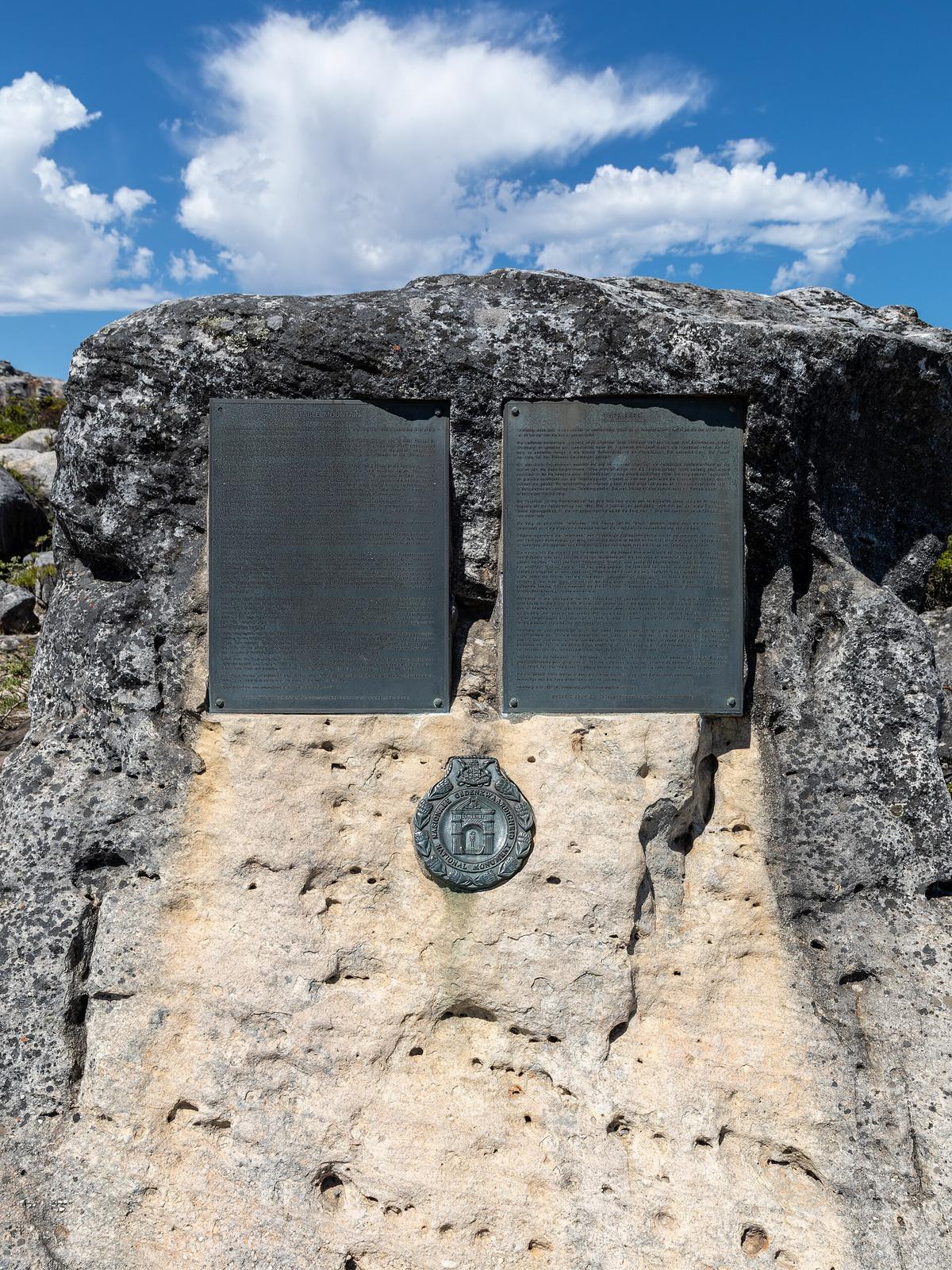
,_Table_Mountain,_Seilbahn,_Gedenkplatte_--_2024_--_2870.jpg)
June to November: Whales, Rain and Narrow Windows
Winter Rain and Whale Routes
Winter brings the rain. Cape Town's wettest months are June through August, with the average annual rainfall of 515 mm concentrated in this period. June averages 17°C highs and 8°C lows. July runs 17°C and 7°C. August hits 17°C and 8°C. Days are short and grey. Many outdoor activities are weather-dependent.
Whale Coast season runs June to November, with peak months August through October. The Hermanus Cliff Path delivers 12 km of land-based whale watching. Southern right whales come within 50 metres of the shore. The catch: August and September are also the wettest months. You need rain gear and flexible timing. A storm rolls in and the whales dive. You see nothing. Plan three days in Hermanus to guarantee at least one clear viewing window.
The Wildflower Sprint
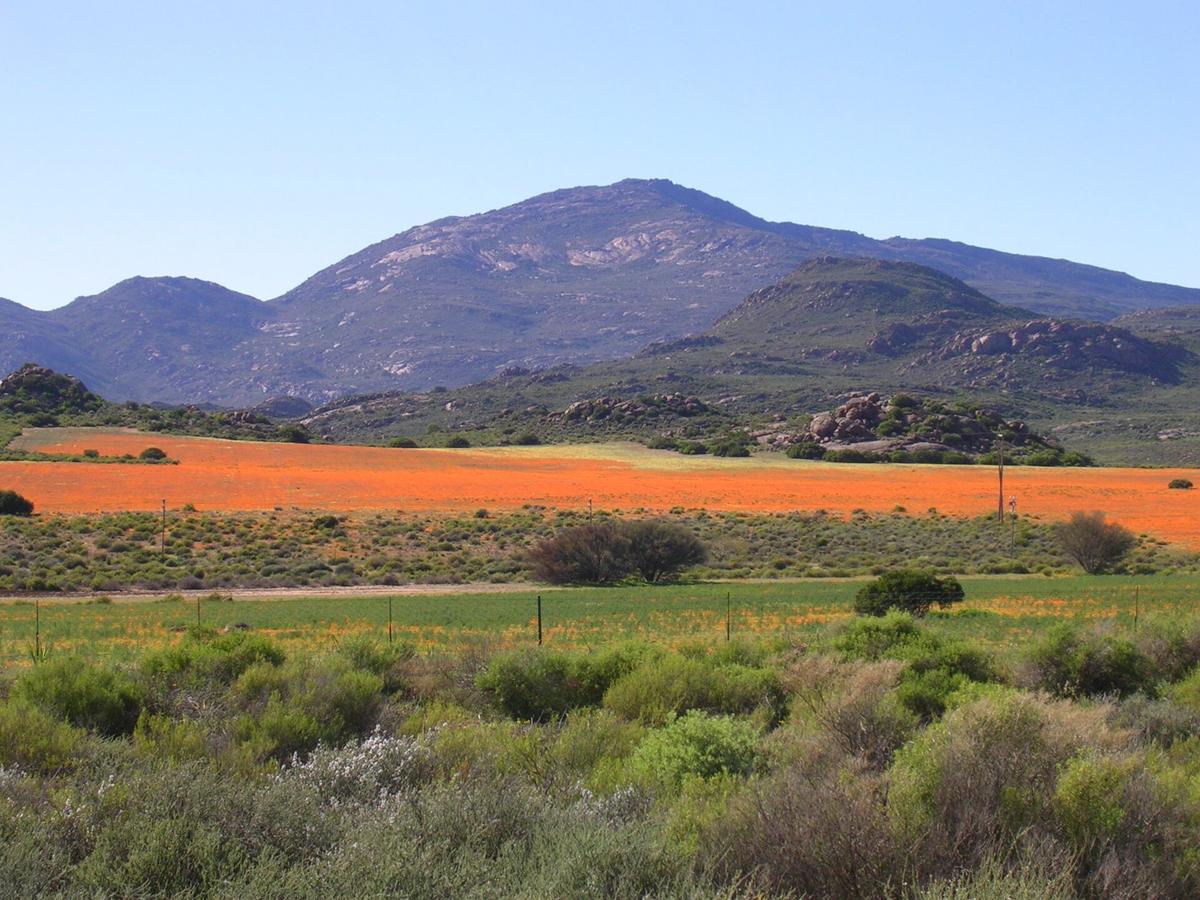
West Coast wildflower season runs August to September, peaking in late August to early September. The bloom is spectacular but narrow. Arrive a week early and the flowers are buds. Arrive a week late and they are brown. Check the West Coast National Park social feeds for daily bloom reports. Book accommodation in Langebaan or Paternoster before August 1. The Cederberg wilderness area also blooms, but involves 2.5 hours of driving from Cape Town each way. Start before 07:00.
Spring Shoulders and School Holidays
South African school winter holidays run late June to mid-July. The emptiest beach months are May through September. You can have stretches of sand to yourself, but the water is too cold for swimming without a wetsuit. September averages climb back to 19°C highs and 9°C lows. October hits 21°C and 11°C. November reaches 23°C and 13°C. The spring holiday runs late September to early October. Book ahead for that fortnight.
| Month | Average High | Average Low | Rainfall Pattern | Key Event |
|---|---|---|---|---|
| January | 26°C | 16°C | Driest | Cape Doctor peaks, cableway closures likely |
| February | 26°C | 16°C | Driest | Cape Doctor continues, crowds thin after mid month |
| March | 25°C | 14°C | Dry | Best balance: lower wind, fewer crowds |
| April | 22°C | 12°C | Wetter start | Autumn colours, wine harvest tails off |
| May | 19°C | 9°C | Rain increases | Empty beaches, whale season begins |
| June | 17°C | 8°C | Wettest month | Winter rain, school holidays late June |
| July | 17°C | 7°C | Wettest month | Peak whale viewing, coldest month |
| August | 17°C | 8°C | Wettest month | Wildflower peak late Aug, whales peak |
| September | 19°C | 9°C | Rain easing | Whales peak, wildflower window closes |
| October | 21°C | 11°C | Drier | Cape Town Marathon weekend, spring crowds |
| November | 23°C | 13°C | Dry | Cape Doctor returns, cableway more reliable |
| December | 25°C | 15°C | Dry | Festive rush, Cape Doctor strong |
March: the Sweet Spot You Should Book Now
March is the month when the Western Cape functions the way brochures imply it always does. Average highs of 25°C. Lows of 14°C. The Cape Doctor has not yet arrived in force. The summer crowds from Europe and North America have left. South African schools are back in session. Accommodation rates drop from their January peak. The cableway runs on most days. The water at Boulders Beach holds the February warmth for the penguin viewing. The Franschhoek Wine Tram still operates, but without the December queues.
The Road Trip That Actually Works
This is the month for a road trip that holds together. Seven days minimum let you cover Cape Town for three days, the Winelands for two, and the Whale Coast for two, without rushing. You can drive the Garden Route west from Mossel Bay to Knysna at a pace that lets you stop for indigenous forest walks and lagoon views. You are not racing to the next booking. Google Maps underestimates driving times on secondary mountain passes by 30 to 50 percent. Add that buffer to every leg. The single thing that most often goes wrong here is assuming the Garden Route is a quick two-day drive from Cape Town and back. The full route from Cape Town to Gqeberha is 750 km one way. Trying to rush it means spending the entire trip behind a windscreen.

Best Time to Visit Western Cape
The Western Cape suits road-trippers who love dramatic coastal and mountain driving. Wine and food obsessives. Active travellers mixing hiking, surfing and cycling. Botanists and fynbos enthusiasts. Digital nomads wanting Cape Town as a base with weekend escapes. It does not suit travellers seeking a cheap all-inclusive beach resort holiday. It does not suit those who dislike driving or refuse to rent a car. It does not suit anyone wanting a reliably hot, windless summer beach break every single day. The province rewards travellers who stay flexible and avoid trying to tick off the entire Garden Route in a long weekend. The single thing that most often goes wrong here is underestimating the distances between headline stops and the raw wind that can flatten a beach day or a hike. Plan for seven days minimum. Book March if you can. Always carry a backup plan.
Common Questions
When is the best month for guaranteed Table Mountain cableway access?
November through March offers the clearest conditions, but even then the Cape Doctor can shut the cableway at any time from November to February. March gives the best combination of clear skies and lower wind frequency. Check the cableway webcam at 07:00 and arrive by 08:30 if it is running. Have a Plan B for the day if it closes.
Can I see whales and wildflowers on the same trip?
Yes, but the overlap window is narrow. Peak whales run August through October. Peak wildflowers run late August to early September. The shared window is roughly the last week of August and first week of September. Book accommodation by July 1 and expect rain on half your days.
Should I avoid Cape Town entirely in January?
No, but avoid the Christmas to New Year week. From January 5 onward the crowds thin and the weather remains excellent. The Cape Doctor still blows but you can plan around it by scheduling indoor wine tastings and Kirstenbosch walks for windy afternoons. Book accommodation three months ahead.
How many days do I need for the Western Cape?
Seven days minimum. Anything fewer forces you to choose between Cape Town, the Winelands and the Whale Coast with no room for weather disruptions. With seven days you can absorb a lost cableway day or a rainy Hermanus morning and still hit your main stops.
What is the cheapest month to visit?
May through September. Accommodation rates drop 30 to 50 percent from summer peaks. The trade-off is rain, cold water and some road closures from mountain fires in late summer. You get empty beaches and whale viewing from June onward. Pack a jacket and a rain shell and accept that some days will be indoor days.
Read next
-
 Western Cape Hotels – From Vineyard Stays to Cliffside Guesthouses
Western Cape accommodation ranges from Winelands vineyard manors to clifftop guesthouses above the Whale Coast. Here is what your budget gets in each region.
Western Cape Hotels – From Vineyard Stays to Cliffside Guesthouses
Western Cape accommodation ranges from Winelands vineyard manors to clifftop guesthouses above the Whale Coast. Here is what your budget gets in each region.
-
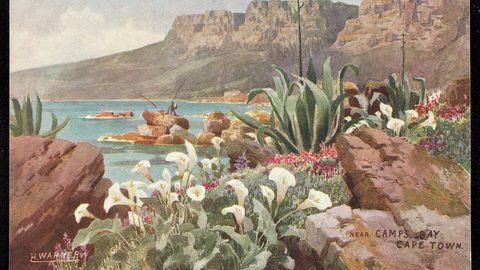 Where to Stay in the Western Cape – Which Town Matches Your Trip
Your choice of base town in the Western Cape shapes everything from driving times to wind exposure. Compare Cape Town, Stellenbosch, Hermanus, and Knysna side by side.
Where to Stay in the Western Cape – Which Town Matches Your Trip
Your choice of base town in the Western Cape shapes everything from driving times to wind exposure. Compare Cape Town, Stellenbosch, Hermanus, and Knysna side by side.
-
 Flying Into Cape Town International and When Johannesburg Works
Flying into Cape Town International, what the airport transfer options are, and when Johannesburg or George Airport is the smarter entry point.
Flying Into Cape Town International and When Johannesburg Works
Flying into Cape Town International, what the airport transfer options are, and when Johannesburg or George Airport is the smarter entry point.
-
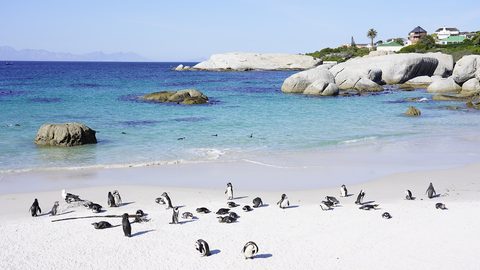 Things to Do in the Western Cape – Spending Limited Days Well
Not every Western Cape attraction earns its driving time. Here are the experiences that justify limited holiday days, from Table Mountain to the Knysna lagoon.
Things to Do in the Western Cape – Spending Limited Days Well
Not every Western Cape attraction earns its driving time. Here are the experiences that justify limited holiday days, from Table Mountain to the Knysna lagoon.
-
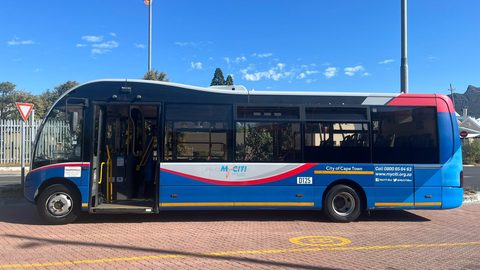 Getting Around the Western Cape – Airport Transfer and Why You Need a Car
Cape Town airport has a fast MyCiTi bus to the city, but beyond the City Bowl you will need a rental car. Here is why, and what Google Maps gets wrong about driving times.
Getting Around the Western Cape – Airport Transfer and Why You Need a Car
Cape Town airport has a fast MyCiTi bus to the city, but beyond the City Bowl you will need a rental car. Here is why, and what Google Maps gets wrong about driving times.
-
 Western Cape Itineraries That Leave Things Out on Purpose
Realistic Western Cape itineraries that cluster geographically, leave out the Garden Route on short trips, and build in weather buffers.
Western Cape Itineraries That Leave Things Out on Purpose
Realistic Western Cape itineraries that cluster geographically, leave out the Garden Route on short trips, and build in weather buffers.
-
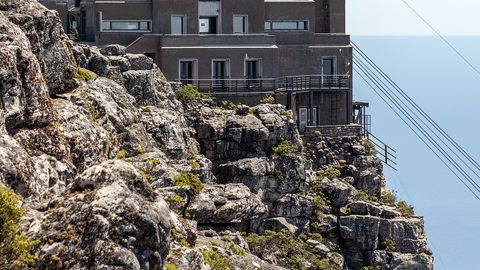 Table Mountain
The Table Mountain cableway closes on wind, often for days in summer. Plan with a live forecast, flexible tickets, and a backup day.
Table Mountain
The Table Mountain cableway closes on wind, often for days in summer. Plan with a live forecast, flexible tickets, and a backup day.
-
 Robben Island
 ferry tickets sell out 2+ weeks ahead in peak season and still cancel for weather. Book early, keep the day flexible, know the refund policy.
Robben Island
Robben Island ferry tickets sell out 2+ weeks ahead in peak season and still cancel for weather. Book early, keep the day flexible, know the refund policy.
-
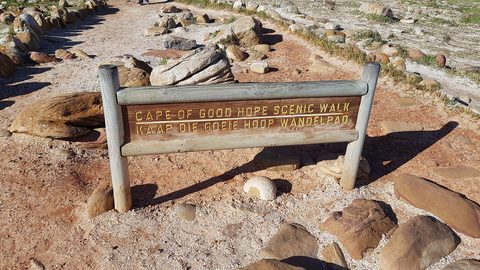 Cape Point
 is not the southernmost tip of Africa—Cape Agulhas is. Here is what Cape Point actually offers and why it is still worth the drive.
Cape Point
Cape Point is not the southernmost tip of Africa—Cape Agulhas is. Here is what Cape Point actually offers and why it is still worth the drive.