Western Cape Accommodation by Property Type and Budget
Western Cape accommodation ranges from Winelands vineyard manors to clifftop guesthouses above the Whale Coast. Here is what your budget gets in each region.
You are standing at a wine estate tasting room in the valley at 10:00 AM, jacket on against the breeze. By 3:00 PM you will be peeling off layers on a Knysna lagoon deck. By sunset you will need that jacket back. That is the Western Cape in a single day: four microclimates, two price bands, and one decision that determines whether your trip feels like a holiday or a logistics drill. The question is not where to stay. It is what kind of accommodation buys you the right freedom for each region, and whether your budget is ready for the shock of peak season in the Winelands and Whale Coast.
Vineyard Estates: What Your Money Actually Buys in the Winelands
A wine estate stay is not a hotel with a vineyard view. It is a working farm. The tasting room is a five minute walk from your cottage, and the estate restaurant may be the best meal within 20 kilometres. Low season rates run R1,500 to R4,500 per night for a room or cottage on the property. High season, December through February and Easter, pushes that to R2,500 to R8,000. The downside: you are tied to the estate's hours for dinner. Many estates close their restaurants on Monday and Tuesday in low season, leaving you with a 20 minute drive to the nearest town.
Franschhoek Versus Stellenbosch
A mid range budget in the Franschhoek Valley means R2,000 to R3,000 in low season. That buys a garden cottage on a working farm with a small pool, wine tasting included, and breakfast delivered to your door. In Stellenbosch, the same money gets an en suite room in a larger manor house with estate restaurant access and mountain views. The difference: properties around the village are smaller, quieter, and further from shops. Stellenbosch estates sit closer to town, so you can walk to dinner. Neither option gives you sea views or evening entertainment beyond the estate's walls. That is the trade off.
Peak Season Surprise
First timers underestimate how much prices spike. A cottage in the winelands that costs under R3,000 in August quadruples for the week between Christmas and New Year. That same property is booked out by August. Book six months ahead for December stays. Budget for the top of the range, not the middle. Arrive in January without a reservation and expect to pay R6,000 plus for anything with a roof and a vineyard view.


Coastal Guesthouses: Where the Wind Changes the Value
A boutique guesthouse on the Atlantic Seaboard or Whale Coast gives you breakfast included, off street parking behind a locked gate, and a lounge where you can shelter when the south easter hits. Low season rates run R900 to R2,800 per night. High season jumps to R1,800 to R4,500. The value proposition shifts depending on whether you are looking at Hermanus, Knysna, or Camps Bay.
Knysna Versus Hermanus
In Knysna, book a mid range guesthouse on the lagoon side of the heads. At R1,800 per night in shoulder season you get a garden, breakfast, and a 10 minute walk to the Waterfront. In Hermanus during whale season, June to November, the same money puts you on the cliff path with direct whale watching access. But the coastal wind can make the terrace unusable for days. Knysna wins for calm water. Hermanus wins for land based whale watching, but only if you book a guesthouse with a sheltered courtyard. Sea view rooms in both towns cost 30 to 50 percent more than garden rooms. Decide what you will actually use. Spending daylight hours driving? Skip the sea view premium.
Atlantic Seaboard Reality
Camps Bay and Clifton guesthouses push R3,500 to R4,500 in high season for a sea view room. The south easter gusts 60 to 80 km/h for days on end, turning the famous beach into a sandblasting experience. You are paying for the postcard, not the beach day. Book a guesthouse in the City Bowl or Southern Suburbs instead. The mountain blocks the worst of the wind. Pair it with day trips to the coast when the forecast allows. You lose the sunset view from your window but gain usable outdoor space and a wider restaurant selection within walking distance.
| Type | What You Get | Low Season Per Night | High Season Per Night |
|---|---|---|---|
| City Hotel | En suite room, daily housekeeping, on site restaurant, 24 hour front desk, secure parking | R1,200 to R3,500 | R2,500 to R6,000 |
| Boutique Guesthouse | En suite room, breakfast included, shared lounge, off street parking | R900 to R2,800 | R1,800 to R4,500 |
| Self Catering Apartment | Private kitchen, bathroom, laundry facilities, no daily housekeeping | R800 to R2,500 | R1,500 to R4,000 |
| Wine Estate Stay | Room or cottage on working farm, wine tasting access, estate restaurant | R1,500 to R4,500 | R2,500 to R8,000 |
| Backpacker Lodge Dorm | Dorm bed, shared bathroom and kitchen, communal lounge | R250 to R450 | R350 to R600 |
| Backpacker Lodge Private | Private room, shared bathroom and kitchen, communal lounge | R600 to R1,200 | R800 to R1,800 |
| Luxury Lodge | Private suite or villa, full board or a la carte, pool, spa, guided experiences | R4,000 to R12,000 | R6,000 to R20,000+ |
Self Catering Cottages and Boutique City Hotels: the Flexibility Play
Self catering apartments give you a private kitchen and laundry. No daily housekeeping. A price ceiling you control by cooking your own meals. Low season runs R800 to R2,500 per night; high season R1,500 to R4,000. The catch: load shedding. Many self catering units rely on electric geysers and have only an inverter for backup. Hot water and WiFi cut out during outages. If you are a digital uPhone or a family wanting reliable hot showers after a day on the road, verify backup power before booking. City hotels and luxury lodges are more likely to have a generator. Boutique guesthouses and self catering units have an inverter, which covers lights and WiFi but not a geyser or oven.
Boutique City Hotels In Cape Town
A city hotel in the City Bowl or V&A Waterfront zone costs R1,200 to R3,500 in low season and R2,500 to R6,000 in high season. You get a 24 hour front desk, secure parking, and a restaurant that stays open through load shedding because it has a generator. The value is in convenience, not space. A standard room is small. The breakfast buffet adds R200 to R300 per person. The alternative: a boutique guesthouse in the Southern Suburbs or Tamboerskloof at R1,800 to R2,500 in low season, breakfast included, with a garden and off street parking. You trade a 15 minute walk to the V&A for a 10 minute Uber ride. Take that swap if you plan to cook some meals or work from a lounge.
What Mid Range Buys In Knysna Versus The Winelands
In Knysna, R2,000 in low season gets a self catering apartment near the Waterfront with lagoon views, a full kitchen, and a balcony. In wine country, that same money buys a garden cottage on an estate but no kitchen, so you eat out every meal. The Knysna option costs less per day because you control food costs. The estate option includes breakfast but demands dinner reservations and spending. On a strict budget, Knysna or the Garden Route West delivers better value. If food and wine are the reason you came, the estate is worth the premium. Book it three months ahead for high season.
Matching Your Stay to the Western Cape
The Western Cape suits road trippers who love dramatic coastal driving, wine and food travellers, active hikers and cyclists, and digital nomads wanting Cape Town as a weekend escape base. Rent a car the moment you leave the city core. Give yourself seven days minimum to cover the province without rushing. Adapt your plans when the wind cancels a beach day or the cableway.
The Western Cape does not suit travellers seeking a cheap all inclusive beach resort, anyone who refuses to drive, or anyone wanting a reliably hot, windless summer beach break every single day. The Western Cape does not deliver that. It delivers variety. The accommodation that matches that variety is what makes the trip work.
Common Questions
How far ahead should I book accommodation in the Western Cape?
December to February high season requires 3 to 6 months lead time for wine estates and coastal guesthouses. The week between Christmas and New Year is heavily booked by August. Shoulder season March, April, October, November allows 1 to 2 months. Low season May to September often has last minute availability, but whale season in Hermanus June to November still requires 2 months lead.
What does a mid range budget actually buy in Franschhoek?
R2,000 to R3,000 per night in low season buys a garden cottage on a working wine estate with breakfast included, wine tasting access, and a small pool. You will need to drive 10 to 20 minutes for dinner if the estate restaurant is closed. High season the same cottage costs R6,000 to R8,000.
Is the Garden Route a quick drive from Cape Town?
No. The full route from Cape Town to Gqeberha, Port Elizabeth, is 750 kilometres one way. A two day drive means spending most of the trip behind a windscreen. Budget 7 days minimum for Cape Town, the Winelands, and the Whale Coast alone. The Garden Route needs 4 to 5 days added to that.
How does load shedding affect my accommodation choice?
City hotels, luxury lodges, and wine estates are most likely to have a generator. Boutique guesthouses and self catering apartments have an inverter, which covers lights and WiFi but not hot water from an electric geyser. Backpacker lodges often have no backup. Ask before booking if reliable WiFi and hot water are essential.
Why are Knysna guesthouses cheaper than Franschhoek wine estates?
Knysna has more self catering apartments and guesthouses in a less exclusive market. A mid range guesthouse in Knysna runs R1,500 to R2,000 in low season, while a wine estate in Franschhoek starts at R2,500. The price difference reflects land value, demand, and the fact that wine estates are working farms with limited rooms.
Should I pay extra for a sea view room?
Only if you will actually spend time on the terrace. In summer, the south easter wind makes sea facing balconies on the Atlantic Seaboard and Whale Coast uncomfortable for days at a time. Garden rooms cost 30 to 50 percent less and are more usable. In Knysna, where the lagoon is sheltered, a water view is worth the premium.
What security should I expect at different accommodation types?
City hotels have 24 hour front desk, CCTV, and room safes. Boutique guesthouses offer a locked gate and perimeter wall. Self catering apartments are in access controlled buildings with intercom systems. Wine estates have gated entrances and often night security. Backpacker lodges provide lockers for dorm guests. Luxury lodges have gated access and 24 hour security.
Read next
-
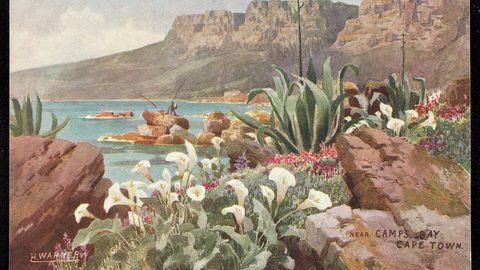
 Where to Stay in the Western Cape – Which Town Matches Your Trip
Your choice of base town in the Western Cape shapes everything from driving times to wind exposure. Compare Cape Town, Stellenbosch, Hermanus, and Knysna side by side.
Where to Stay in the Western Cape – Which Town Matches Your Trip
Your choice of base town in the Western Cape shapes everything from driving times to wind exposure. Compare Cape Town, Stellenbosch, Hermanus, and Knysna side by side.
-
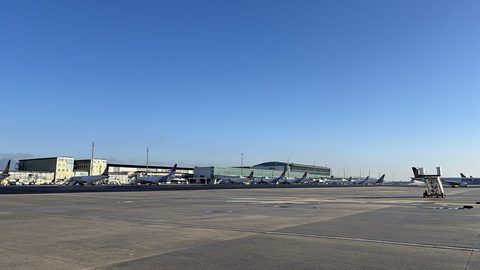 Flying Into Cape Town International and When Johannesburg Works
Flying into Cape Town International, what the airport transfer options are, and when Johannesburg or George Airport is the smarter entry point.
Flying Into Cape Town International and When Johannesburg Works
Flying into Cape Town International, what the airport transfer options are, and when Johannesburg or George Airport is the smarter entry point.
-
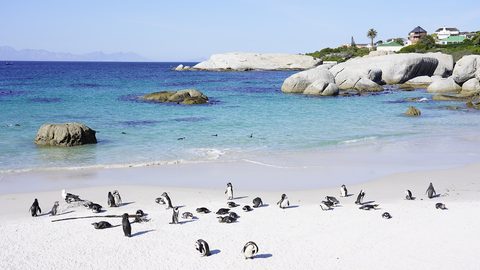 Things to Do in the Western Cape – Spending Limited Days Well
Not every Western Cape attraction earns its driving time. Here are the experiences that justify limited holiday days, from Table Mountain to the Knysna lagoon.
Things to Do in the Western Cape – Spending Limited Days Well
Not every Western Cape attraction earns its driving time. Here are the experiences that justify limited holiday days, from Table Mountain to the Knysna lagoon.
-
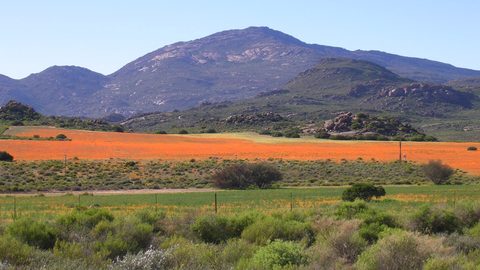 Best Time to Visit the Western Cape – Wind, Whales and Honest Months
The Western Cape's best month depends on your tolerance for wind, whales, or wildflowers. Here is an honest month-by-month breakdown, including when to avoid the coast entirely.
Best Time to Visit the Western Cape – Wind, Whales and Honest Months
The Western Cape's best month depends on your tolerance for wind, whales, or wildflowers. Here is an honest month-by-month breakdown, including when to avoid the coast entirely.
-
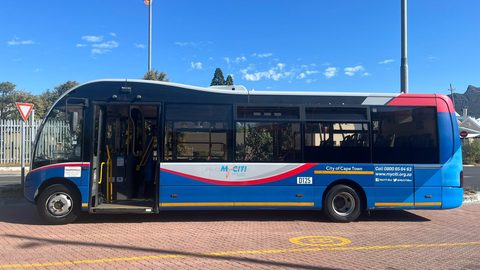 Getting Around the Western Cape – Airport Transfer and Why You Need a Car
Cape Town airport has a fast MyCiTi bus to the city, but beyond the City Bowl you will need a rental car. Here is why, and what Google Maps gets wrong about driving times.
Getting Around the Western Cape – Airport Transfer and Why You Need a Car
Cape Town airport has a fast MyCiTi bus to the city, but beyond the City Bowl you will need a rental car. Here is why, and what Google Maps gets wrong about driving times.
-
 Western Cape Itineraries That Leave Things Out on Purpose
Realistic Western Cape itineraries that cluster geographically, leave out the Garden Route on short trips, and build in weather buffers.
Western Cape Itineraries That Leave Things Out on Purpose
Realistic Western Cape itineraries that cluster geographically, leave out the Garden Route on short trips, and build in weather buffers.
-
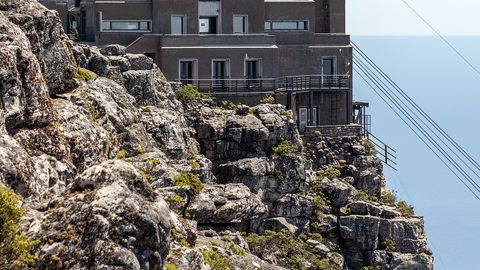 Table Mountain
The Table Mountain cableway closes on wind, often for days in summer. Plan with a live forecast, flexible tickets, and a backup day.
Table Mountain
The Table Mountain cableway closes on wind, often for days in summer. Plan with a live forecast, flexible tickets, and a backup day.
-
 Robben Island
 ferry tickets sell out 2+ weeks ahead in peak season and still cancel for weather. Book early, keep the day flexible, know the refund policy.
Robben Island
Robben Island ferry tickets sell out 2+ weeks ahead in peak season and still cancel for weather. Book early, keep the day flexible, know the refund policy.
-
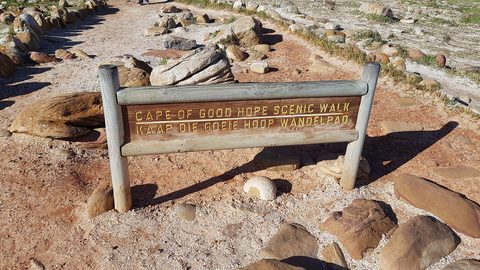 Cape Point
 is not the southernmost tip of Africa—Cape Agulhas is. Here is what Cape Point actually offers and why it is still worth the drive.
Cape Point
Cape Point is not the southernmost tip of Africa—Cape Agulhas is. Here is what Cape Point actually offers and why it is still worth the drive.