Who Should Actually Visit Cape Town in Winter
June to August in the Western Cape means whales, empty wine estates, and lower prices, but not for everyone.


Who Should Actually Visit Cape Town in Winter
The South-Easter has finally shut up. The wind that sandblasts Camps Bay all summer is gone, replaced by a different weather system altogether. You stand on the Hermanus Cliff Path in July, hands jammed in a jacket pocket, watching a southern right whale breach 50 metres from the rocks. No one else is around. That is the trade off.
If you need a beach holiday, stay home. If you need cheap flights, empty wine estates, green mountains, and the most reliable whale watching on the planet, book Cape Town for June through August. Winter is the smart season for anyone who hates crowds, does not require 30°C every day, and understands that a rain jacket is a piece of gear, not an insult.
The Realistic Trade Off: What You Get and What You Lose
Winter in Cape Town averages 16°C in June, 17°C in July, and 18°C in August. Lows drop to 7°C. That is cold enough for a proper winter coat at night and a fleece during the day. You will see 11 to 12 rainy days per month. The shortest day of the year gives you just 9 hours and 54 minutes of daylight. By August 31 you are back to 11 hours 20 minutes, which is enough for a full day of driving.
What You Gain
Hotel rates drop 30% to 50% below peak season. Domestic flights cost 20% to 40% less. Top tier restaurants in Stellenbosch and Franschhoek will take your booking the same week, not three months ahead. The wine tram in Franschhoek runs without queues. The mountain passes are green, not brown. The fynbos is flowering. The Atlantic seaboard delivers its most consistent swell for big wave surfing at Dungeons and Outer Kom. Photographers get crisp, haze free mornings. The whale season peaks July through October, and the Hermanus Cliff Path is the best land based viewing point on the continent.
What You Lose
Table Mountain Cableway closes for annual maintenance from the last week of July to early September. Verify the exact dates before you book. Even when it runs, winter clouds can shut it down for days at a time. Robben Island ferries operate daily but weather cancellations increase. You cannot swim in the ocean without a wetsuit. The sun sets before 18:00 in June. Some small towns in the Overberg and Klein Karoo have brackish tap water. Pack cash for bottled water in remote areas.
How to Build Your Winter Itinerary
Seven days is the minimum. Any less forces you to choose between Cape Town, the Winelands, and the Whale Coast with no buffer for a rain day. Arrive at Cape Town International Airport, take an Uber to the City Bowl for R200 to R350, and rent a car the next morning. Outside the city core, a rental car is the only way to move. Google Maps underestimates driving times on secondary mountain passes by 30% to 50%. Budget for that.
The City Bowl And Atlantic Seaboard (Days 1-2)
Stay in the City Bowl. It is the compact historic core under Table Mountain. Walk the Company's Garden. Eat bobotie in Bo Kaap. Visit Kirstenbosch National Botanical Garden, open 08:00 to 18:00. The fynbos is at its best in winter rain. Skip the V&A Waterfront on a rainy Saturday; it fills with locals. Go on a weekday morning. The trading hours are 09:00 to 21:00 year round.
The Whale Coast (Days 3-4)
Drive from Cape Town to Hermanus. It takes 1.5 hours on the N2. Walk the 12 km Cliff Path. Do not pay for a boat. The land based viewing is better in winter because the whales come closer to shore. Stay in Hermanus or Gansbaai. If you want shark cage diving, Gansbaai is the base. The Hermanus Whale Festival happens late September or early October, which is technically spring, but the whales are still there. Do not try to squeeze in the Garden Route on this trip. The full route from Cape Town to Gqeberha is 750 km one way. Rushing it means spending the entire trip behind a windscreen.
The Winelands (Days 5-6)
Drive to Franschhoek. It takes 50 to 80 minutes from Cape Town. Book the Franschhoek Wine Tram. In winter you do not need to book weeks ahead, but book at least a few days before. Do the hop on hop off circuit. Eat mosbolletjies for breakfast. Visit Groot Constantia, the oldest wine estate in South Africa, for tasting and a Cape Dutch architecture tour. The Hemel en Aarde Valley near Hermanus is worth a separate day if you are already on the Whale Coast.
Day Trips With No Rain Backup (Day 7)
The Cape Peninsula loop covers Boulders Beach, Cape Point, and Chapman's Peak Drive. It is 180 km and a full day. Enter Boulders Beach at 08:00 when it opens. The penguin colony is less crowded. Winter hours close at 17:00 instead of 18:30. Chapman's Peak is a toll road and one of the world's great coastal drives. If the weather is bad, skip the Peninsula and drive to the West Coast National Park instead. The wildflowers start in August. The park is 1 hour from Cape Town.
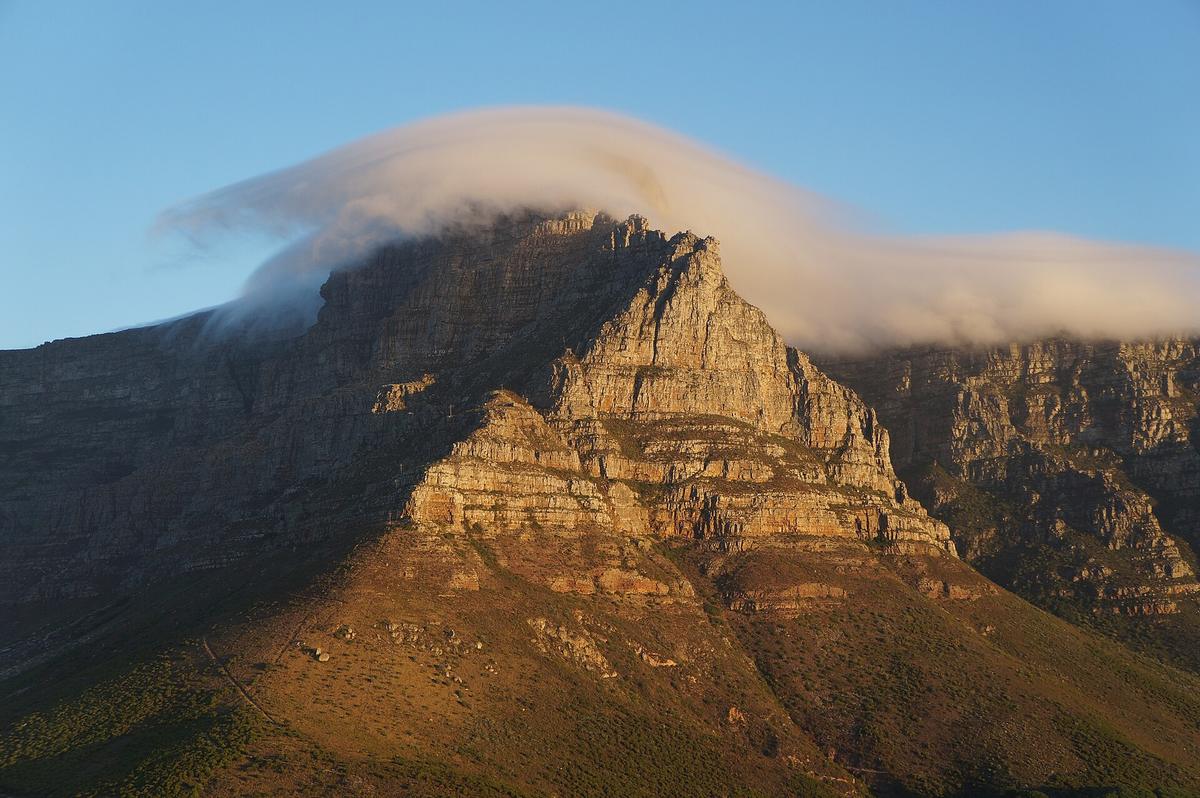
.jpg)
Read next
-

 Western Cape Hotels – From Vineyard Stays to Cliffside Guesthouses
Western Cape accommodation ranges from Winelands vineyard manors to clifftop guesthouses above the Whale Coast. Here is what your budget gets in each region.
Western Cape Hotels – From Vineyard Stays to Cliffside Guesthouses
Western Cape accommodation ranges from Winelands vineyard manors to clifftop guesthouses above the Whale Coast. Here is what your budget gets in each region.
-
 Where to Stay in the Western Cape – Which Town Matches Your Trip
Your choice of base town in the Western Cape shapes everything from driving times to wind exposure. Compare Cape Town, Stellenbosch, Hermanus, and Knysna side by side.
Where to Stay in the Western Cape – Which Town Matches Your Trip
Your choice of base town in the Western Cape shapes everything from driving times to wind exposure. Compare Cape Town, Stellenbosch, Hermanus, and Knysna side by side.
-
 Flying Into Cape Town International and When Johannesburg Works
Flying into Cape Town International, what the airport transfer options are, and when Johannesburg or George Airport is the smarter entry point.
Flying Into Cape Town International and When Johannesburg Works
Flying into Cape Town International, what the airport transfer options are, and when Johannesburg or George Airport is the smarter entry point.
-
 Things to Do in the Western Cape – Spending Limited Days Well
Not every Western Cape attraction earns its driving time. Here are the experiences that justify limited holiday days, from Table Mountain to the Knysna lagoon.
Things to Do in the Western Cape – Spending Limited Days Well
Not every Western Cape attraction earns its driving time. Here are the experiences that justify limited holiday days, from Table Mountain to the Knysna lagoon.
-
 Best Time to Visit the Western Cape – Wind, Whales and Honest Months
The Western Cape's best month depends on your tolerance for wind, whales, or wildflowers. Here is an honest month-by-month breakdown, including when to avoid the coast entirely.
Best Time to Visit the Western Cape – Wind, Whales and Honest Months
The Western Cape's best month depends on your tolerance for wind, whales, or wildflowers. Here is an honest month-by-month breakdown, including when to avoid the coast entirely.
-
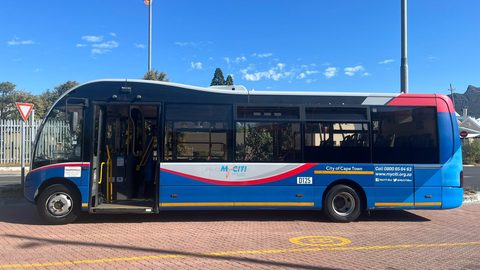 Getting Around the Western Cape – Airport Transfer and Why You Need a Car
Cape Town airport has a fast MyCiTi bus to the city, but beyond the City Bowl you will need a rental car. Here is why, and what Google Maps gets wrong about driving times.
Getting Around the Western Cape – Airport Transfer and Why You Need a Car
Cape Town airport has a fast MyCiTi bus to the city, but beyond the City Bowl you will need a rental car. Here is why, and what Google Maps gets wrong about driving times.
-
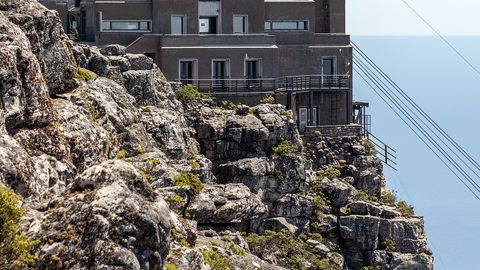 Table Mountain
The Table Mountain cableway closes on wind, often for days in summer. Plan with a live forecast, flexible tickets, and a backup day.
Table Mountain
The Table Mountain cableway closes on wind, often for days in summer. Plan with a live forecast, flexible tickets, and a backup day.
-
 Robben Island
 ferry tickets sell out 2+ weeks ahead in peak season and still cancel for weather. Book early, keep the day flexible, know the refund policy.
Robben Island
Robben Island ferry tickets sell out 2+ weeks ahead in peak season and still cancel for weather. Book early, keep the day flexible, know the refund policy.
-
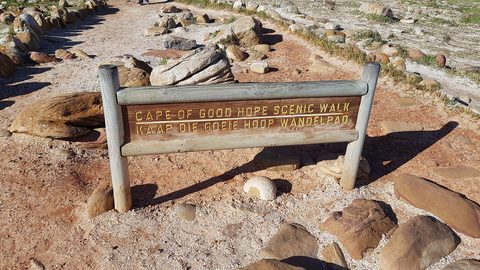 Cape Point
 is not the southernmost tip of Africa—Cape Agulhas is. Here is what Cape Point actually offers and why it is still worth the drive.
Cape Point
Cape Point is not the southernmost tip of Africa—Cape Agulhas is. Here is what Cape Point actually offers and why it is still worth the drive.