Choosing a Base Town in the Western Cape, Compared Honestly
Your choice of base town in the Western Cape shapes everything from driving times to wind exposure. Compare Cape Town, Stellenbosch, Hermanus, and Knysna side by side.
Why a Single Base Costs You Time and Money
Using Cape Town as a lone base for the whole province. That is the mistake that costs travellers days. From the City Bowl, reaching the whale coast takes 90 to 120 minutes. Knysna eats 5 hours 30 minutes to 6 hours. Each way. A day return to either burns a full driving day for a handful of hours on site. The Western Cape is not a day trip province. Decide how many bases your trip can support, then pick the town that matches your style.
The five major base towns compared here are Cape Town City Bowl, Stellenbosch, Franschhoek, the whale watching hub of Hermanus, and Knysna. Each has a distinct vibe, driving access, weather patterns, and the kind of trip it suits. The aim is a clear decision that points you to the right neighbourhood or town. No fluff. No false enthusiasm.
.jpg)
Cape Town City Bowl: the All Rounder with Tradeoffs
Walkability and the Wind
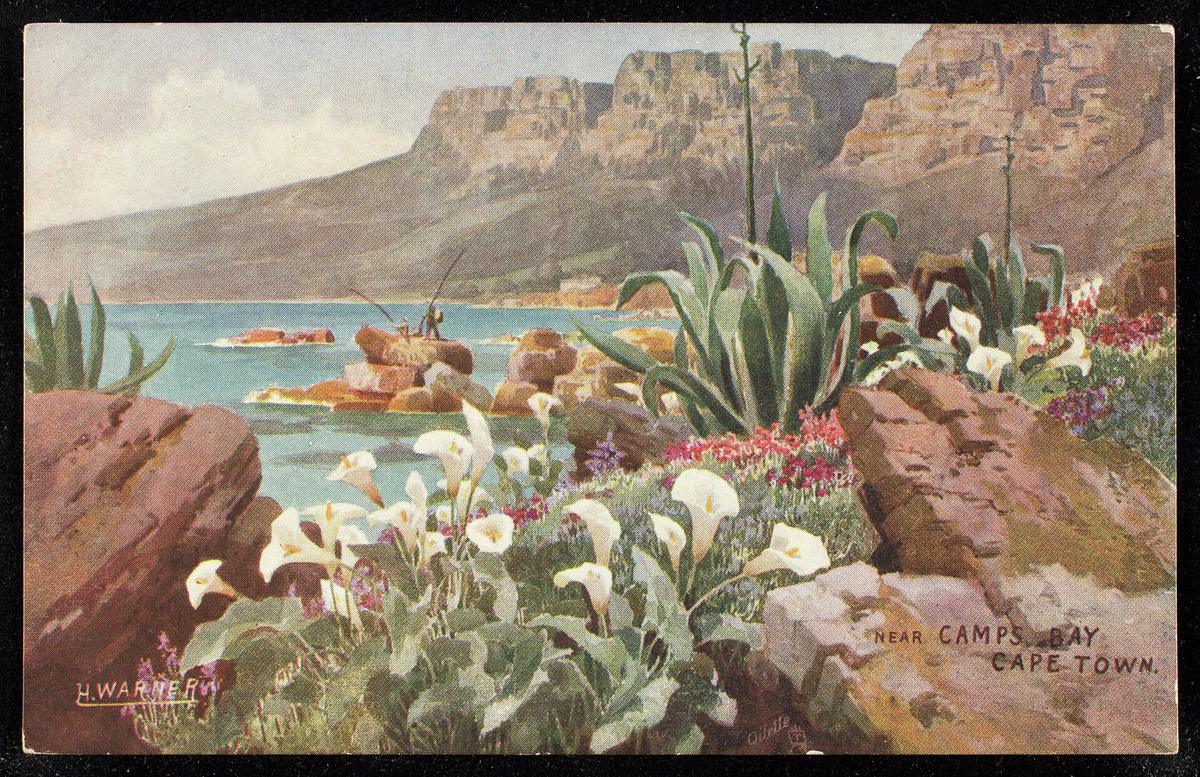
Cape Town City Bowl is the densest, most walkable base in the province. Walk from Long Street to the Company's Garden to the edge of the V&A Waterfront in 20 to 30 minutes. Bo-Kaap is a short stroll. The downside: it does not suit visitors who want beachfront lodging or quiet suburban streets. The South Easter wind can gust 60 to 80 km/h for days in summer, cancelling the Table Mountain cableway and turning Camps Bay into a sandblasting experience. You are trading direct beach access for the best urban walkability in the province.
The City Bowl works best for first time visitors who want a compact historic core and plan day trips to the Winelands. Drive from Cape Town International to your accommodation in 20 to 30 minutes. Nightly rates run from ZAR 1,200 to 4,500, with prices higher from December to March and during major events. Parking is limited and paid. Factor that into your rental car budget.
Three Cape Towns, Three Budgets
If you want a waterfront beach base, the Atlantic Seaboard is a separate proposition. It runs from Sea Point to Camps Bay. It costs more, ZAR 1,800 to 8,000 per night, and it is not walkable to the historic core. It does not suit budget travellers or anyone wanting a winelands or historic core setting. The Southern Suburbs, near Kirstenbosch, start at ZAR 900 to 3,500 and are leafy and quiet. They do not suit nightlife or beach focused visitors. Your choice within Cape Town depends on what you prioritise. The City Bowl is the most versatile single neighbourhood in the province.
Stellenbosch and Franschhoek: the Winelands Twins Are Not Interchangeable
Stellenbosch and Franschhoek are both Winelands bases. They serve different travellers. Do not treat them as the same.
Stellenbosch: the Lively University Town
Stellenbosch is a university town with an active historic core. Dorp Street, Church Street, and the university campus are all walkable. Wine estates sit within 2 to 5 km of the centre. You drive from Cape Town International in 30 to 40 minutes. Nightly rates run ZAR 1,200 to 6,000, higher from October to April and during graduation periods. It does not suit beach focused visitors or anyone wanting big city nightlife. What it does suit: travellers who want a lively town with wine, good restaurants, and the ability to get back to Cape Town in under an hour if needed. You can do a winelands base here without feeling isolated.
Franschhoek: the Premium Food Village
Franschhoek is a different animal. It is 60 to 75 minutes from Cape Town International. Nightly rates run ZAR 1,800 to 9,000, the highest of any base town on this list, and peak from December to March and during the Bastille Festival weekend. The walkable core is the village strip on Huguenot Road plus the wine tram boarding point. It does not suit budget travellers, anyone wanting coastal access, or visitors who need urban variety. What it suits: couples and food obsessives who want to spend three to four days doing nothing but eating and tasting wine. The tradeoff is clear: you pay a premium for a smaller, quieter, more expensive village with less variety beyond wine and food. Solo traveller on a budget? Skip it. Couple celebrating something? Right call.
A single base in the Western Cape can cover Cape Town City Bowl, the Atlantic Seaboard, the Southern Suburbs, and day trips to either Stellenbosch or Franschhoek. It cannot cover the whale coast town, Knysna, or Paternoster without long day returns. If you want winelands overnight, you need two bases: Cape Town plus either Stellenbosch or Franschhoek.
Hermanus and Knysna: Coastal Bases That Demand Commitment
Hermanus For Whale Season Only
The whale watching hub is 90 to 120 minutes from Cape Town International. Nightly rates run ZAR 1,000 to 5,500, highest from July to November during whale season and again in December and January. The Cliff Path is a 12 km walking route for land based whale watching. The Old Harbour, central restaurants, and Gearing's Point are all walkable. Parking is free at Cliff Path lots but paid in the centre during season.
This town does not suit visitors who want a winelands base, nightlife focused travellers, or anyone with a very short itinerary. The whale season runs July to November. Outside those months the town is quieter and cheaper. Coming for whales? Book three to six months ahead for July through November. Not interested in whales? Skip it. You lose the coastal access of Knysna and the wine access of Stellenbosch without gaining anything you need.
Knysna For Garden Route Committed Travellers Only
Knysna is 5 hours 30 minutes to 6 hours from Cape Town International. A full day of driving each way. Nightly rates run ZAR 1,000 to 4,500, highest from December to January and Easter school holidays. The walkable zone includes the Knysna Waterfront, Main Road shops, Thesen Island, and the Knysna Heads viewpoint area. Parking is free at the Waterfront lot but limited on Thesen Island.
Knysna does not suit visitors with under four nights total or anyone not planning a Garden Route route. The full Garden Route from Cape Town to Gqeberha is 750 km one way. Rushing it means spending the entire trip behind a windscreen. Got seven days minimum? Split two bases: Cape Town plus Knysna. Fewer than seven days? Skip Knysna entirely. The driving time is not negotiable. Google Maps routinely underestimates secondary mountain pass driving times by 30 to 50%.
How to Match Your Trip Style to a Base
Pick Your Base by Trip Type
Here is the breakdown.
- First time visitor with 7 days: base in Cape Town City Bowl, do day trips to Stellenbosch and the Cape Peninsula. Do not attempt the whale town or Knysna as day trips.
- Wine and food obsessive with 10 days: split between Cape Town City Bowl and Franschhoek. Four nights in each. Book Franschhoek restaurants three months ahead for peak season.
- Active traveller mixing hiking and surfing: Cape Town City Bowl or the Atlantic Seaboard. The Peninsula offers hiking and surfing within 40 minutes of the city.
- Whale watcher with 7 to 10 days: base Cape Town City Bowl for four nights, then move to the whale coast for three. Book accommodation there for July through November three to six months ahead.
- Garden Route road tripper with 14 days: base Cape Town City Bowl for four nights, drive to Knysna for four nights, then onward to Gqeberha or back. Anything less than 14 days for the full route is uncomfortable.
The Car Rule
Dislike driving or refuse to rent a car? The Western Cape is not for you. The province rewards travellers who stay flexible and avoid trying to tick off the entire Garden Route in a long weekend. A rental car is the dominant mode outside Cape Town's core. The MyCiTi bus works in the city, but you need a pre-loaded MyCiTi card for some routes. Tap and go credit cards work on others. No direct rail link exists from the airport.
The single most practical thing you can do next: count your nights, measure your tolerance for driving, and pick either a single base in Cape Town or a two base split. Then open the town specific page for your chosen base and book accommodation three to six months ahead if you are travelling in peak season December to February.
Common Questions
Can I use Cape Town as a single base for the whole Western Cape?
Only if you skip the whale coast town, Knysna, and Paternoster. A single base in Cape Town covers the City Bowl, Atlantic Seaboard, Southern Suburbs, and day trips to Stellenbosch or Franschhoek. The whale watching hub is 90 to 120 minutes one way. Knysna is 5.5 to 6 hours one way. Neither works as a day return without losing most of your day to driving.
Which base is cheapest?
Cape Town Southern Suburbs, starting at ZAR 900 per night. The whale coast town and Knysna also start at ZAR 1,000. The most expensive base is Franschhoek, running ZAR 1,800 to 9,000 per night. Prices vary by season and events, not just by town.
Should I stay in Stellenbosch or Franschhoek?
Stellenbosch if you want a lively university town with wine estates within walking distance and city access under an hour. Franschhoek if you are a couple or a food obsessive willing to pay premium rates for a quiet village focused entirely on wine and restaurants. Franschhoek does not suit budget travellers or anyone wanting coastal access.
When is the worst time to visit the Western Cape?
The week between Christmas and New Year. Coastal towns from the whale watching hub to Plettenberg Bay gridlock, prices triple, and beaches hit capacity. Easter weekend sees similar local exodus pressure. Cape Town Marathon weekend in October creates road closures and hotel squeeze in the City Bowl.
How many days do I need minimum?
7 days minimum. Anything less forces you to choose between Cape Town, the Winelands, and the Whale Coast, leaving no room for weather disruptions. The South Easter wind can cancel the Table Mountain cableway for days. You need buffer days.
Read next
-
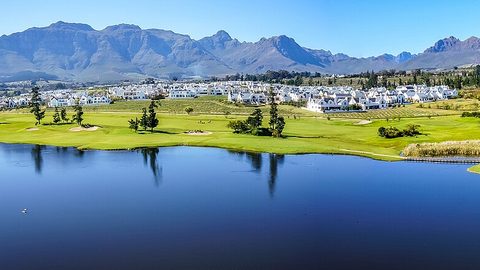
 Western Cape Hotels – From Vineyard Stays to Cliffside Guesthouses
Western Cape accommodation ranges from Winelands vineyard manors to clifftop guesthouses above the Whale Coast. Here is what your budget gets in each region.
Western Cape Hotels – From Vineyard Stays to Cliffside Guesthouses
Western Cape accommodation ranges from Winelands vineyard manors to clifftop guesthouses above the Whale Coast. Here is what your budget gets in each region.
-
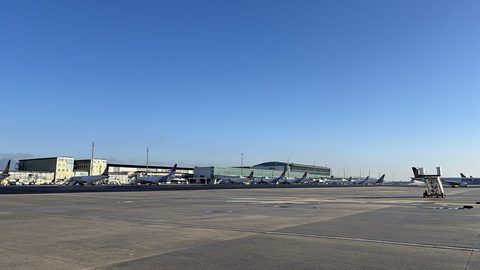 Flying Into Cape Town International and When Johannesburg Works
Flying into Cape Town International, what the airport transfer options are, and when Johannesburg or George Airport is the smarter entry point.
Flying Into Cape Town International and When Johannesburg Works
Flying into Cape Town International, what the airport transfer options are, and when Johannesburg or George Airport is the smarter entry point.
-
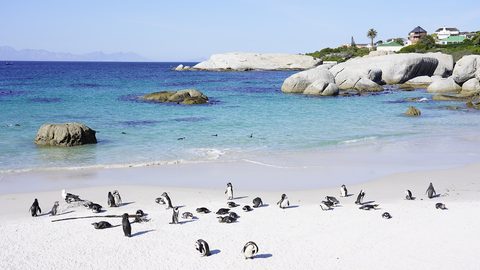 Things to Do in the Western Cape – Spending Limited Days Well
Not every Western Cape attraction earns its driving time. Here are the experiences that justify limited holiday days, from Table Mountain to the Knysna lagoon.
Things to Do in the Western Cape – Spending Limited Days Well
Not every Western Cape attraction earns its driving time. Here are the experiences that justify limited holiday days, from Table Mountain to the Knysna lagoon.
-
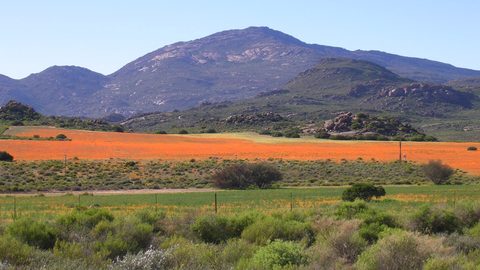 Best Time to Visit the Western Cape – Wind, Whales and Honest Months
The Western Cape's best month depends on your tolerance for wind, whales, or wildflowers. Here is an honest month-by-month breakdown, including when to avoid the coast entirely.
Best Time to Visit the Western Cape – Wind, Whales and Honest Months
The Western Cape's best month depends on your tolerance for wind, whales, or wildflowers. Here is an honest month-by-month breakdown, including when to avoid the coast entirely.
-
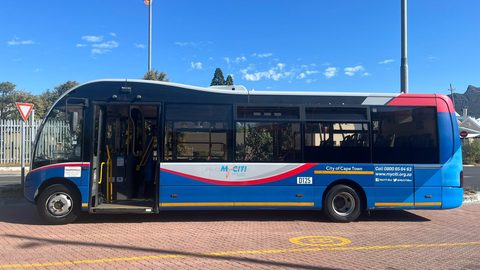 Getting Around the Western Cape – Airport Transfer and Why You Need a Car
Cape Town airport has a fast MyCiTi bus to the city, but beyond the City Bowl you will need a rental car. Here is why, and what Google Maps gets wrong about driving times.
Getting Around the Western Cape – Airport Transfer and Why You Need a Car
Cape Town airport has a fast MyCiTi bus to the city, but beyond the City Bowl you will need a rental car. Here is why, and what Google Maps gets wrong about driving times.
-
 Western Cape Itineraries That Leave Things Out on Purpose
Realistic Western Cape itineraries that cluster geographically, leave out the Garden Route on short trips, and build in weather buffers.
Western Cape Itineraries That Leave Things Out on Purpose
Realistic Western Cape itineraries that cluster geographically, leave out the Garden Route on short trips, and build in weather buffers.
-
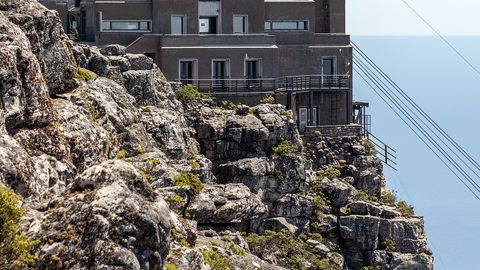 Table Mountain
The Table Mountain cableway closes on wind, often for days in summer. Plan with a live forecast, flexible tickets, and a backup day.
Table Mountain
The Table Mountain cableway closes on wind, often for days in summer. Plan with a live forecast, flexible tickets, and a backup day.
-
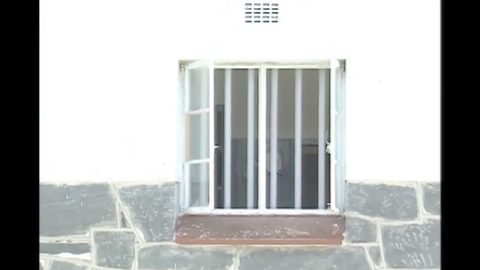 Robben Island
 ferry tickets sell out 2+ weeks ahead in peak season and still cancel for weather. Book early, keep the day flexible, know the refund policy.
Robben Island
Robben Island ferry tickets sell out 2+ weeks ahead in peak season and still cancel for weather. Book early, keep the day flexible, know the refund policy.
-
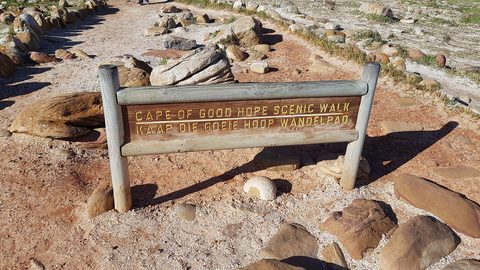 Cape Point
 is not the southernmost tip of Africa—Cape Agulhas is. Here is what Cape Point actually offers and why it is still worth the drive.
Cape Point
Cape Point is not the southernmost tip of Africa—Cape Agulhas is. Here is what Cape Point actually offers and why it is still worth the drive.