What Load Shedding Actually Means for a Western Cape Trip
What scheduled power cuts in the Western Cape actually mean for your trip, and how to plan around them.


What Load Shedding Actually Means for a Western Cape Trip
Scheduled power cuts hit the Western Cape two to four times a day, and they will affect your visit. Most visitors barely notice them if they plan around a single fact: treat the outage schedule like a weather forecast. Check it each morning and adjust your moves.
Load shedding is the national utility Eskom rotating controlled blackouts across the country to prevent the grid from collapsing. The system runs from Stage 1, with up to 4.5 hours without power per day, to Stage 8, with up to 15 hours. Cape Town residents often see one stage lower than the national stage, and some city areas are protected from outages up to Stage 4. Never assume protection. Assume the power will go off and plan accordingly.
Each outage block lasts two hours at Stages 1 through 4. Some blocks stretch to four hours at Stage 5 and above. A single cut can knock out your morning coffee, your navigation, and the restaurant you walked to for lunch. The solution is not to panic. Carry the right things and know what still works when the lights go out.
What Works, What Fails, and What You Must Carry
Kitchens, Hotels, and Hot Water
A gas kitchen keeps cooking. Restaurants with gas hobs, grills, and ovens serve full menus during load shedding. Those relying on electric fryers or induction tops will remove items from the menu or close. Ask before you book a table. Hotels and guesthouses with backup generators or solar battery systems run normally. Properties with gas water heating and gas cooking are fine. Confirm this at booking. If your accommodation lacks backup and you arrive during a Stage 4 day, you will sit in a dark room with cold water.
Paying for Things
Card machines depend on power. Fixed line machines go dead during outages unless the merchant has backup. Battery operated portable machines from Yoco, iKhokha, or SumUp work if they are charged. Carry cash in small denominations. R10, R20, R50, and R100 notes. Enough for a meal, fuel, and entry fees for a full day.
Getting Around
Traffic lights at major intersections in Cape Town have backup battery or generator power. Intersections without backup become four way stops by law. Drive slowly and treat every dark light as a stop sign. Petrol stations with generators pump fuel through outages. Those without cannot pump at all. Fill up when you see a working station, not when your gauge hits empty.
Staying Connected
Mobile towers have backup batteries, but those batteries drain during extended cuts. Signal degrades noticeably from Stage 4 upward. Download offline Google Maps or Maps.me for the entire Western Cape before you leave WiFi. The province has large dead zones in the Cederberg, Anysberg, and deep Langeberg folds. Offline maps are not optional.
Pack a power bank of at least 10,000 mAh. A universal travel adapter with USB ports. A small torch or headlamp. Charge everything every chance you get. Guesthouse rooms without power cannot charge your phone overnight.
How to Structure Your Day Around the Schedule
Check the App Every Morning
Download the EskomSePush app or the Loadshedding Notifier app on arrival. Enter your municipality and suburb. For Cape Town central, select City of Cape Town. The app shows your exact outage blocks for the next 24 to 48 hours. Check it each morning the way you check the wind forecast.
Out During the Cut
If your accommodation has power during the cut, stay put. If it does not, plan to be out during your outage block. Use the two or four hour window for a long drive, a hike, a wine tasting, or a beach visit. Pack a picnic and eat on the move. Restaurants in tourist areas with backup power will be busiest during peak outage hours. Book ahead or eat earlier or later than the block.
Cash and Connectivity
ATM machines go offline during load shedding. Withdraw cash in the morning before your first block hits. Many supermarkets and shops have backup power for card payments, but do not rely on it. A single dead machine in a small town can leave you stranded.
WiFi in guesthouses and cafes drops during outages unless the property has a UPS or generator. You will lose video calls and streaming. Download entertainment, work documents, and maps before the cut. Accept that some afternoons will be device free. The Western Cape rewards that anyway.
| Stage | Cuts Per Day | Total Outage | Block Length |
|---|---|---|---|
| Stage 1 | Up to 3 | Up to 4.5 hours | 2 hours |
| Stage 2 | Up to 3 | Up to 6 hours | 2 hours |
| Stage 3 | Up to 3 | Up to 7.5 hours | 2 hours |
| Stage 4 | Up to 4 | Up to 9 hours | 2 hours |
| Stage 5 | Up to 4 | Up to 10.5 hours | 2–4 hours |
| Stage 6 | Up to 4 | Up to 12 hours | 2–4 hours |
| Stage 7 | Up to 4 | Up to 13.5 hours | 2–4 hours |
| Stage 8 | Up to 5 | Up to 15 hours | 2–4 hours |
The Honest Caveat
No amount of planning can fix a Stage 6 day when your guesthouse generator fails, the nearest petrol station is dark, and your phone battery dies at 3pm. That scenario is rare, but it happens. The Western Cape is worth the inconvenience. Treat load shedding as part of the experience, not a dealbreaker. Pack as if the grid might vanish for an afternoon. It probably will not ruin your trip. But it might make you late for a wine tram booking, and you should be okay with that.
Read next
-

 Western Cape Hotels – From Vineyard Stays to Cliffside Guesthouses
Western Cape accommodation ranges from Winelands vineyard manors to clifftop guesthouses above the Whale Coast. Here is what your budget gets in each region.
Western Cape Hotels – From Vineyard Stays to Cliffside Guesthouses
Western Cape accommodation ranges from Winelands vineyard manors to clifftop guesthouses above the Whale Coast. Here is what your budget gets in each region.
-
 Where to Stay in the Western Cape – Which Town Matches Your Trip
Your choice of base town in the Western Cape shapes everything from driving times to wind exposure. Compare Cape Town, Stellenbosch, Hermanus, and Knysna side by side.
Where to Stay in the Western Cape – Which Town Matches Your Trip
Your choice of base town in the Western Cape shapes everything from driving times to wind exposure. Compare Cape Town, Stellenbosch, Hermanus, and Knysna side by side.
-
 Flying Into Cape Town International and When Johannesburg Works
Flying into Cape Town International, what the airport transfer options are, and when Johannesburg or George Airport is the smarter entry point.
Flying Into Cape Town International and When Johannesburg Works
Flying into Cape Town International, what the airport transfer options are, and when Johannesburg or George Airport is the smarter entry point.
-
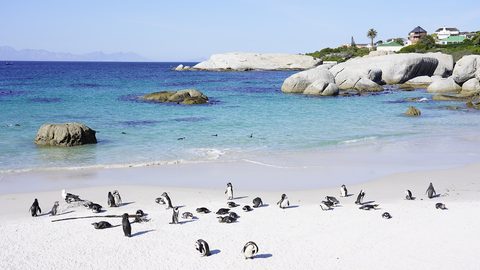 Things to Do in the Western Cape – Spending Limited Days Well
Not every Western Cape attraction earns its driving time. Here are the experiences that justify limited holiday days, from Table Mountain to the Knysna lagoon.
Things to Do in the Western Cape – Spending Limited Days Well
Not every Western Cape attraction earns its driving time. Here are the experiences that justify limited holiday days, from Table Mountain to the Knysna lagoon.
-
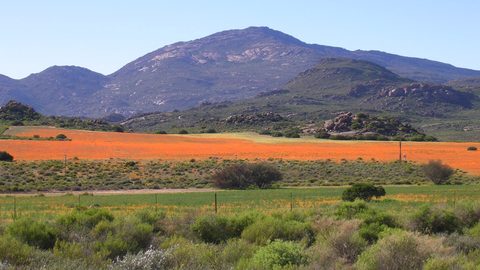 Best Time to Visit the Western Cape – Wind, Whales and Honest Months
The Western Cape's best month depends on your tolerance for wind, whales, or wildflowers. Here is an honest month-by-month breakdown, including when to avoid the coast entirely.
Best Time to Visit the Western Cape – Wind, Whales and Honest Months
The Western Cape's best month depends on your tolerance for wind, whales, or wildflowers. Here is an honest month-by-month breakdown, including when to avoid the coast entirely.
-
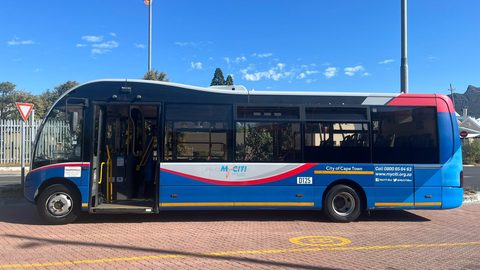 Getting Around the Western Cape – Airport Transfer and Why You Need a Car
Cape Town airport has a fast MyCiTi bus to the city, but beyond the City Bowl you will need a rental car. Here is why, and what Google Maps gets wrong about driving times.
Getting Around the Western Cape – Airport Transfer and Why You Need a Car
Cape Town airport has a fast MyCiTi bus to the city, but beyond the City Bowl you will need a rental car. Here is why, and what Google Maps gets wrong about driving times.
-
 Table Mountain
The Table Mountain cableway closes on wind, often for days in summer. Plan with a live forecast, flexible tickets, and a backup day.
Table Mountain
The Table Mountain cableway closes on wind, often for days in summer. Plan with a live forecast, flexible tickets, and a backup day.
-
 Robben Island
 ferry tickets sell out 2+ weeks ahead in peak season and still cancel for weather. Book early, keep the day flexible, know the refund policy.
Robben Island
Robben Island ferry tickets sell out 2+ weeks ahead in peak season and still cancel for weather. Book early, keep the day flexible, know the refund policy.
-
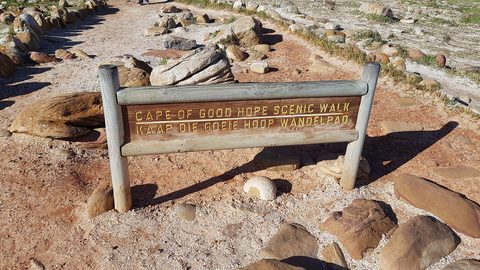 Cape Point
 is not the southernmost tip of Africa—Cape Agulhas is. Here is what Cape Point actually offers and why it is still worth the drive.
Cape Point
Cape Point is not the southernmost tip of Africa—Cape Agulhas is. Here is what Cape Point actually offers and why it is still worth the drive.