Cape Peninsula With a Toddler Which Stops Survive a Short Attention Span
A practical guide to Cape Peninsula With a Toddler Which Stops Survive a Short Attention Span.

Planning a Toddler-Friendly Cape Peninsula Drive
The Cape Peninsula loop is one of the Western Cape's most celebrated drives, but doing it with a toddler rewrites the rulebook. A short attention span, sudden hunger, and an aversion to long car stretches mean the standard itinerary needs serious editing. The good news is that the route is naturally broken into manageable segments, and with the right stops you can build a day that feels more like a series of small adventures than a marathon drive.
the guidance focuses on stops that work for very young children: places where you can get out and move without committing to a long hike, spots with shade and grass, and attractions where the experience is immediate rather than something you need to wait for. Every recommendation is based on what the official operators say about their facilities, not on assumptions about how a toddler might react. The decisions about timing, pacing, and which stops to skip will be yours, but the facts here give you a reliable foundation for making those calls.
Chapman’s Peak Drive as the Opening Act
The 9 km toll road between Hout Bay and Noordhoek is one of the most dramatic stretches of coastal road you will find anywhere. With 114 bends and designated pull-over viewpoints equipped with picnic tables, it offers exactly what a toddler-friendly drive needs: frequent, legitimate reasons to stop. Rather than treating it as a through-route, think of it as a series of short scenic breaks. You can pull over at a viewpoint, let your child out of the car seat for a few minutes, have a snack at a picnic table, and take in the view before continuing.
The standard light-vehicle toll is charged per entry in each direction, and the rate is adjusted annually, usually effective from 1 July. Before you travel, confirm the current tariff on the official Chapman's Peak Drive website. The road closes temporarily during high winds, heavy rain, or when there is a rockfall risk, so checking the live status on the day of travel is essential. A closed road mid-morning can force a reroute via Ou Kaapse Weg, which adds driving time and removes the pull-over stops you were counting on.
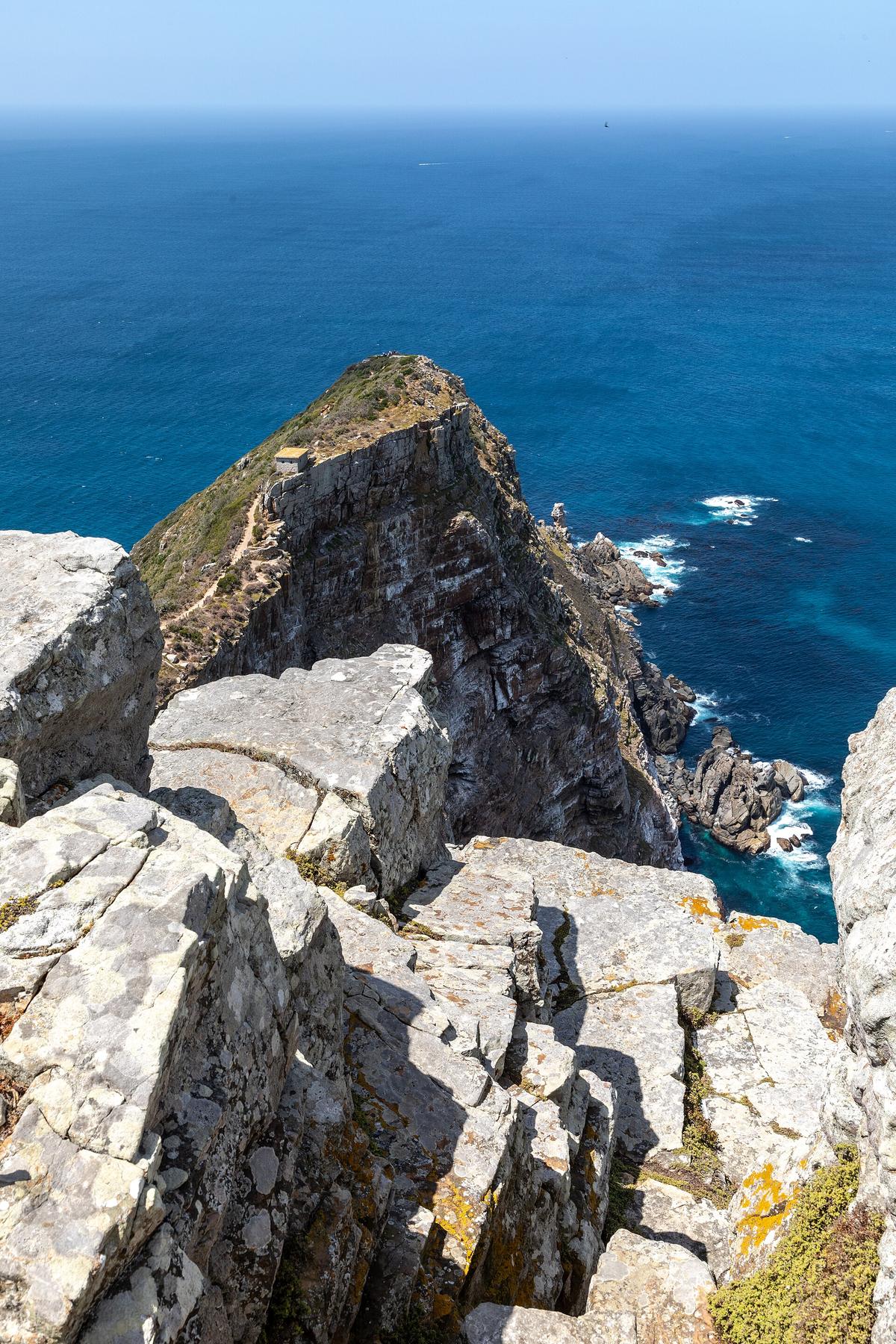
Cape Point With a Toddler Who Will Not Hike
Cape Point is the headline act of the peninsula, but the classic visitor experience involves a steep uphill walk from the car park to the old lighthouse. The path is paved, which helps, but it remains steep. For a toddler who will not tolerate being carried for long and is too young to walk the climb independently, the Flying Dutchman Funicular is the practical alternative. It runs from 09:00 to 17:30 between October and March, and from 09:00 to 17:00 between April and September. Children under 6 ride free, while children aged 6 to 16 pay a reduced fare. The funicular may close for scheduled maintenance, so confirm its operational status on the Cape Point official visitor site before you go.
The main gate to the Cape of Good Hope section of Table Mountain National Park opens at 06:00 from October to March and 07:00 from April to September, closing at 18:00 and 17:00 respectively. All vehicles must exit by sunset. Conservation fees apply and increase annually on 1 November. International visitors and South African residents pay different rates, with residents needing to present ID for the reduced fee. The gates are cash-free, accepting only debit and credit card payments. Check the current fees on the SANParks Table Mountain National Park rates page before your visit.
Buffels Bay for a Long Midday Break
Inside the Cape of Good Hope reserve, Buffels Bay is the stop most likely to give you a relaxed hour or two with a toddler. It has a tidal pool, grassy picnic lawns, and braai facilities, making it a natural choice for a family lunch stop where a child can move around freely. The grass provides a soft surface for unsteady walkers, and the tidal pool offers shallow water play without the unpredictability of open surf.
One important caution comes directly from the official site: baboons are present in the area, and all food must be secured. This is not a casual warning. A baboon approaching your picnic is a genuine risk, and with a small child in tow the safest approach is to keep food packed away except when actively eating, and to stay close to your child whenever food is out. If the idea of managing this feels stressful, you may prefer to eat at the Two Oceans Restaurant instead and use Buffels Bay purely for play.
The Two Oceans Restaurant as a Fallback
The only sit-down restaurant inside the Cape Point reserve is the Two Oceans Restaurant, which serves lunch daily from 11:00 to 17:30 in the summer months and 11:00 to 17:00 in the winter months. For a family with a toddler, a proper restaurant means high chairs are more likely to be available, you have shelter from sun or wind, and you avoid the baboon management challenge that comes with a picnic at Buffels Bay.
The trade-off is that a sit-down meal takes longer and requires a toddler to stay seated, which may or may not work depending on your child's temperament on the day. One approach is to plan a short play stop at Buffels Bay first, then head to the restaurant for lunch when your child is already tired and more inclined to sit. Alternatively, if your toddler naps after eating, a restaurant lunch can be the bridge to a peaceful afternoon drive.
Boulders Beach Penguins Without the Long Walk
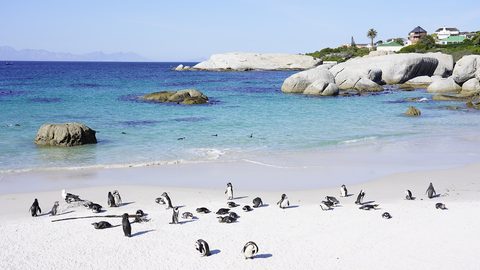
The penguin colony at Boulders Beach is one of the few wildlife experiences where a toddler can see animals at close range without needing patience or silence. The Foxy Beach boardwalk, managed by SANParks as part of Table Mountain National Park, keeps visitors at a safe viewing distance from the penguins while providing an easy, stroller-friendly surface. There is no long approach walk, and the penguins are visible immediately from the boardwalk, which suits a short attention span perfectly.
Conservation fees apply and increase annually on 1 November. International visitors and South African residents pay different rates, with the resident rate requiring ID. The gates are cash-free, accepting only card payments. Gate hours vary seasonally: December and January have the longest hours, from 07:00 to 19:30, while April through September operate from 08:00 to 17:00. February, March, October, and November fall in between, from 08:00 to 18:30. Confirm the current season's hours on the SANParks Table Mountain National Park entrance gates page before you set out.
Building a Realistic Itinerary
With the facts above, you can assemble a day that works for your child's rhythms rather than fighting them. A suggested structure is to start with Chapman's Peak Drive in the morning, using its viewpoints as early stops before your toddler gets restless. Arrive at Cape Point by late morning, use the funicular to reach the lighthouse area without the climb, and then decide between a picnic at Buffels Bay or lunch at the Two Oceans Restaurant depending on your comfort with the baboon situation and your child's mood. Boulders Beach works well as an afternoon stop on the return journey, when the penguins are still active and the boardwalk gives your toddler one last chance to move before the final drive.
Before you leave, check four things on the official websites: the Chapman's Peak Drive toll tariff and live status, the SANParks conservation fees for both Cape Point and Boulders, the seasonal gate hours for both sites, and the Flying Dutchman Funicular operational status. All of these change periodically, and none should be assumed from a previous visit or a third-party summary. The official operators are Chapman's Peak Drive for the toll road, SANParks for Boulders Beach and the Cape Point gate and conservation fees, and the Cape Point official visitor site for the funicular and restaurant.
Sources and verification
- chapmanspeakdrive.co.za — Research source checked for this guide
- capepoint.co.za — Research source checked for this guide
- capepoint.co.za — Research source checked for this guide
- sanparks.org — Research source checked for this guide
- sanparks.org — Research source checked for this guide
- sanparks.org — Research source checked for this guide
Read next
-
 Western Cape Hotels – From Vineyard Stays to Cliffside Guesthouses
Western Cape accommodation ranges from Winelands vineyard manors to clifftop guesthouses above the Whale Coast. Here is what your budget gets in each region.
-
 Where to Stay in the Western Cape – Which Town Matches Your Trip
Your choice of base town in the Western Cape shapes everything from driving times to wind exposure. Compare Cape Town, Stellenbosch, Hermanus, and Knysna side by side.
-
 Flying Into Cape Town International and When Johannesburg Works
Flying into Cape Town International, what the airport transfer options are, and when Johannesburg or George Airport is the smarter entry point.
-
 Things to Do in the Western Cape – Spending Limited Days Well
Not every Western Cape attraction earns its driving time. Here are the experiences that justify limited holiday days, from Table Mountain to the Knysna lagoon.
-
 Best Time to Visit the Western Cape – Wind, Whales and Honest Months
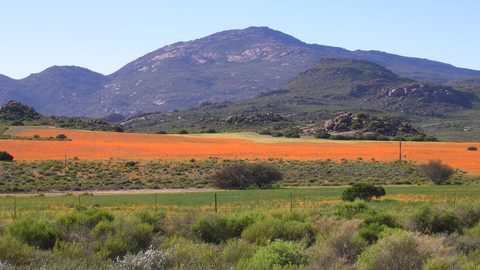
The Western Cape's best month depends on your tolerance for wind, whales, or wildflowers. Here is an honest month-by-month breakdown, including when to avoid the coast entirely.
-
 Getting Around the Western Cape – Airport Transfer and Why You Need a Car
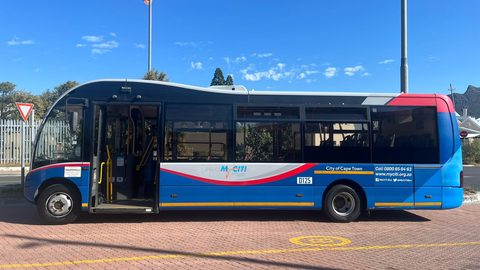
Cape Town airport has a fast MyCiTi bus to the city, but beyond the City Bowl you will need a rental car. Here is why, and what Google Maps gets wrong about driving times.
-
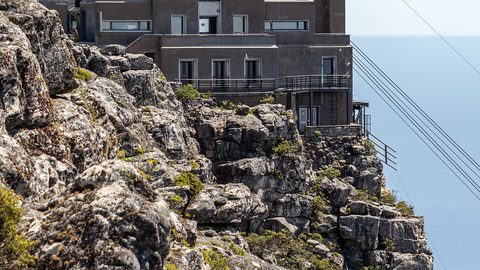 Table Mountain
The Table Mountain cableway closes on wind, often for days in summer. Plan with a live forecast, flexible tickets, and a backup day.
-
 Robben Island
 ferry tickets sell out 2+ weeks ahead in peak season and still cancel for weather. Book early, keep the day flexible, know the refund policy.
-
 Cape Point
 is not the southernmost tip of Africa—Cape Agulhas is. Here is what Cape Point actually offers and why it is still worth the drive.