Cape Town Indoor Day When a Cold Front Kills the Mountain Plans
A practical guide to Cape Town Indoor Day When a Cold Front Kills the Mountain Plans.
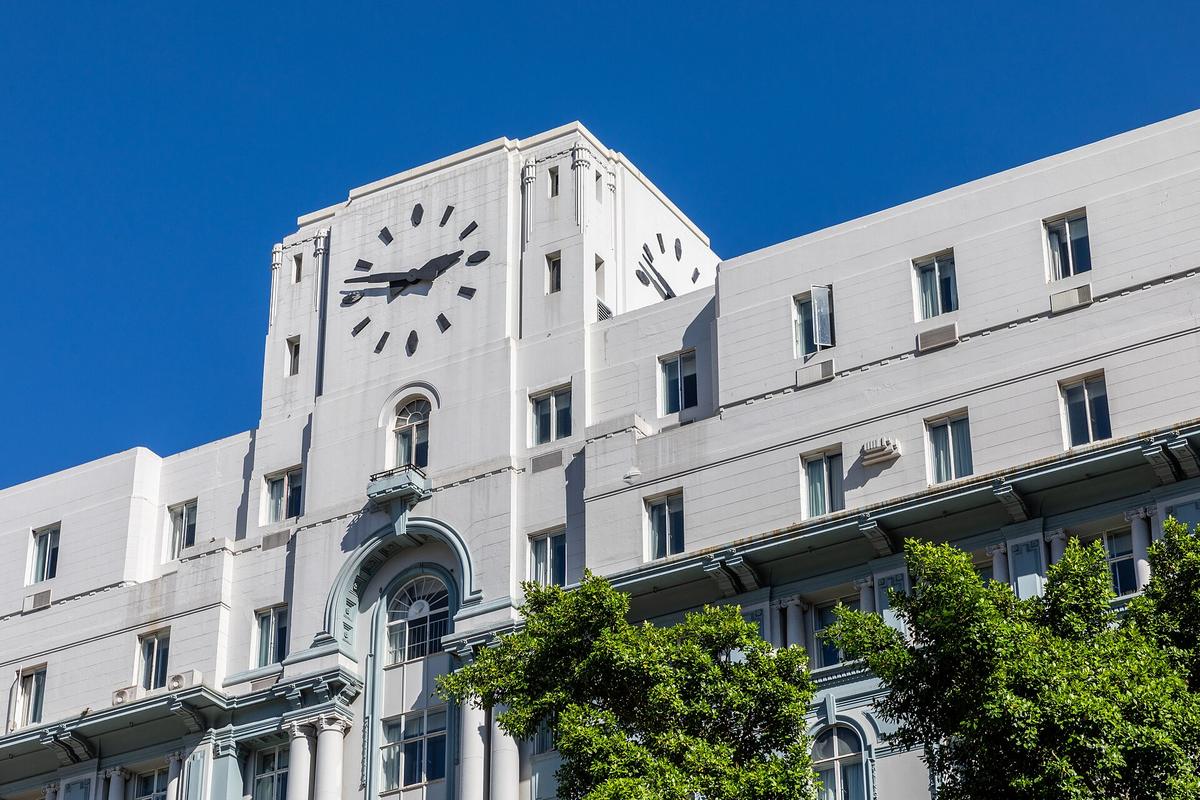

When the mountain disappears
A Cape Town winter cold front does not whisper. It barrels across the Atlantic, wraps Table Mountain in grey and turns the city into a horizontal rain chamber. The cableway stops. The trails become slick and dangerous. The panoramic drive along Chapman’s Peak feels pointless when the ocean and sky merge into a single white sheet. You booked this trip for the outdoor postcard, and now the postcard is blank.
This is not a travel failure. It is a seasonal reality that Cape Town residents have navigated for generations. The winter rainy season runs from June to August, with June averaging 94.1 mm of rainfall across roughly ten rain days, July 89.0 mm across nine days, and August 82.5 mm across ten days. Daytime highs sit at a mild 16 to 17°C, while July nights dip to an average low of 9.4°C. The critical detail for any visitor is that a cold front typically passes in one to two days, leaving clear, dry conditions behind it. The mountain will return. The question is what to do while you wait.
Cape Town has built an entire indoor city for exactly this moment. Museums housed in repurposed grain silos, aquariums open every day of the year, planetarium domes tucked into historic gardens, and a shopping and dining precinct so large it has its own indoor craft market. The following sections map out a practical, weatherproof day that does not depend on a single break in the clouds.
Start with a flexible mountain strategy
Before abandoning Table Mountain entirely, understand how the cableway handles bad weather. The Table Mountain Aerial Cableway suspends operations in adverse weather, specifically strong winds or poor visibility, and does so without advance notice. The operator publishes live operating status on its website homepage and social media channels each morning. This is the first thing to check before you write off the day.
A practical advantage is built into the ticketing system. Online Table Mountain Cableway tickets are valid for seven days from the booked date, allowing visitors to reschedule if the cableway closes due to weather. This means you can book ahead without financial risk, then pivot to an indoor plan the moment the status banner shows red. At the time of writing, online return tickets cost R475 per adult and R230 per child aged 4 to 17, while ticket-office return rates are R530 per adult and R270 per child. These prices are set for a specific validity period and the operator reserves the right to change both fares and operating hours without prior notice. Confirm current pricing directly on the official website before purchasing.
Editorial recommendation: book online even if the forecast looks grim. The seven-day validity window turns a weather closure from a cancellation into a postponement. If the mountain stays closed for your entire stay, you have lost nothing but the time spent checking the morning status update.
The V&A Waterfront as a weather shelter
The V&A Waterfront is open every day of the year including public holidays, with no access fee. It houses more than 450 retail outlets, over 100 restaurants and cafés, and several indoor attractions that can fill an entire rainy day without stepping outside for more than a few seconds between buildings. This is not a mall in the suburban sense. It is a working harbour precinct where the indoor spaces are large enough to lose half a day in a single museum or aquarium.
Two anchor attractions sit within the Waterfront. The Two Oceans Aquarium is open every day of the year, Monday to Friday from 09:30 to 18:00 and weekends and public holidays from 09:00 to 18:00. Adult day tickets cost R280, children aged 4 to 13 cost R130, and children under 4 enter free. The Zeitz Museum of Contemporary Art Africa, housed in a converted grain silo, is open Monday to Sunday from 10:00 to 18:00 with last entry at 17:30. General admission is R350 per adult, and children under 18 enter free. On Wednesdays between 10:00 and 13:00, Zeitz MOCAA offers free entry for all African citizens presenting a valid South African ID or African passport.
Both attractions are large enough to spend two to three hours inside. The aquarium offers a calm, climate-controlled environment with exhibits that do not depend on daylight. The museum provides a contemporary art experience in a building that is itself a architectural draw. Admission fees and opening hours for both venues are subject to change, so confirm directly with each before visiting.
A third indoor option within the Waterfront is the Watershed, an indoor craft market that does not require a ticket. It sits alongside the aquarium and museum, making it a natural third stop if you are moving between the two larger attractions.
Company’s Gardens and the Iziko museums
A short walk or drive from the Waterfront, the Company’s Gardens offer a cluster of indoor institutions that work well as a morning or afternoon block. The Iziko Planetarium and Digital Dome is open Tuesday to Sunday and closed on Mondays for research. Local admission costs R100 per adult and R60 per child aged 5 to 17, with shows running on a published public schedule. The planetarium is a domed theatre experience, meaning it is entirely unaffected by outdoor weather.
Adjacent to the planetarium, the Iziko South African Museum operates on winter hours: Monday to Friday from 09:00 to 17:00 and weekends from 08:30 to 16:00. Local admission costs R60 per adult and R40 per child aged 5 to 17. The museum covers natural history, archaeology and ethnography, and its proximity to the planetarium makes it practical to visit both in a single stretch. Confirm current hours and fees on the Iziko Museums website before setting out, as both are mutable details.
Norval Foundation for a quieter art experience
If the Waterfront feels too busy on a wet day, the Norval Foundation in Tokai offers a more contained alternative. It is open Wednesday to Saturday from 10:00 to 17:00 and Sundays and public holidays from 10:00 to 16:00, and is closed on Mondays and Tuesdays. Day-pass admission is R220 for African nationals and R330 for international visitors. The foundation combines gallery spaces with a sculpture garden, though the garden is less appealing in heavy rain. The indoor galleries, however, provide a focused art experience in the Constantia valley, away from the city-centre crowds.
This is a tradeoff. The Norval Foundation requires a dedicated trip to the southern suburbs, whereas the Waterfront and Company’s Gardens cluster within a compact central zone. If you have a car and prefer a quieter setting, Norval is a strong candidate. If you are relying on rideshares or want to minimise travel between stops, the central cluster is more efficient. Check opening days carefully: arriving on a Monday or Tuesday means finding a locked door.
Structuring a full indoor day
A practical itinerary depends on the day of the week. On a Wednesday, the Zeitz MOCAA free-entry window from 10:00 to 13:00 for African citizens makes a morning at the Waterfront particularly good value. You could start at the aquarium when it opens at 09:30, spend two hours there, then walk to Zeitz MOCAA for the free window, followed by lunch at one of the Waterfront restaurants and a browse through the Watershed market.
On a Tuesday, the planetarium is open but Norval Foundation is closed, making the Company’s Gardens and Waterfront combination the natural choice. On a Monday, both the planetarium and Norval Foundation are closed, which concentrates your options at the Waterfront and the Iziko South African Museum. The aquarium and Zeitz MOCAA are open every day, making them the most reliable anchors regardless of when the cold front hits.
Editorial recommendation: treat the Waterfront as your default base camp on a storm day. It has the highest concentration of all-weather, every-day attractions, plus food and shelter in abundance. Branch out to the Company’s Gardens or Norval Foundation only when the day-of-week logic supports it and the rain is light enough to make the transfer comfortable.
What changes when the front passes
A Cape Town winter cold front typically lasts one to two days. When it clears, the city emerges washed and sharp, with visibility that can be better than the hazy summer months. This is when the seven-day cableway ticket becomes useful. Check the live operating status on the Table Mountain Aerial Cableway website first thing in the morning. If the banner shows green, go immediately. the guidance-front clarity is some of the best mountain viewing of the year.
The indoor day described here is not a consolation prize. It is a legitimate way to experience Cape Town that many summer visitors skip in favour of beaches and hikes. The museums, aquarium and galleries are not backup plans for locals; they are year-round institutions. A cold front simply makes the choice for you.
Sources and verification
- capetowncityguide.com — Research source checked for this guide
- tablemountain.net — Research source checked for this guide
- tablemountain.net — Research source checked for this guide
- zeitzmocaa.museum — Research source checked for this guide
- aquarium.co.za — Research source checked for this guide
- iziko.org.za — Research source checked for this guide
Read next
-
 Western Cape Hotels – From Vineyard Stays to Cliffside Guesthouses
Western Cape accommodation ranges from Winelands vineyard manors to clifftop guesthouses above the Whale Coast. Here is what your budget gets in each region.
-
 Where to Stay in the Western Cape – Which Town Matches Your Trip
Your choice of base town in the Western Cape shapes everything from driving times to wind exposure. Compare Cape Town, Stellenbosch, Hermanus, and Knysna side by side.
-
 Flying Into Cape Town International and When Johannesburg Works
Flying into Cape Town International, what the airport transfer options are, and when Johannesburg or George Airport is the smarter entry point.
-
 Things to Do in the Western Cape – Spending Limited Days Well
Not every Western Cape attraction earns its driving time. Here are the experiences that justify limited holiday days, from Table Mountain to the Knysna lagoon.
-
 Best Time to Visit the Western Cape – Wind, Whales and Honest Months
The Western Cape's best month depends on your tolerance for wind, whales, or wildflowers. Here is an honest month-by-month breakdown, including when to avoid the coast entirely.
-
 Getting Around the Western Cape – Airport Transfer and Why You Need a Car
Cape Town airport has a fast MyCiTi bus to the city, but beyond the City Bowl you will need a rental car. Here is why, and what Google Maps gets wrong about driving times.
-
 Table Mountain
The Table Mountain cableway closes on wind, often for days in summer. Plan with a live forecast, flexible tickets, and a backup day.
-
 Robben Island
 ferry tickets sell out 2+ weeks ahead in peak season and still cancel for weather. Book early, keep the day flexible, know the refund policy.
-
 Cape Point
 is not the southernmost tip of Africa—Cape Agulhas is. Here is what Cape Point actually offers and why it is still worth the drive.